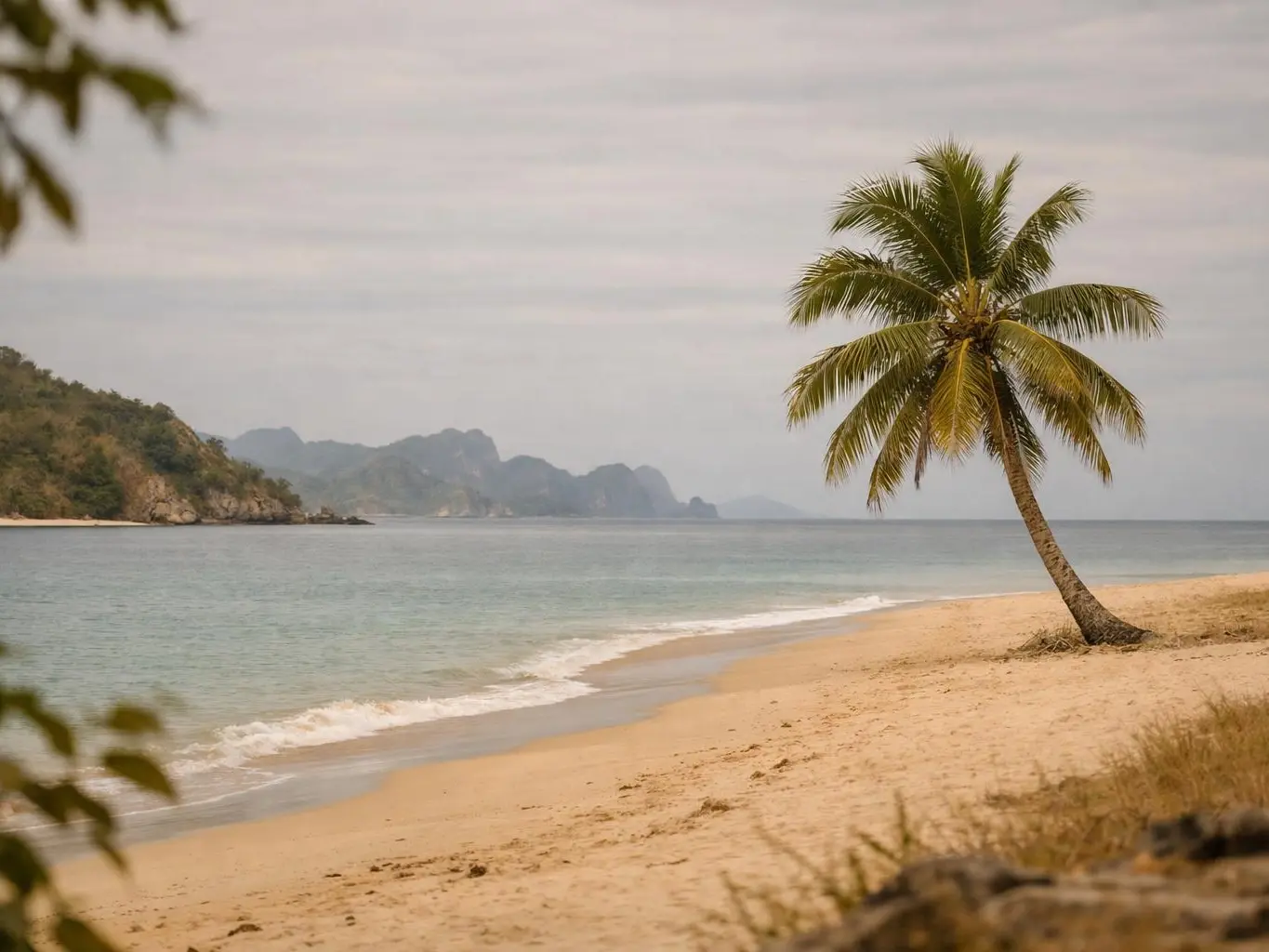
Color grading is the process of adjusting and enhancing the color, contrast. And overall visual tone of film or video footage in post-production. Color grading refines raw footage to achieve a consistent look, evoke emotions.
Term
Color grading
Category
Process
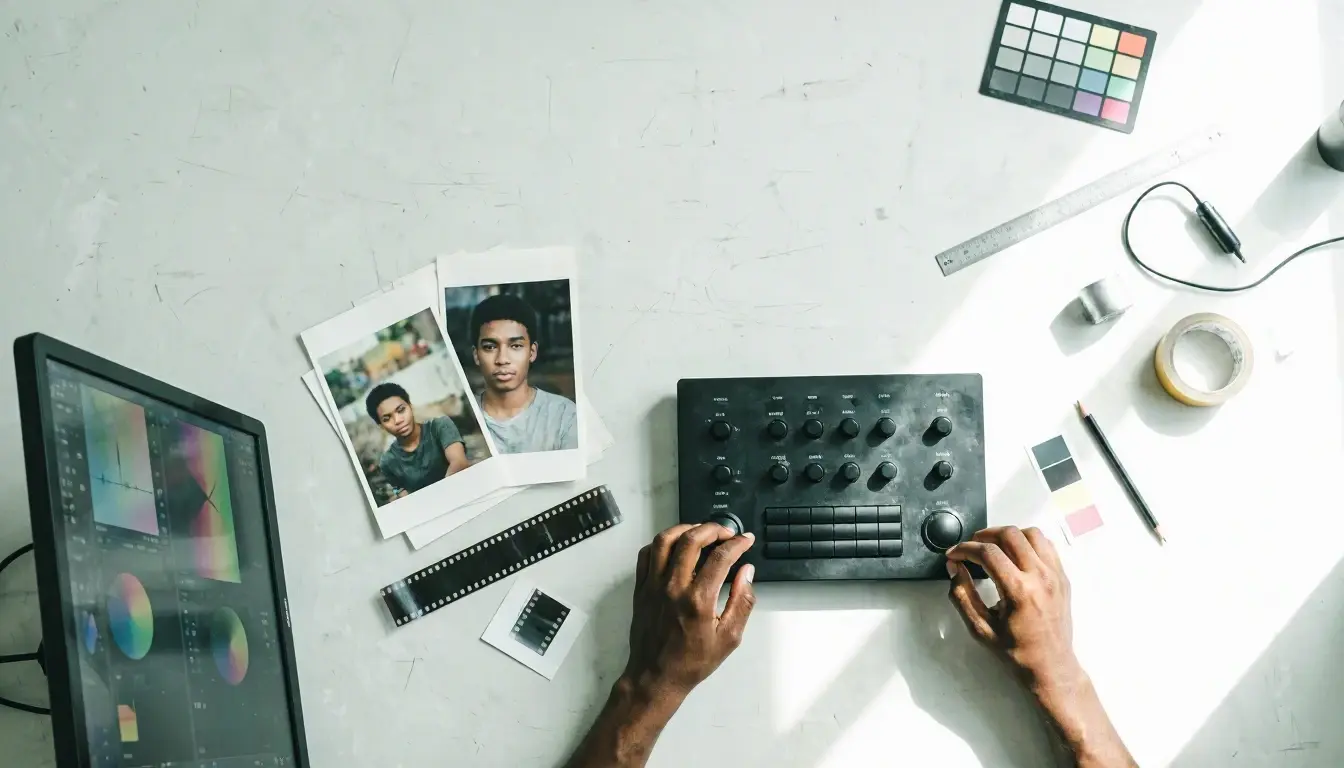
Color grading is a key step in making films and videos. It happens after filming. The raw footage gets refined to create a certain look or mood.
Grading adjusts colors, contrast, brightness. And saturation. This keeps scenes looking consistent. It works even if shots were filmed at different times or under different lights.
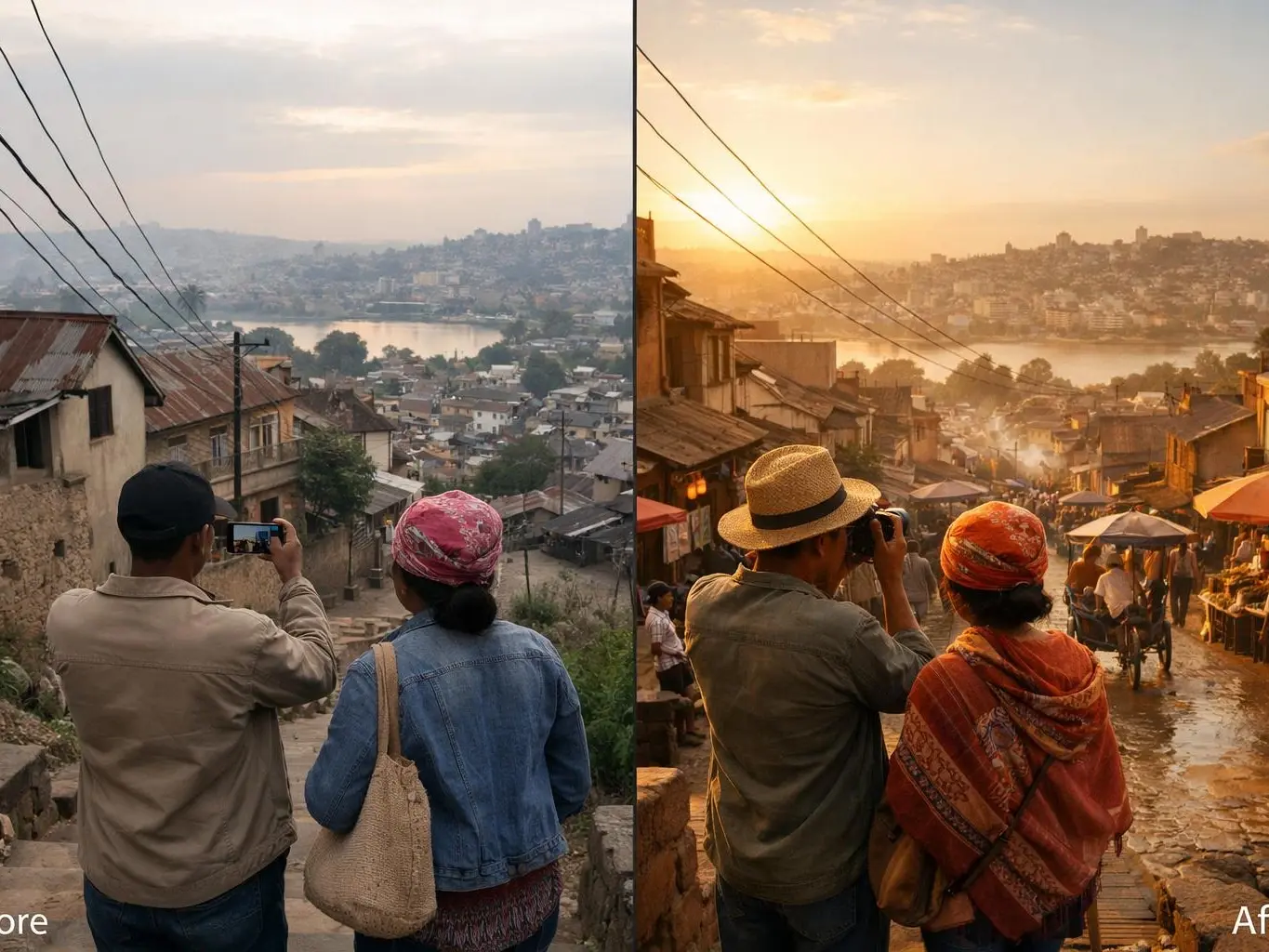
For example, a dawn scene might need grading. This makes it match a sunset scene with warmer tones.
Color grading isn't just about fixing mistakes. It's a creative tool. Filmmakers use it to show emotions, set the tone. Or create a unique style.
A horror film might use cool, dull colors to feel unsettling. A romantic comedy might use warm, bright colors to feel happy.
Graders need both skill and artistry. They balance realism with creativity. This keeps footage looking natural, not overdone.
Color grading usually starts after editing a rough cut. Graders use special software. Popular tools include DaVinci Resolve, Adobe Premiere Pro. And Final Cut Pro.
These programs have color wheels, curves. And scopes. Scopes like waveforms help analyze and adjust images.
The first step is color correction. Graders fix exposure, white balance. And color imbalances. This creates a neutral starting point.
They make sure skin tones look natural. Shadows, midtones. And highlights get balanced too.
After correction, graders move to creative grading. They apply stylistic choices. For drama, they might boost contrast.
They can add a teal-and-orange look for a cinematic feel. Or use split-toning to color shadows and highlights differently.
Graders may use masks to adjust parts of the frame. They can brighten a face or darken a background. The goal is a cohesive look that supports the story.
It guides viewers' eyes to what matters most in each shot.
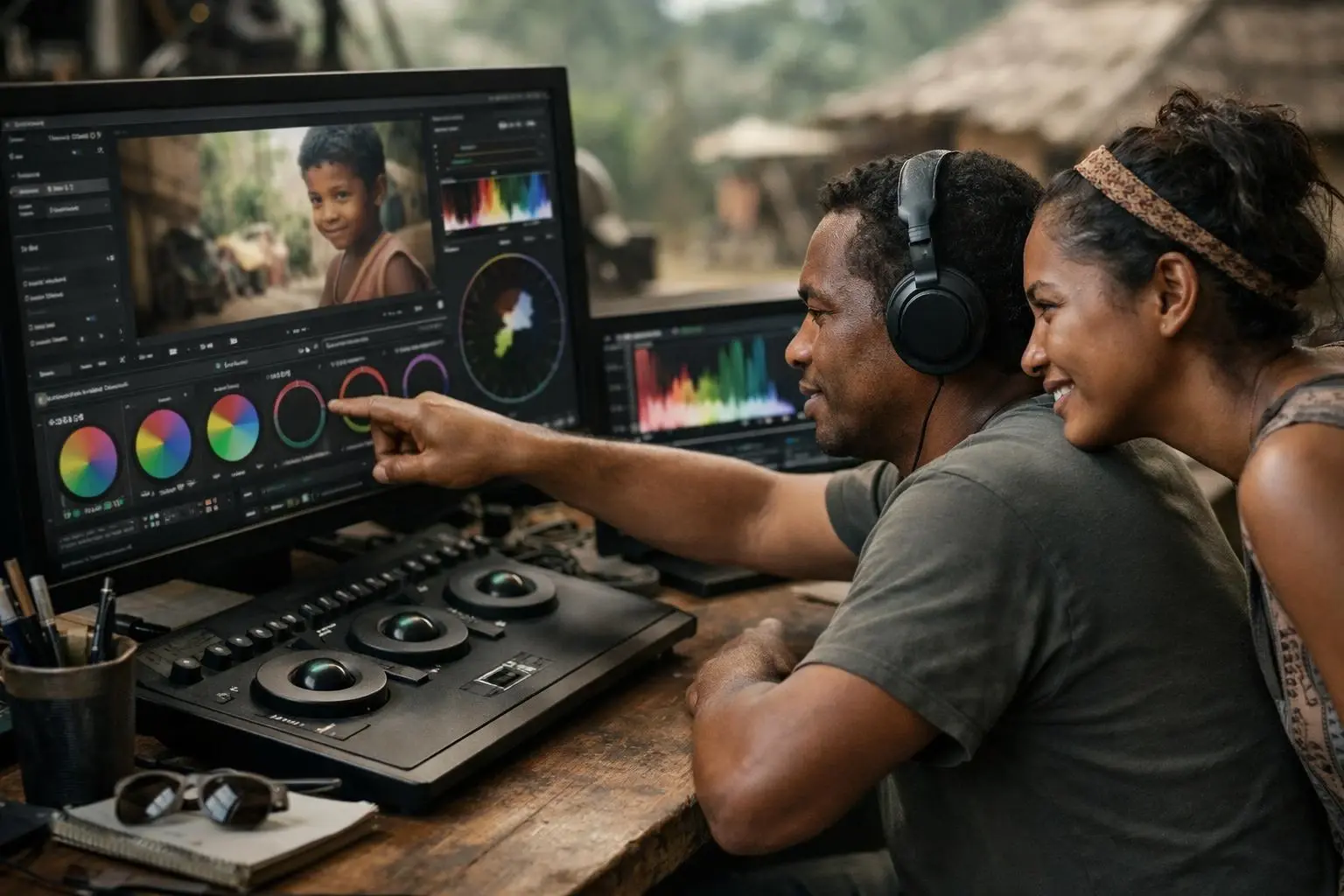
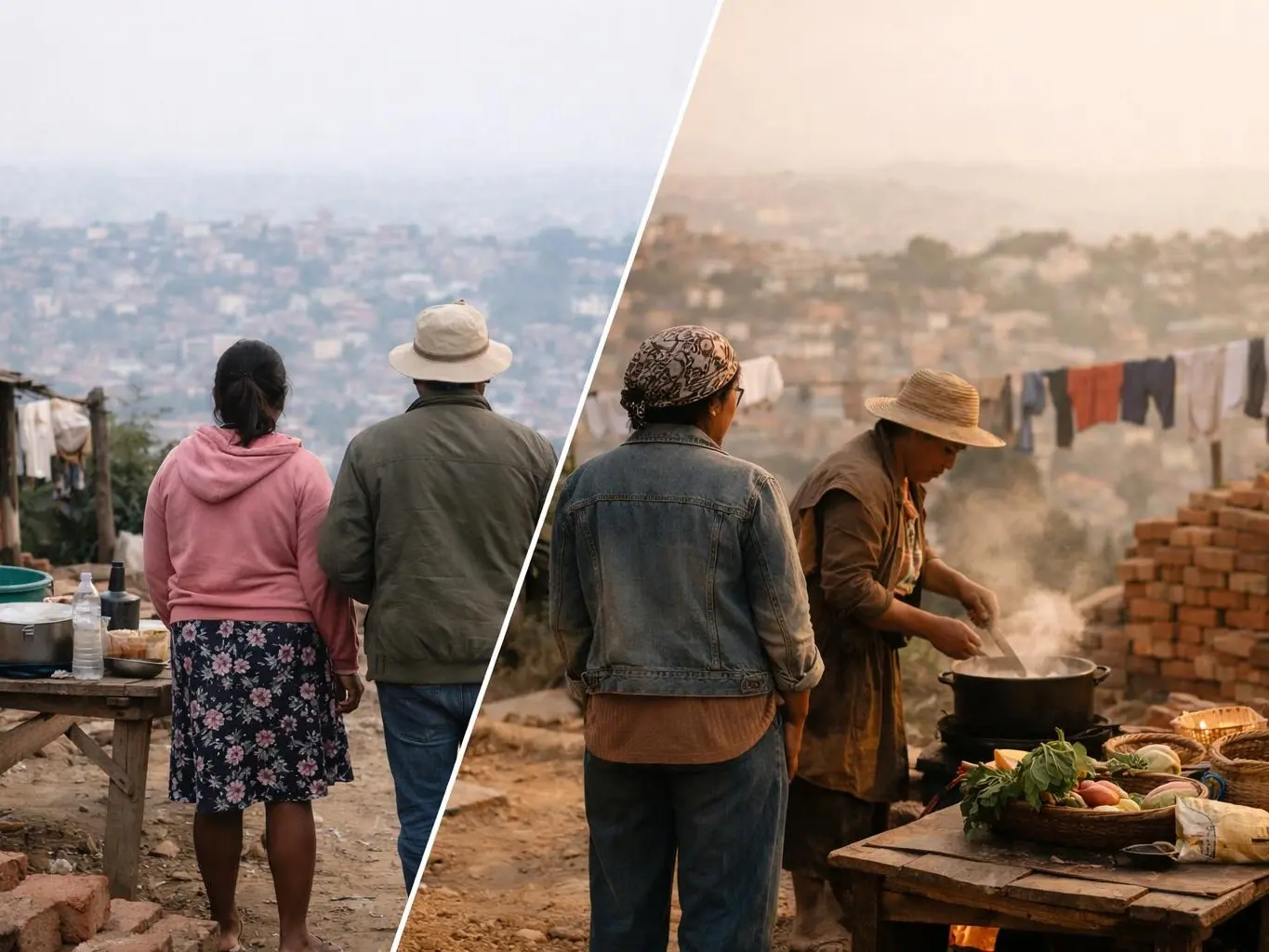
Color grading greatly affects a film or video's final quality. Without it, footage can look flat or inconsistent.
Poor grading can make a project seem unprofessional. It might distract viewers from the story.
Good grading makes scenes more immersive. It helps viewers feel the emotions. A well-graded documentary pulls viewers into the subject.
A poorly graded film might feel confusing or hard to follow.
Grading keeps a project consistent. This matters when scenes are shot under different conditions.
For example, indoor scenes might clash with outdoor ones. Grading makes them blend together.
It can also fix small issues like overexposure. This saves time and money. Reshoots aren't always needed.
Color grading matters most in visual storytelling. This includes films, commercials. And music videos.
It helps create a unique look. This sets a project apart. A brand ad might use bright colors to feel energetic.
A dramatic film might use muted tones to feel somber. Even corporate videos benefit from grading.
It makes footage look polished and professional.
Grading is key in tough shooting conditions. This includes low light or mixed lighting.
It can save footage that might otherwise be unusable. For example, a cloudy scene can look like golden hour.
A night scene can be darkened to boost the mood. Grading also helps with multiple cameras.
It unifies footage shot on different devices for a smooth final product.
Color grading is as much about storytelling as it is about technical precision. A skilled grader knows when to push colors for emotional impact and when to hold back to maintain realism—balancing art and science is key.
In a Madagascar-based wildlife documentary, color grading was used to enhance the lush greens of the rainforest and the warm golden tones of the savanna. The grader also adjusted the contrast to ensure details in both shadowy undergrowth and bright midday sun remained visible, creating a cohesive look that supported the film’s narrative.
PRO FIXERS MADAGASCAR
Contact PRO FIXERS MADAGASCAR for practical guidance on Color grading and related film production madagascar work in Madagascar.