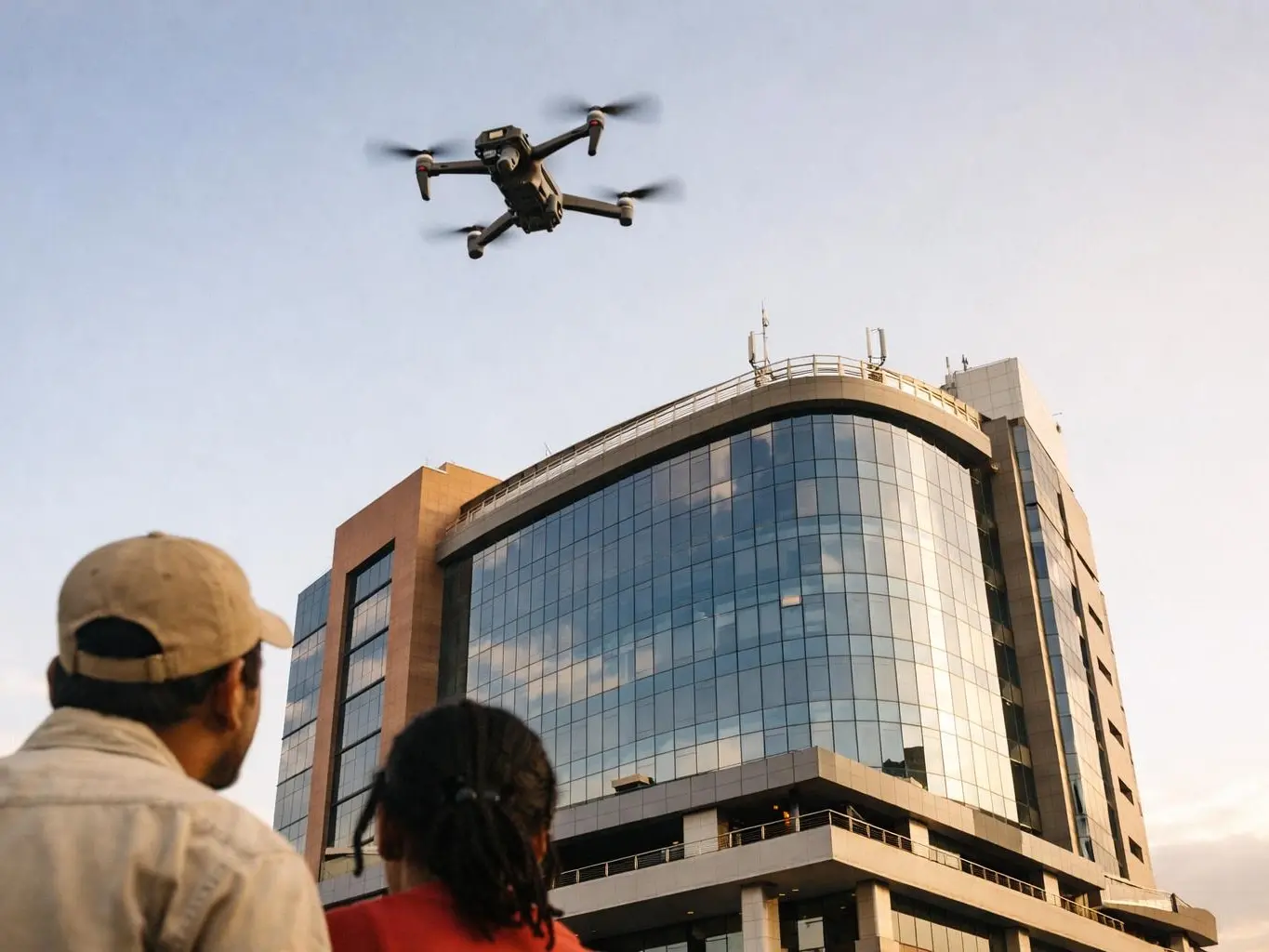
Commercial filming permit is commercial filming permits are official authorizations issued by government or local authorities allowing professional film crews to record video, photography. Or sound for paid projects in regulated areas. These permits ensure legal compliance, public safety.
Term
Commercial filming permit
Category
Process
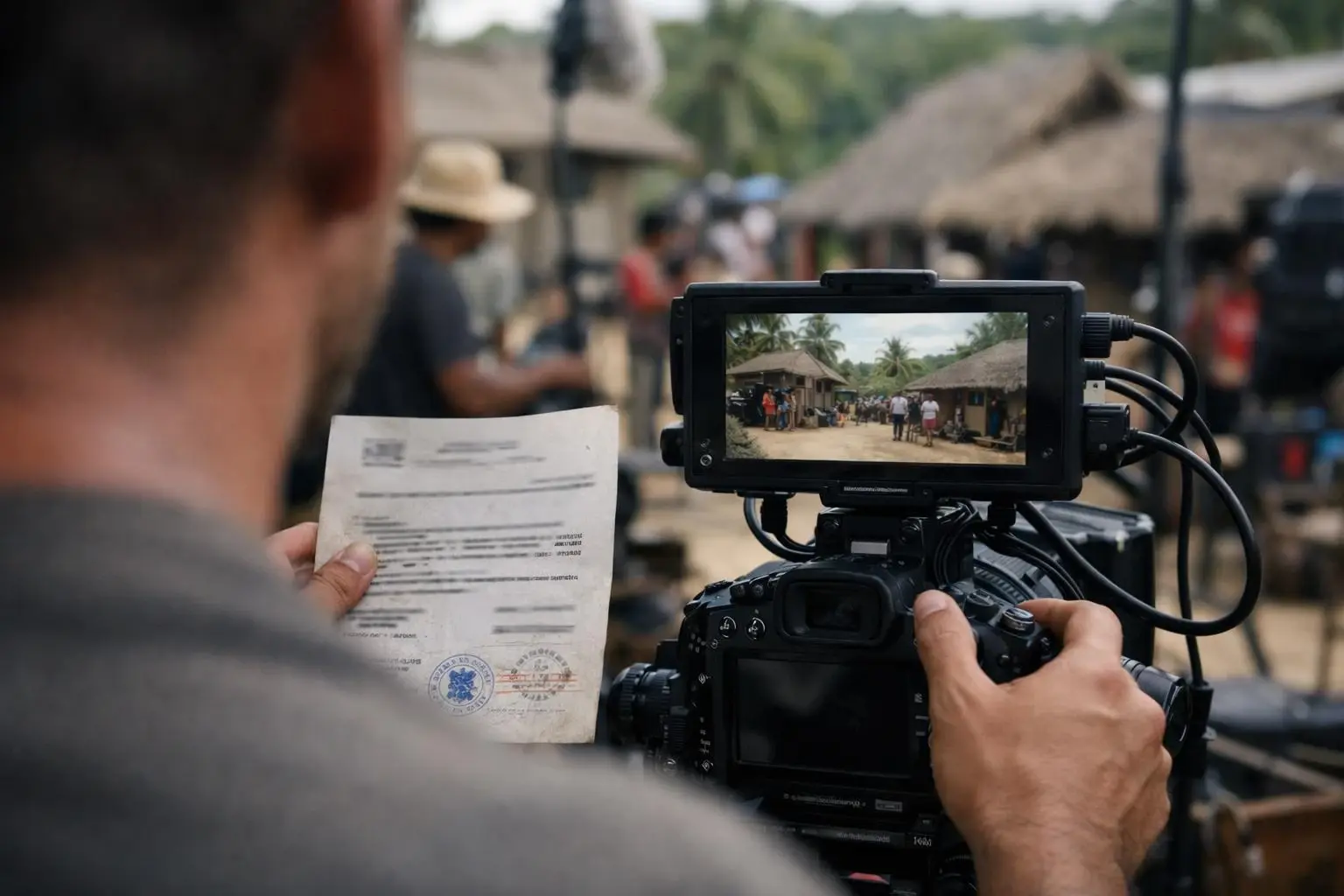
A commercial filming permit's a legal document that grants professional film crews permission to shoot in specific locations, particularly public spaces, protected areas. Or privately owned properties requiring government oversight. Unlike personal or news media filming, commercial projects—such as advertisements, TV shows. Or corporate videos—typically require permits because they involve paid crews, equipment. And potential disruptions to public spaces. Authorities issue these permits to ensure productions follow local laws, cut down on risks to public safety. And protect natural or cultural sites from damage.
Permits are usually required for filming in national parks, city streets, historical landmarks. Or other regulated areas. Even private properties may need permits if the filming involves drones, large crews. Or heavy equipment. The application process often includes submitting details about the project, crew size, equipment. And shooting schedule. The result matters. Authorities review these details to assess potential impacts on traffic, noise levels. Or environmental conditions. Without a permit, productions risk fines, equipment confiscation. Or legal action, which can delay or cancel projects entirely.
The process of obtaining a commercial filming permit typically begins with identifying the locations where filming will take place. Each jurisdiction—whether a city, national park. Or private property - may have its own rules and application procedures. In Madagascar, for example, permits are often managed by local film commissions or government agencies responsible for tourism, culture. Or environmental protection. Producers must submit an application that includes project details such as the script, shooting schedule, crew size. And equipment list. Some locations may also require proof of insurance, environmental impact assessments. Or fees to cover administrative costs.
Once submitted, the application is reviewed by relevant authorities, which may include police, environmental agencies. Or cultural heritage offices. The review process can take days or weeks, depending on the complexity of the project and the sensitivity of the location. For instance, filming in a national park may require additional approvals to ensure wildlife is not disturbed. If approved, the permit may include conditions such as restricted shooting hours, noise limitations. Or requirements to hire local security or guides. Producers must adhere to these conditions to avoid penalties or revocation of the permit.
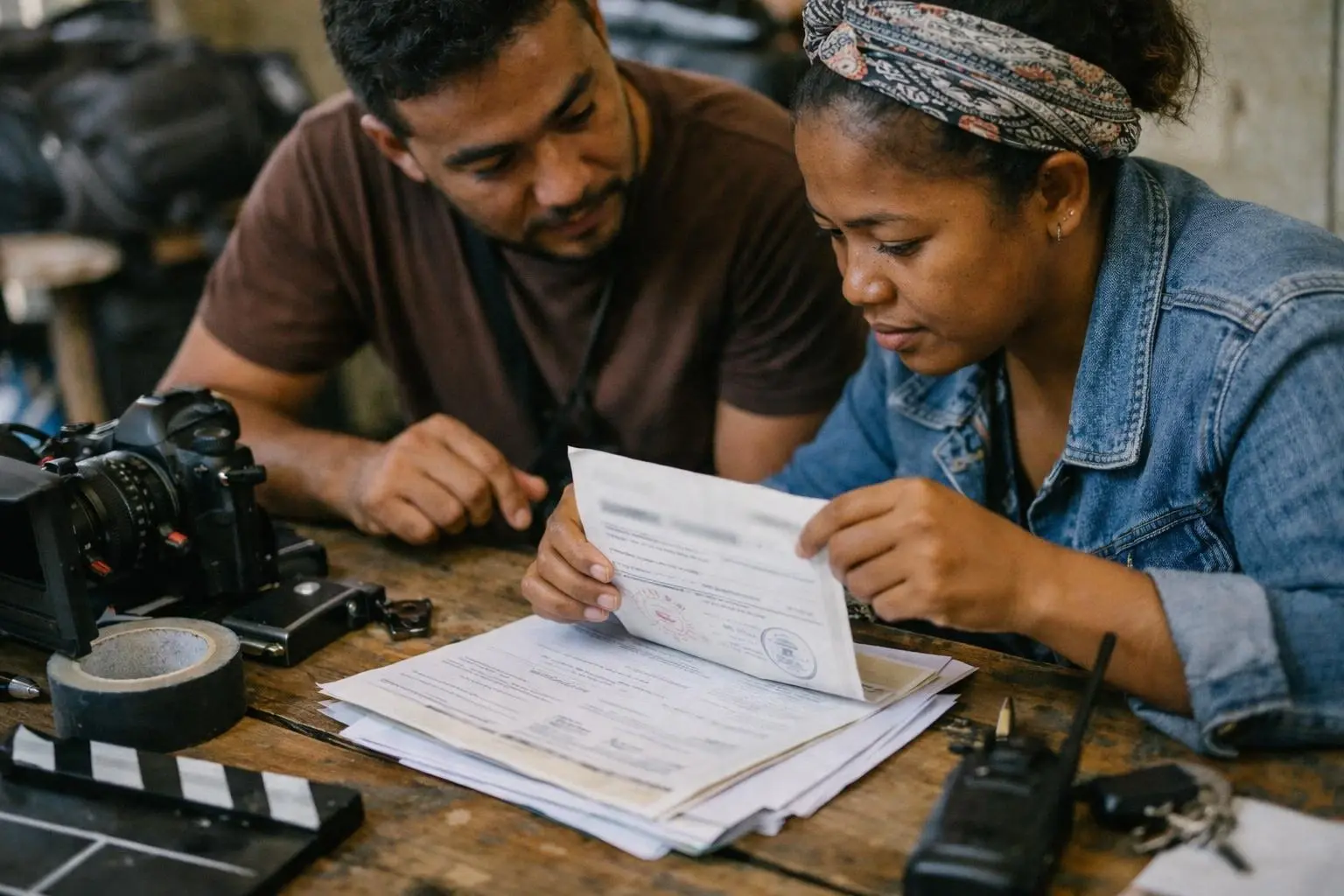
Commercial filming permits serve multiple purposes beyond legal compliance. They help protect public safety by ensuring productions don't obstruct traffic, create hazards. Or disrupt local communities. For example, filming on a busy city street may require road closures or police assistance, which can only be arranged with proper permits. Permits also safeguard cultural and natural heritage sites by setting rules for how filming can be conducted. In Madagascar, where unique landscapes and biodiversity are major attractions, permits help prevent damage to ecosystems or historical sites during production activities.
From a business perspective, permits provide legal protection for producers and investors. Without a permit, a production could face unexpected shutdowns, fines. Or legal disputes, leading to costly delays. Permits also build trust with local authorities and communities, which can be crucial for securing access to desirable locations. And insurance companies often require proof of permits before covering production risks, making them essential for financial protection.
Commercial filming permits are most critical when filming in public spaces, protected areas. Or locations with strict regulations. For example, shooting in a national park, on a public beach. Or in a historical district almost always requires a permit. Permits are also essential for projects involving drones, large crews. Or heavy equipment, as these can pose safety risks or disrupt public order. In Madagascar, permits are particularly important for productions featuring wildlife, as authorities closely monitor activities to prevent harm to endangered species or their habitats.
In practice, Permits also become crucial when filming in foreign countries, where local laws and cultural norms may differ from those in the production team’s home country. Producers must research and comply with local regulations to avoid legal issues or cultural misunderstandings. For instance, filming in certain religious or sacred sites may require special permissions or restrictions on camera angles. And permits are often needed for filming during large public events, such as festivals or parades, where crowds and security concerns are heightened. Failing to obtain the necessary permits in these situations can lead to project delays, financial losses. Or reputational damage.
Commercial filming permits often require coordination with multiple agencies, including police, environmental. And cultural heritage offices. Early planning and clear communication with local authorities can prevent delays and ensure compliance with all regulations.
A production company planning to film a car commercial on a public beach in Madagascar must obtain a commercial filming permit from the local film commission. The application includes details about the crew, equipment. And shooting schedule, as well as proof of insurance. After approval, the permit sets conditions for noise levels, filming hours.
PRO FIXERS MADAGASCAR
Contact PRO FIXERS MADAGASCAR for practical guidance on Commercial filming permit and related film production madagascar work in Madagascar.