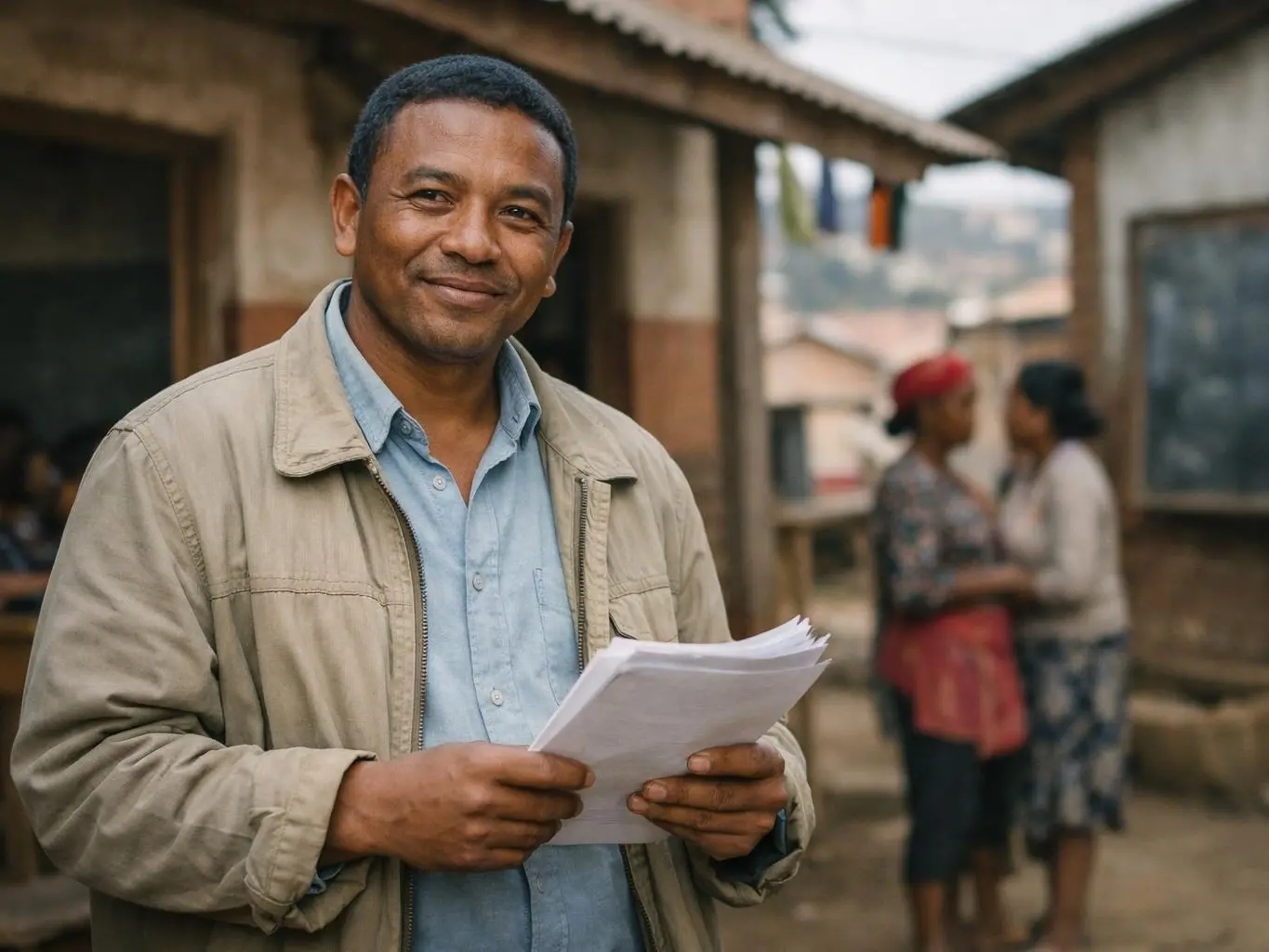
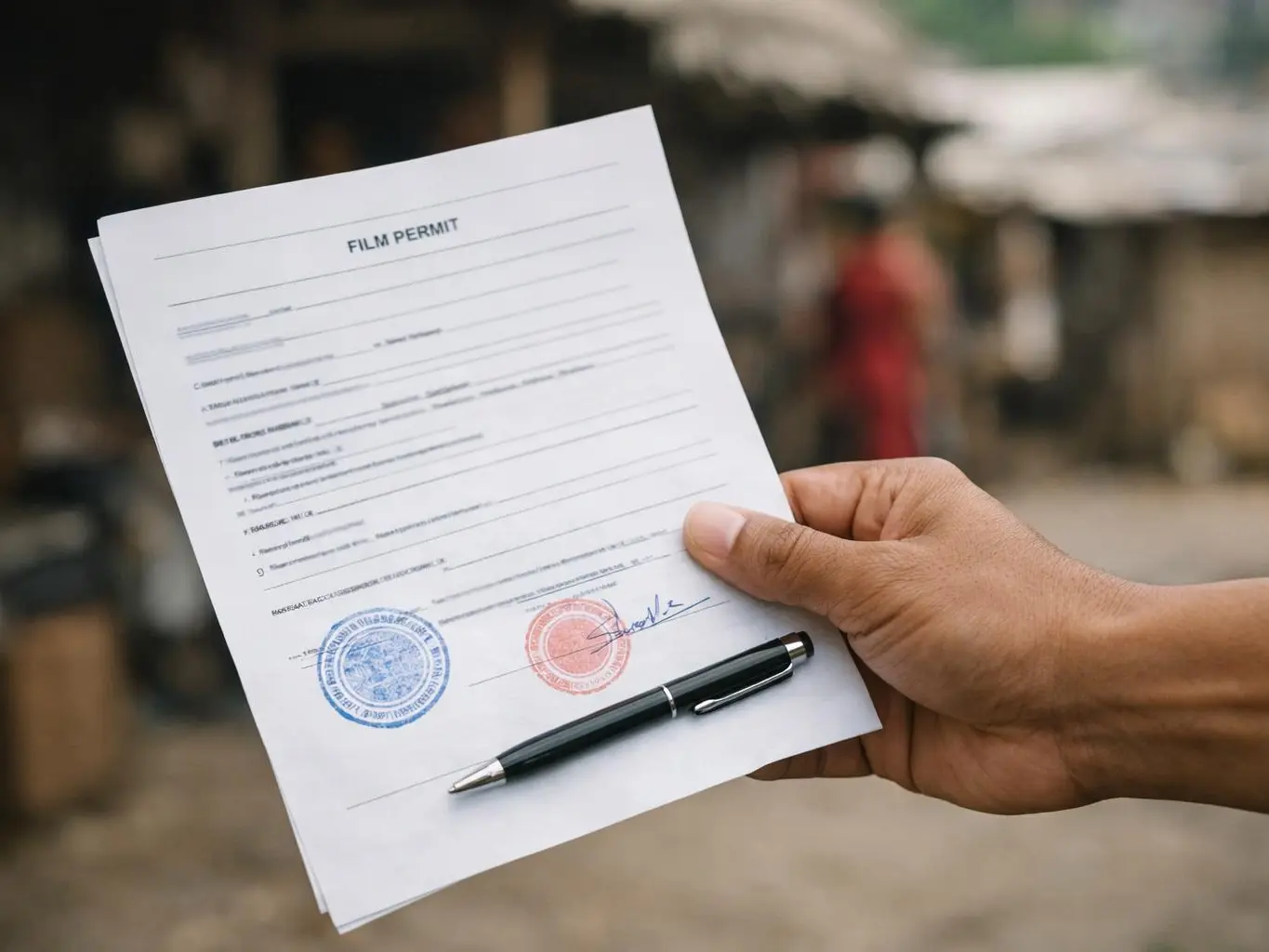
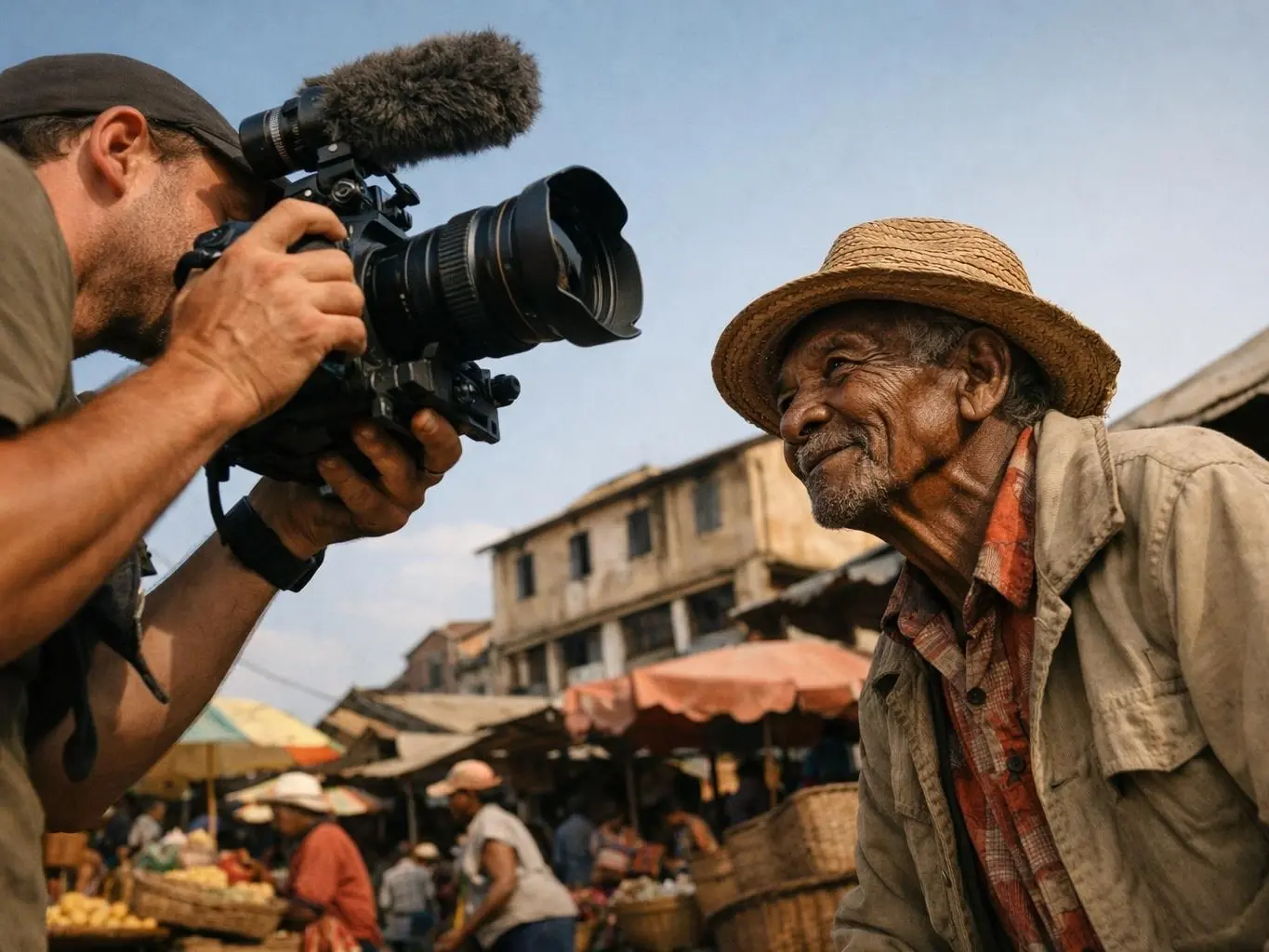
Direct sound recording grabs audio on set while filming. Mics and recorders catch live talk and sounds. This keeps the real sound clear. It cuts the need for later voice work.
Term
Direct sound recording
Category
Process
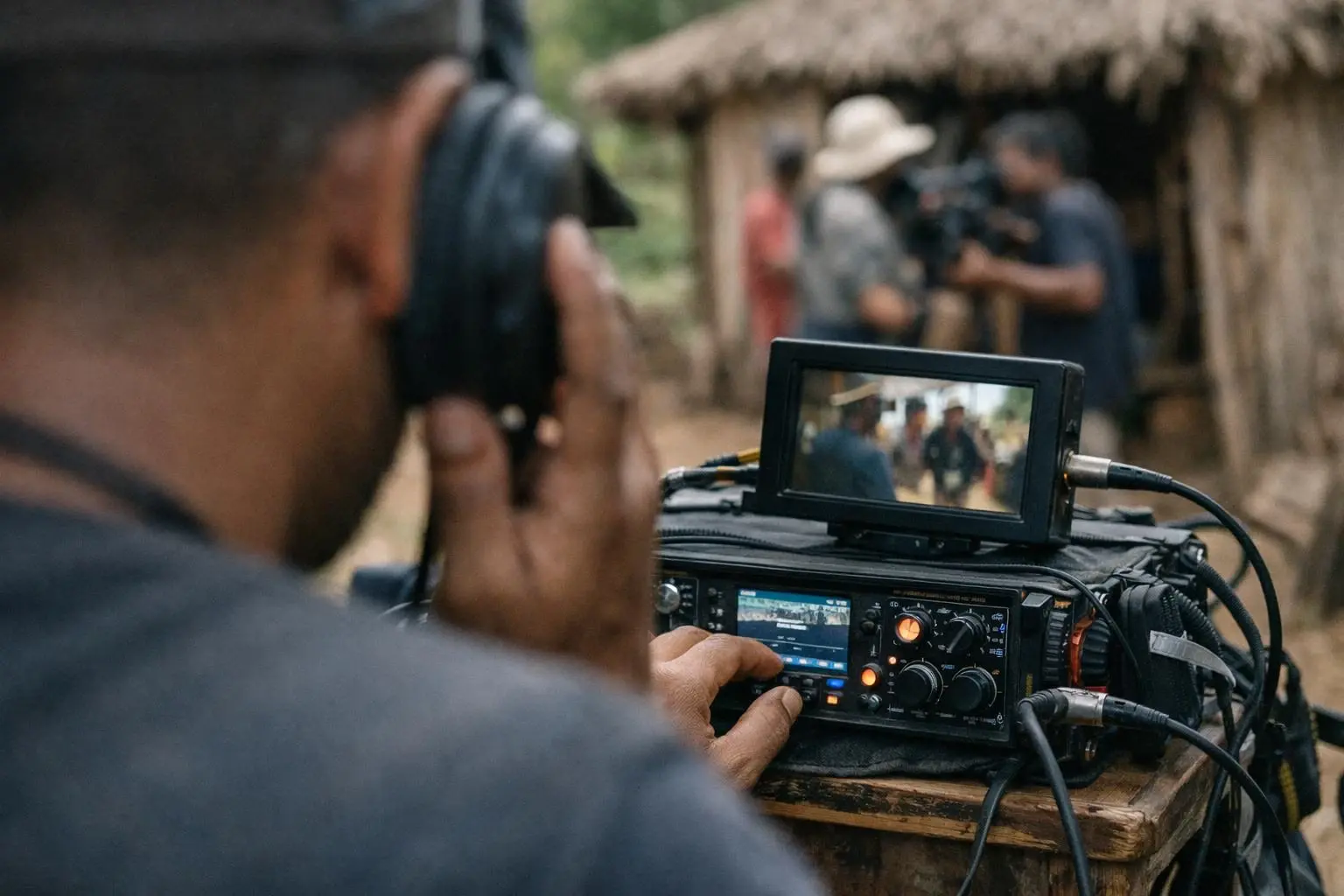
Direct sound recording refers to the practice of capturing audio directly on a film set or location while the scene is being shot. Unlike post-production sound techniques, which involve re-recording dialogue or adding effects later, direct sound recording aims to capture the original sound as it happens. This includes dialogue spoken by actors, ambient noises like wind or traffic. And specific sound effects that occur naturally during filming. The goal is to achieve the highest possible audio quality at the moment of capture, ensuring authenticity and reducing the need for additional work in post-production.
This method is fundamental in filmmaking because it preserves the natural tone, timing. And emotion of the original performance. For example, the subtle inflections in an actor’s voice or the ambient sounds of a bustling market can add depth and realism to a scene. Without direct sound recording, filmmakers would rely heavily on automated dialogue replacement (ADR), where actors re-record their lines in a studio. While ADR is useful for correcting mistakes or enhancing clarity, it often lacks the spontaneity and natural acoustics of live recording.
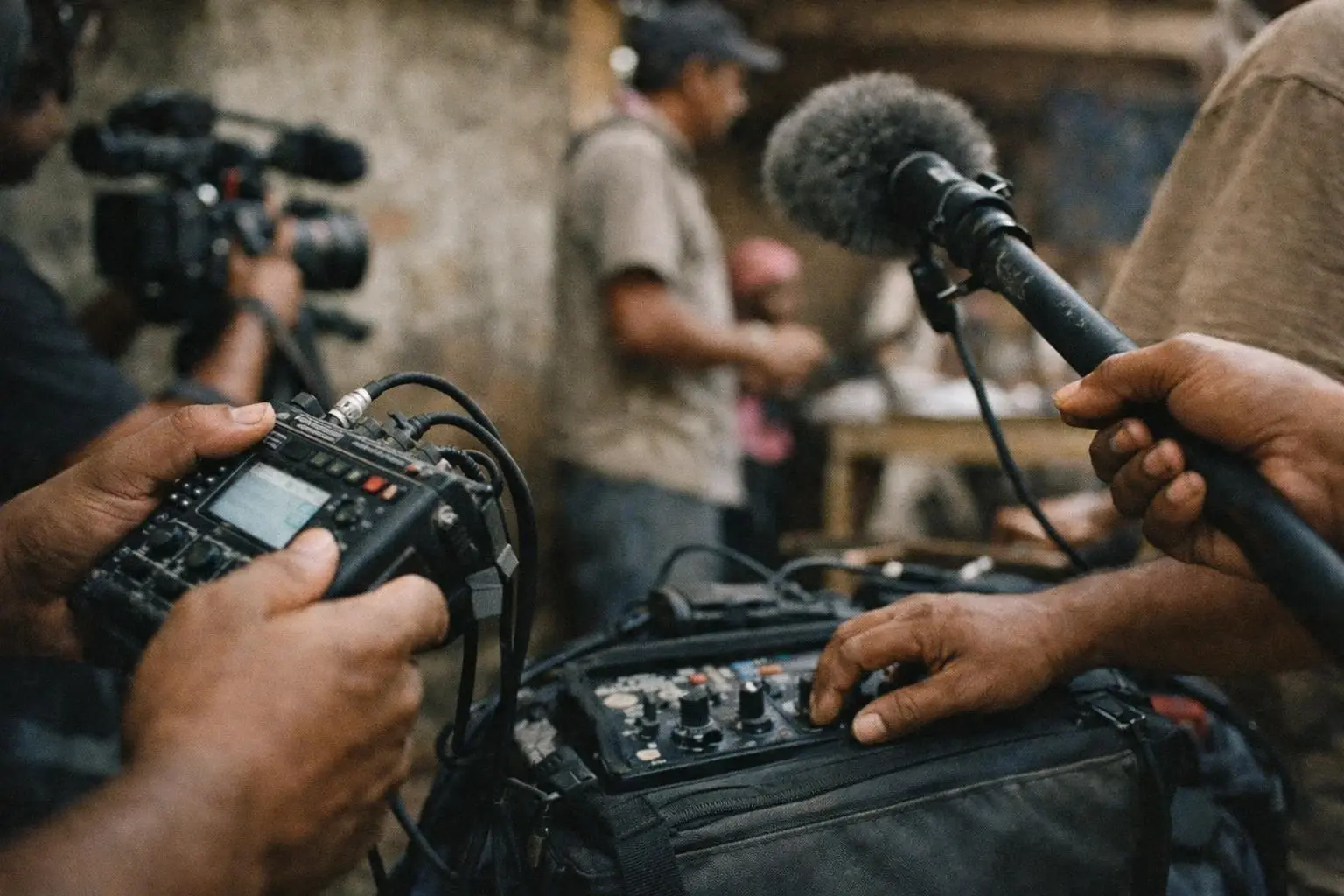
Direct sound recording involves a combination of specialized equipment and techniques to capture clear, high-fidelity audio. The process typically begins with selecting the right microphones for the scene. Lavalier microphones, which are small and clip onto clothing, are often used for dialogue to ensure the actor’s voice is captured clearly. Boom microphones, mounted on poles and positioned just out of frame, are another common choice, especially for scenes where multiple actors are speaking or where lavaliers might be visible.
For local customers, The microphones are connected to a field mixer or recorder, which allows the sound technician to control levels, monitor audio quality. And ensure the recording is free from distortion or background noise. Windshields and shock mounts are often used to cut down on unwanted sounds like wind or handling noise. Timecode synchronization is also critical, as it ensures the audio aligns perfectly with the visual footage during editing. Without proper synchronization, the dialogue or effects might not match the actors’ lip movements, creating a disjointed viewing experience.
In challenging environments, such as outdoor locations with unpredictable weather or noisy urban settings, additional techniques may be employed. For instance, sound blankets or portable soundproofing panels can be used to reduce echo or external noise. The sound technician must also be vigilant about monitoring the recording in real time, making adjustments as needed to maintain consistent quality throughout the shoot.
Direct sound recording is a cornerstone of professional filmmaking because it directly impacts the quality and authenticity of the final product. High-quality audio enhances the viewer’s immersion in the story, making scenes feel more realistic and engaging. Poor audio, on the other hand, can distract audiences, even if the visuals are stunning. For example, muffled dialogue or excessive background noise can make it difficult for viewers to follow the plot, leading to a frustrating experience.
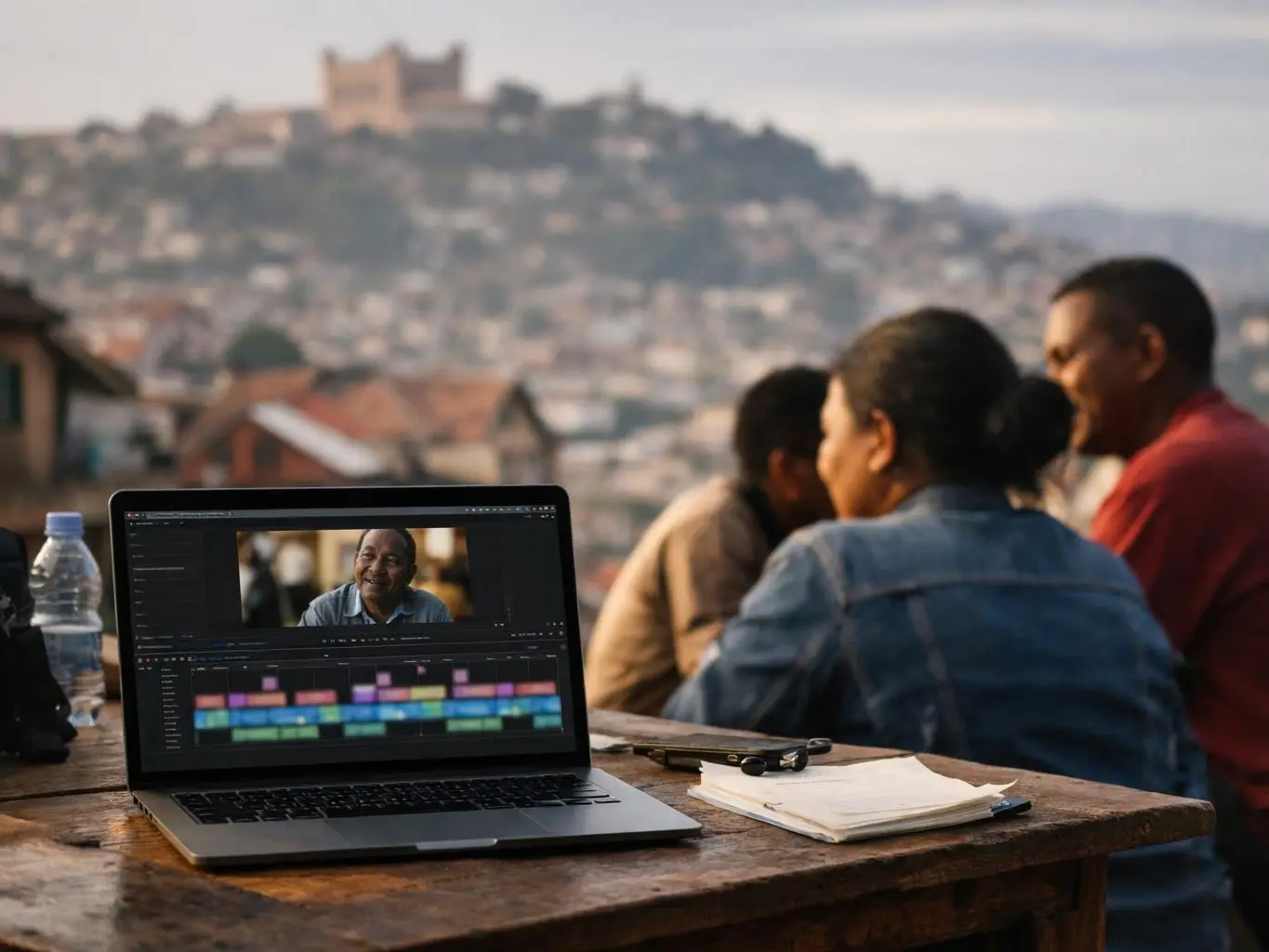
From a production standpoint, direct sound recording can also save time and money. While post-production sound editing is always necessary to some extent, starting with clean, well-recorded audio reduces the need for extensive ADR or sound effects work. This is particularly important for independent filmmakers or productions with limited budgets, where every dollar counts. And capturing the original sound on set preserves the director’s vision, as the actors’ performances are recorded in the context of the scene, rather than in a sterile studio environment.
Direct sound recording is especially critical in certain types of productions and scenarios. For documentaries, where authenticity is vital, capturing live sound is often non-negotiable. The ambient noises, natural dialogue. And unscripted moments recorded on location help tell the story in a way that studio-recorded audio can't. Similarly, in narrative films, scenes with heavy dialogue or complex interactions between characters benefit greatly from direct sound recording, as it ensures the performances feel natural and synchronized with the visuals.
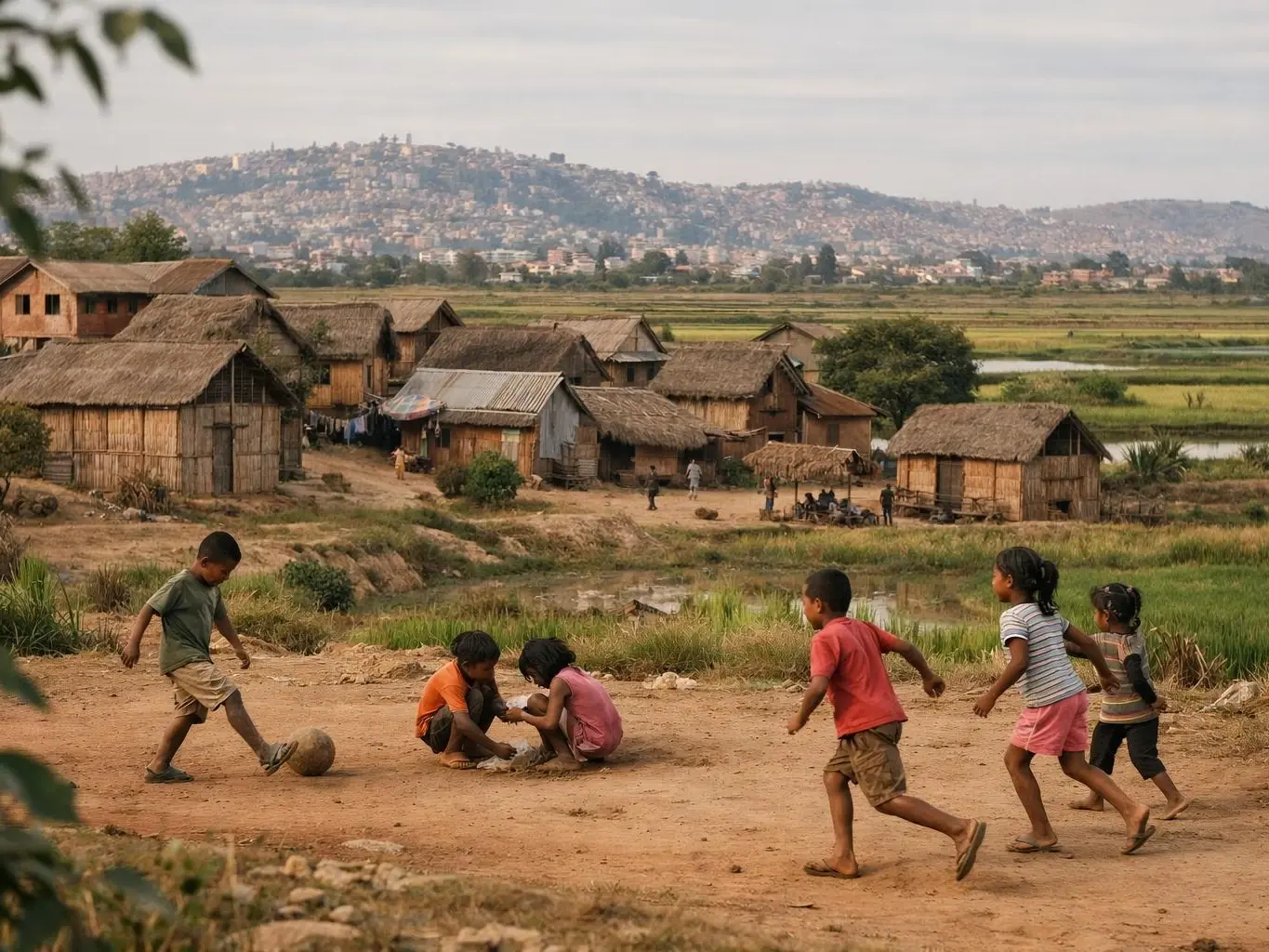
Environmental factors also play a role in determining when direct sound recording is most important. For example, filming in remote or outdoor locations, such as the diverse landscapes of Madagascar, presents unique challenges. The sounds of wildlife, wind. Or water can add richness to a scene. But they also require careful recording techniques to avoid overwhelming the dialogue. In contrast, indoor shoots with controlled acoustics may rely more on post-production sound editing. Though direct recording is still preferred for capturing the original performances.
Finally, direct sound recording is essential for productions that prioritize realism or have limited resources for post-production. For instance, low-budget films or student projects often lack the funds for extensive ADR or sound design, making high-quality on-set recording a necessity. Even in high-budget productions, direct sound recording is a standard practice, as it provides a solid foundation for the final audio mix.
Direct sound recording is not just about capturing dialogue—it’s about preserving the authenticity of the entire scene. Even seemingly insignificant ambient sounds can enhance the storytelling. So always record a few seconds of room tone or silence for editing purposes.
A crew filmed a busy market in Antananarivo. The sound tech used a boom mic. It caught the actors' words and market noise. This made the scene feel real. Less work was needed later.
PRO FIXERS MADAGASCAR
Contact PRO FIXERS MADAGASCAR for practical guidance on Direct sound recording and related film production madagascar work in Madagascar.