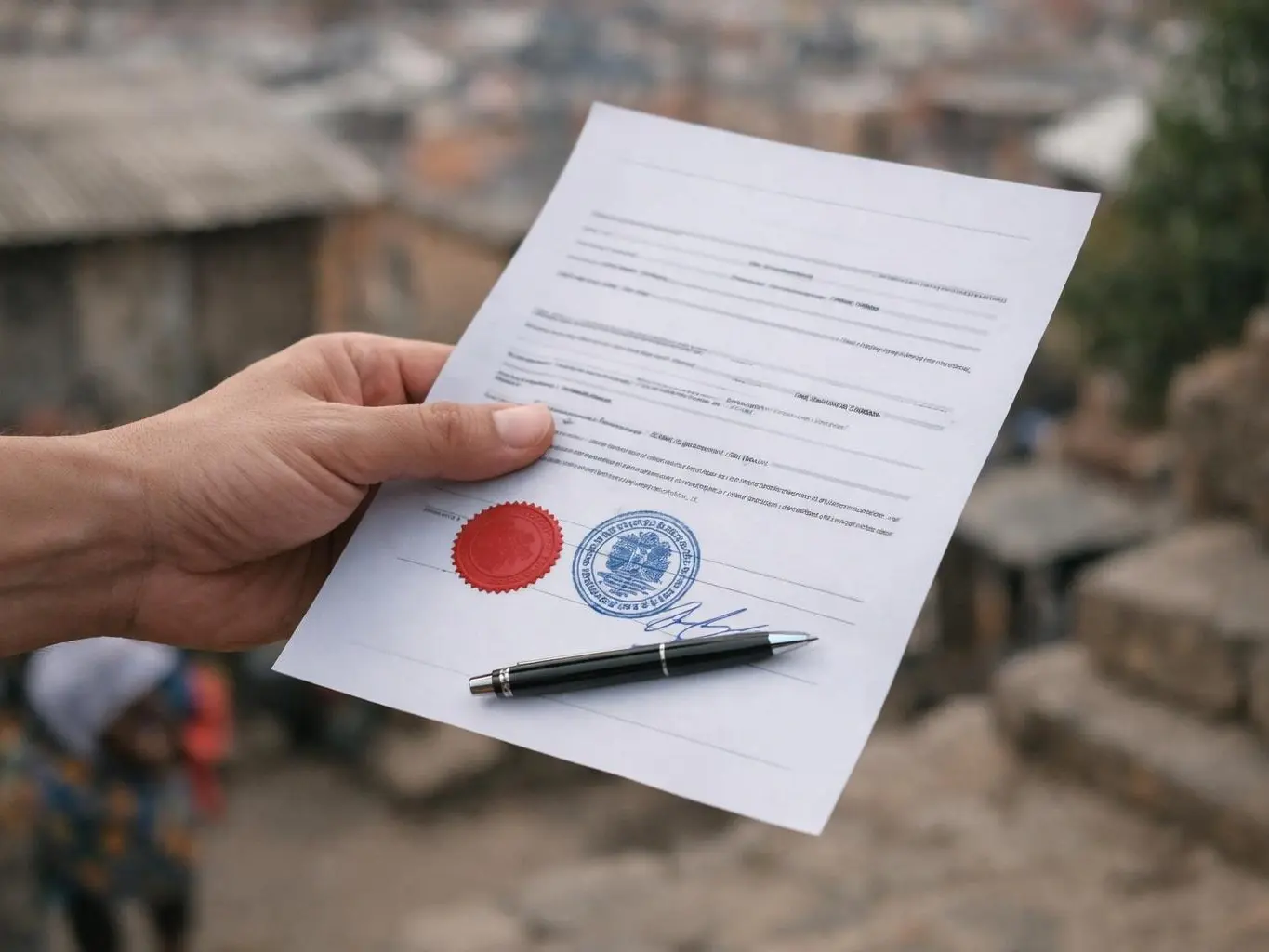
A location release is a paper the owner signs. It lets crews film on their land. The paper shows when, how. And what they can film. It may list pay.
Term
Location release
Category
Definition

A location release is a binding contract between a property owner and a film production team. It ensures that the owner consents to the use of their property for filming purposes, including photography, sound recording. And set construction. Without this document, productions risk legal disputes, fines. Or being forced to stop filming. Location releases are distinct from filming permits, which are often issued by government authorities for public spaces. While location releases cover private properties.
These agreements are standard practice in professional filmmaking, whether for feature films, commercials, documentaries. Or corporate videos. They clarify what activities are allowed, such as drone footage, pyrotechnics. Or overnight shoots. And may include clauses about property damage, insurance requirements. And compensation. The document also typically specifies the exact dates and times filming can occur, ensuring the owner’s rights are respected.
The process of obtaining a location release begins with identifying the property needed for filming. Once the owner or manager is contacted, negotiations cover key details like fees, access times. And any restrictions (e.g., noise levels or crew size). A written agreement is then drafted, often using a template provided by the production company or a legal advisor. Both parties review the terms before signing. And copies are exchanged for record-keeping.
In some cases, location releases are bundled with other agreements, such as filming permits or insurance policies. For example, a production filming in a historic building might need both a location release from the owner and a permit from a local heritage authority. The release may also require the production to cover costs like cleaning, security. Or temporary modifications to the property. Failure to comply with the terms can void the agreement and expose the production to legal liability.
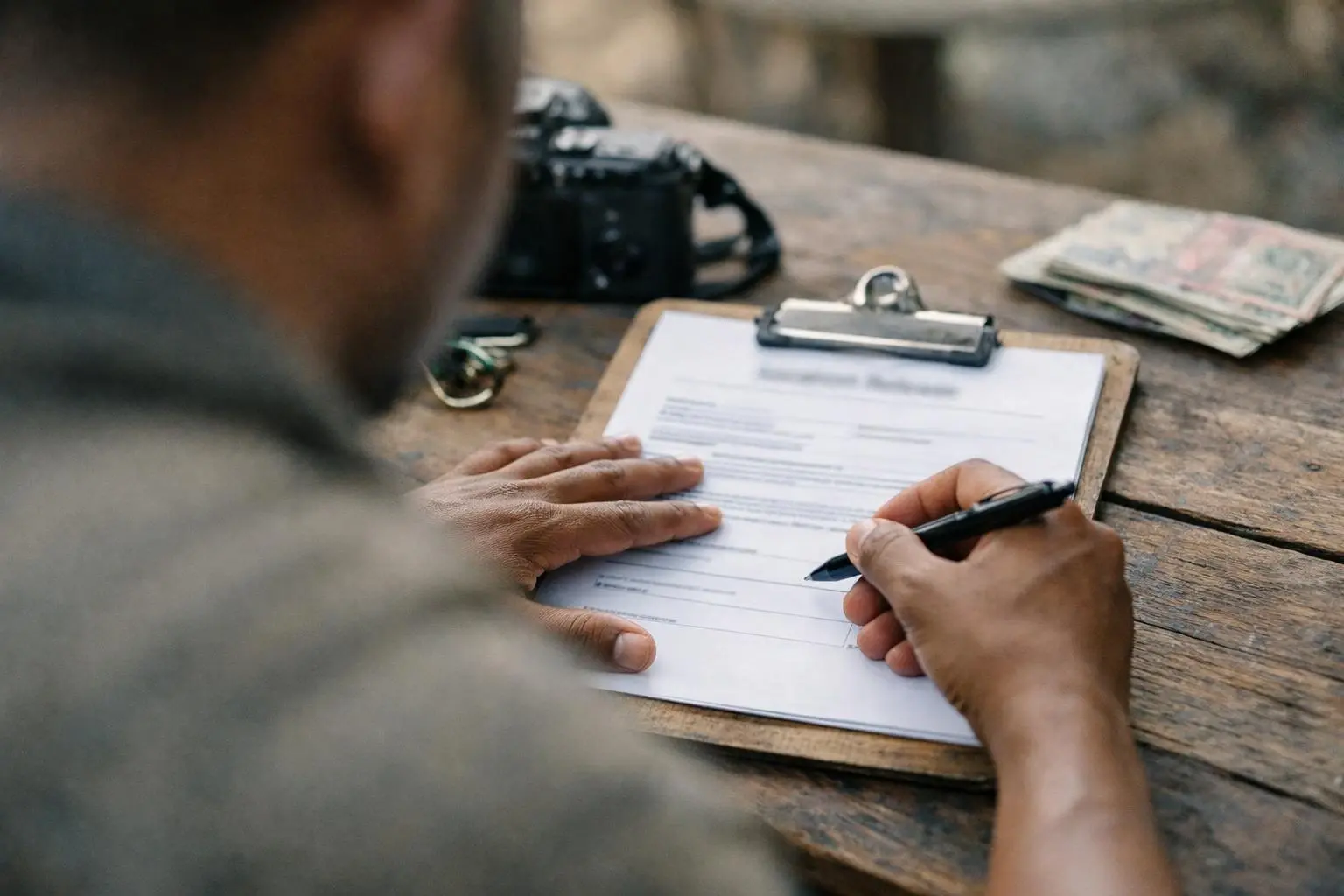
Location releases are essential for mitigating legal and financial risks in film production. Without one, a property owner could sue for trespassing, invasion of privacy. Or unauthorized use of their property in the final product. This could lead to costly lawsuits, project delays. Or even the removal of scenes from the finished film. And broadcasters, distributors. And insurers often require proof of location releases before approving a project, making them critical for securing funding and distribution deals.
Beyond legal protection, location releases foster goodwill between productions and property owners. Clear agreements help prevent misunderstandings about expectations, such as noise, crew behavior. Or property modifications. They also provide a framework for resolving disputes, such as accidental damage, by outlining liability and compensation procedures upfront. This transparency builds trust and can lead to repeat collaborations with property owners.
Location releases are particularly important in scenarios involving private properties, high-profile locations. Or sensitive environments. For example, filming in a residential neighborhood, a corporate office. Or a culturally significant site requires explicit permission to avoid legal complications. Productions targeting international distribution must also ensure their location releases comply with local laws, as some countries have strict regulations about filming on private land.
they're also critical when filming involves disruptive activities, such as stunts, large crews. Or equipment that could damage the property. In these cases, the release may include additional clauses about insurance coverage, security deposits. Or restoration requirements. Even for low-budget or independent projects, skipping a location release can lead to unexpected costs, such as fines or last-minute location changes, which can derail a production schedule.
A location release is not just a formality—it’s a critical risk management tool. Always ensure the document is tailored to the specific filming activities and reviewed by a legal professional, especially for complex or high-value productions.
A crew wants to film a ad in a villa in Antananarivo. They get a signed paper from the owner. The paper says when they film, how many crew come. And fixes to plants. Without it, the owner can stop filming or sue.
PRO FIXERS MADAGASCAR
Contact PRO FIXERS MADAGASCAR for practical guidance on Location release and related film production madagascar work in Madagascar.