Permit coordinator is permit coordinators are professionals responsible for securing all necessary legal permissions, licenses. And approvals required for film, television. Or commercial productions. They ensure compliance with local, regional.
Term
Permit coordinator
Category
Process
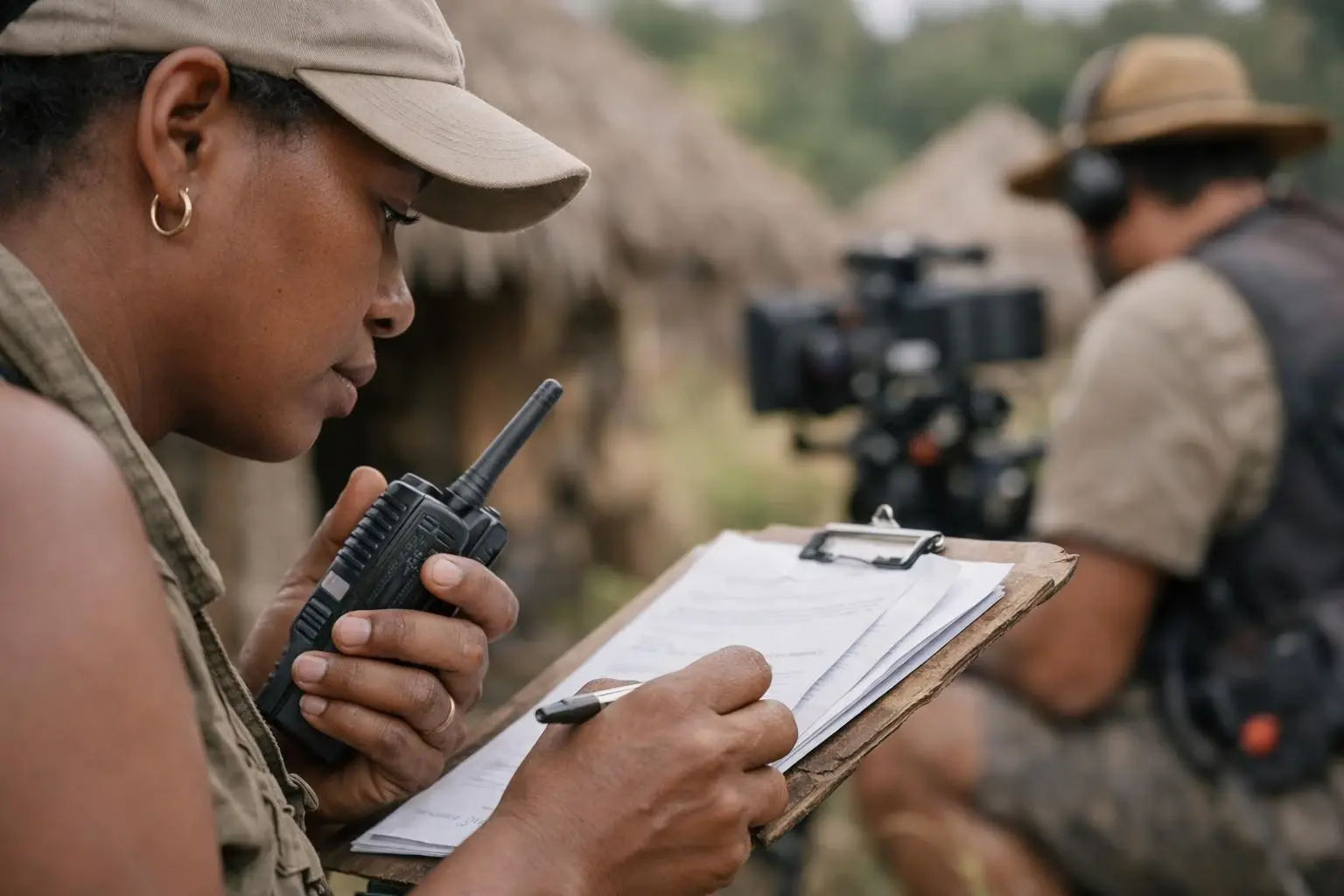
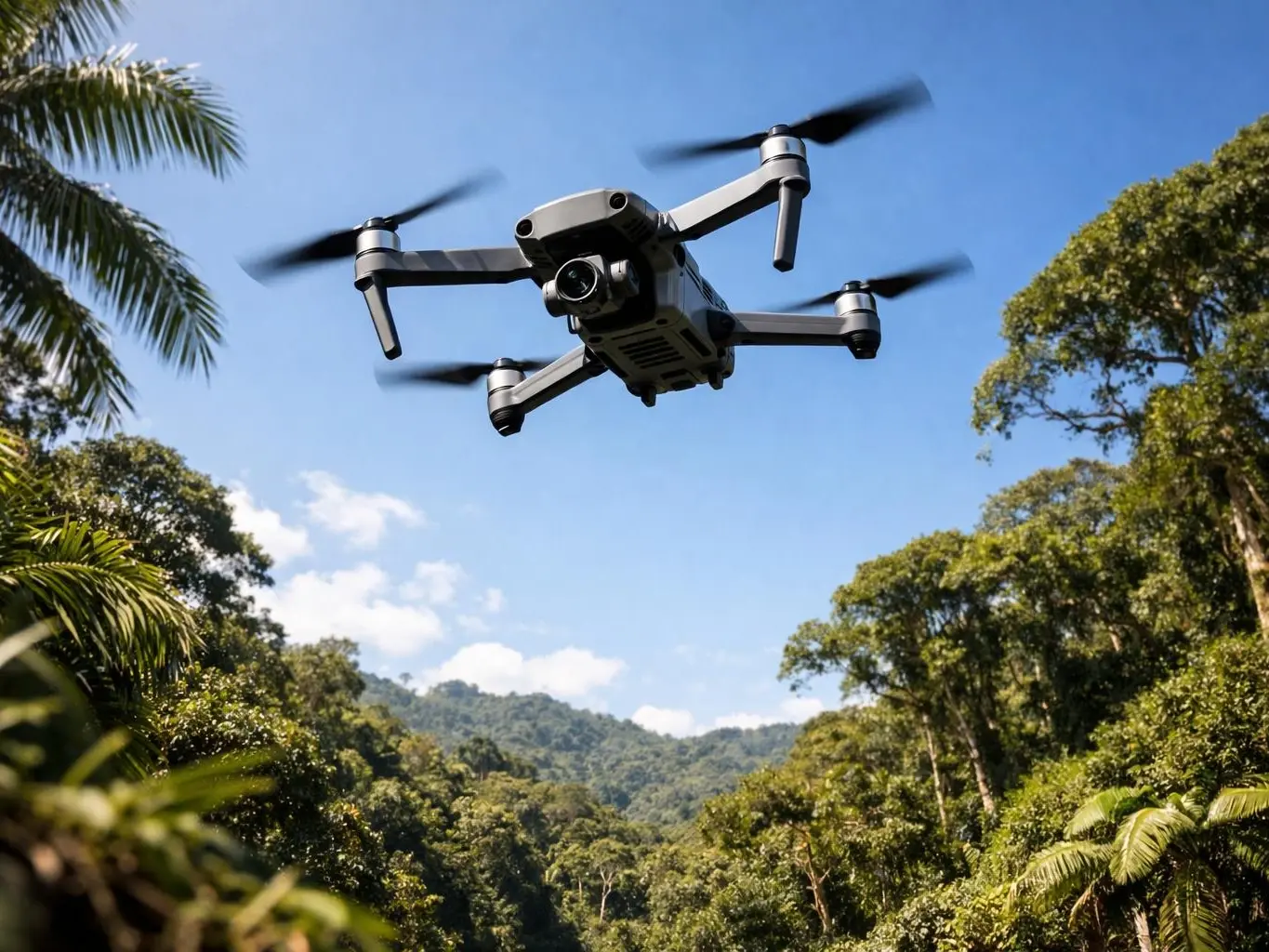
Permit coordinators play a critical role in film and television production by managing the legal and administrative requirements for filming in specific locations. Their work ensures that productions operate within the law, avoiding costly delays, fines. Or shutdowns. This role involves understanding local regulations, which can vary significantly between cities, regions. Or countries. For example, filming in a national park may require different permits than filming in a urban setting. And drone footage often requires separate approvals from aviation authorities.
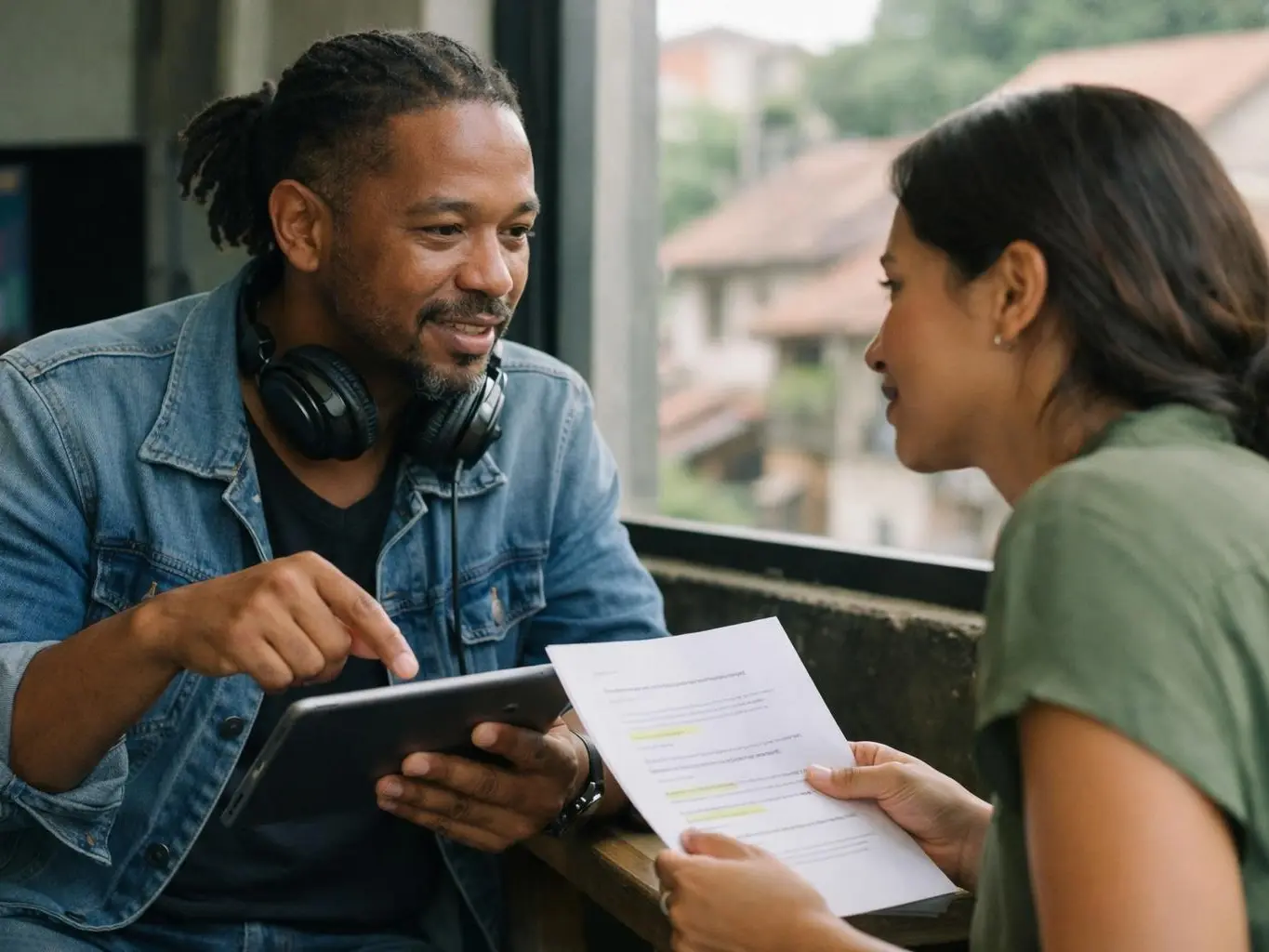
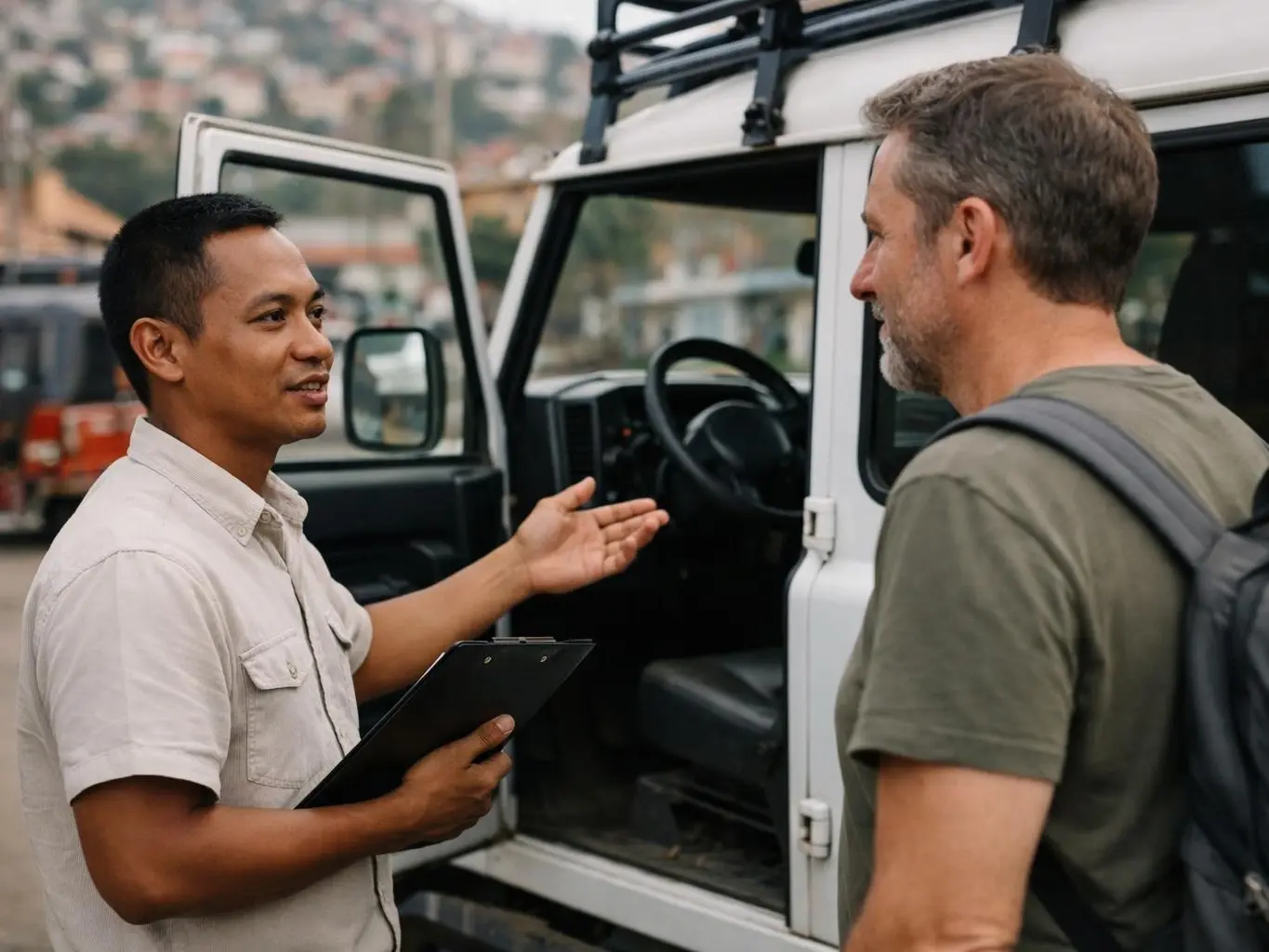
In addition to legal compliance, permit coordinators act as intermediaries between production teams and government agencies. They gather necessary documentation, such as scripts, shooting schedules. And insurance certificates. And submit them to the relevant authorities. Their expertise helps productions navigate bureaucratic processes efficiently, allowing creative teams to focus on their work without worrying about legal hurdles. This role is especially important for large-scale productions or those filming in sensitive or restricted areas, where multiple layers of approval may be required.
The workflow of a permit coordinator typically begins during pre-production, when the filming locations are identified. The coordinator reviews the script and shooting schedule to determine which permits, licenses. Or approvals are needed. This may include filming permits for public spaces, drone operation licenses. Or special permissions for stunts, pyrotechnics. Or road closures. They then prepare and submit applications to the appropriate government agencies, which can include local film commissions, municipal offices. Or national regulatory bodies.
Once applications are submitted, permit coordinators track their progress, follow up on requests. And address any issues that arise. This may involve negotiating with officials, adjusting shooting schedules. Or providing additional documentation. On the day of filming, they often ensure that the production adheres to the terms of the permits, such as noise restrictions, time limits. Or crowd control measures. In some cases, they may also coordinate with local police or security teams to manage logistics, such as road closures or pedestrian safety.
Permit coordinators also keep detailed records of all permits and approvals, which can be critical in the event of an audit or legal dispute. Their work requires strong organizational skills, careful workmanship. And the ability to communicate effectively with both production teams and government officials. While their role is primarily administrative, it has a direct impact on the smooth operation of a production.
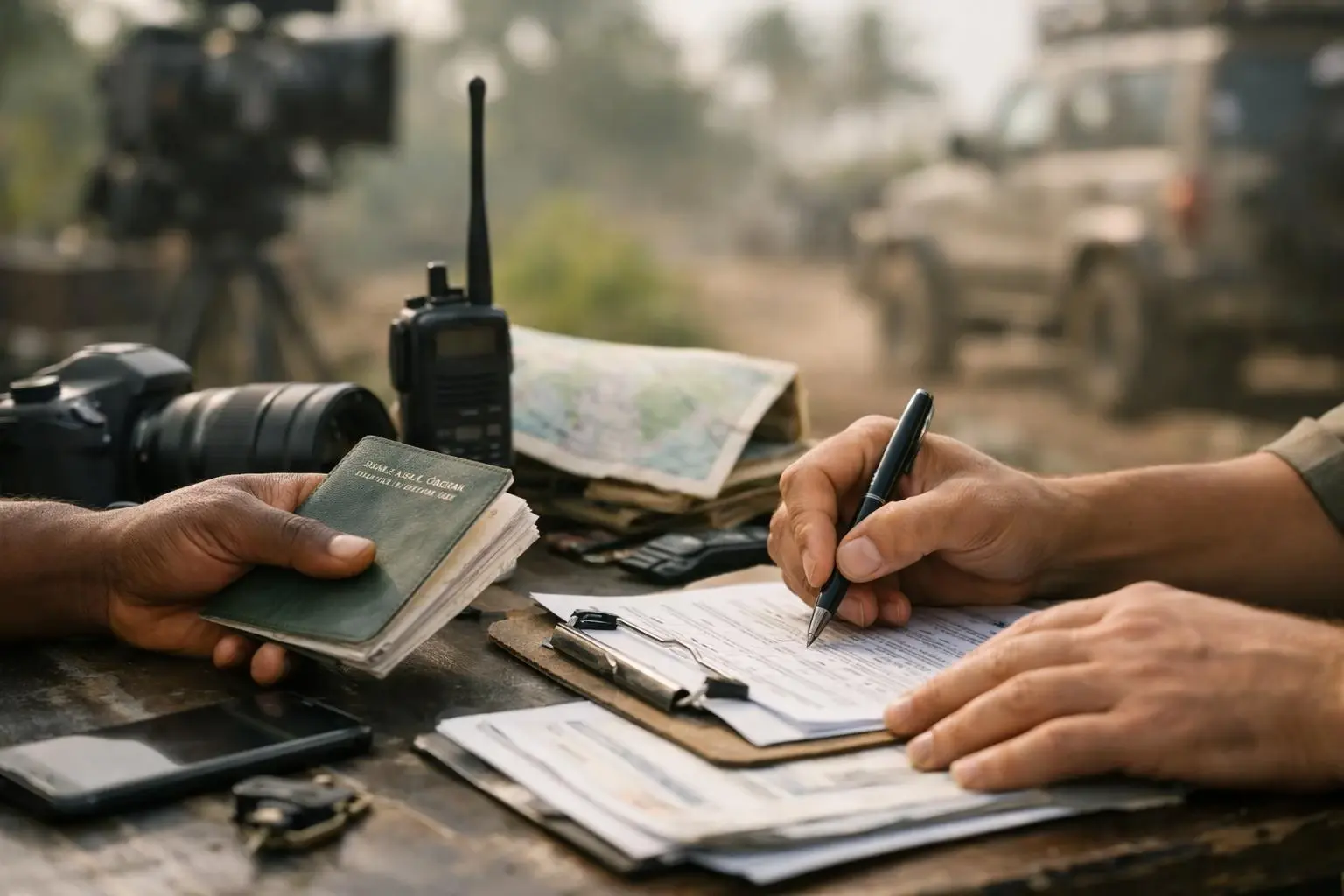
Permit coordinators are essential for mitigating legal and financial risks associated with film production. Without proper permits, productions can face fines, shutdowns. Or even legal action, which can derail schedules and inflate budgets. For example, filming without a permit in a restricted area could result in the confiscation of equipment or the revocation of future filming rights. By ensuring compliance, permit coordinators protect the production from these risks, allowing creative teams to focus on their work without distractions.
Beyond legal compliance, permit coordinators contribute to the efficiency of a production. Their knowledge of local regulations and bureaucratic processes helps avoid delays caused by missing or incorrect paperwork. That means particularly valuable for international productions, where unfamiliarity with local laws can lead to costly mistakes. And their ability to negotiate with government agencies can secure favorable terms for filming, such as extended shooting hours or reduced fees, which can have a significant impact on the production's budget and timeline.
Permit coordinators are most critical during pre-production and principal photography, when filming locations are confirmed and permits are required. Their involvement is especially important for productions filming in public spaces, sensitive environments. Or multiple jurisdictions, where regulations can vary widely. For example, a production filming in a historic district may need special approvals to preserve the area's cultural heritage. While a commercial shoot in a busy urban center may require road closures and police coordination.
Permit coordinators also play a key role in productions involving drones, stunts. Or large crowds, where additional safety and regulatory considerations come into play. In these cases, their ability to secure the necessary approvals can determine whether a scene can be filmed at all. And their work is vital for productions with tight schedules or limited budgets, where delays or fines could have serious consequences. Even after filming is complete, permit coordinators may be needed to ensure that all post-production activities, such as reshoots or additional footage, comply with the original permits.
A skilled permit coordinator doesn’t just secure permits—they anticipate potential roadblocks and proactively address them. This includes understanding unspoken local rules, building relationships with officials.
For a documentary filming in Madagascar’s national parks, the permit coordinator secured approvals from the Ministry of Environment, arranged drone permits through the civil aviation authority. And coordinated with local guides to ensure compliance with wildlife protection laws. Without their efforts, the production would have faced delays or fines for unauthorized filming.
PRO FIXERS MADAGASCAR
Contact PRO FIXERS MADAGASCAR for practical guidance on Permit coordinator and related film production madagascar work in Madagascar.