Post-production supervisor is a senior role responsible for overseeing all technical and creative stages after filming ends, including editing, sound design, visual effects, color grading. And final delivery. Post-production supervisors coordinate teams, manage budgets.
Category
Film production role
Used for
Managing post-production workflows
Common confusion
Often mistaken for an editor or producer
Also called
Post supervisor, Post-production manager
Often discussed with
Post production Video Editing Service, Voice Over and Subtitle Services

A post-production supervisor is a key leader in filmmaking. They step in after the main filming ends.
Related glossary terms: Color grading, Foley artist.
Directors and producers focus on telling the story during filming. The post-production supervisor makes sure the raw footage becomes a polished final product.
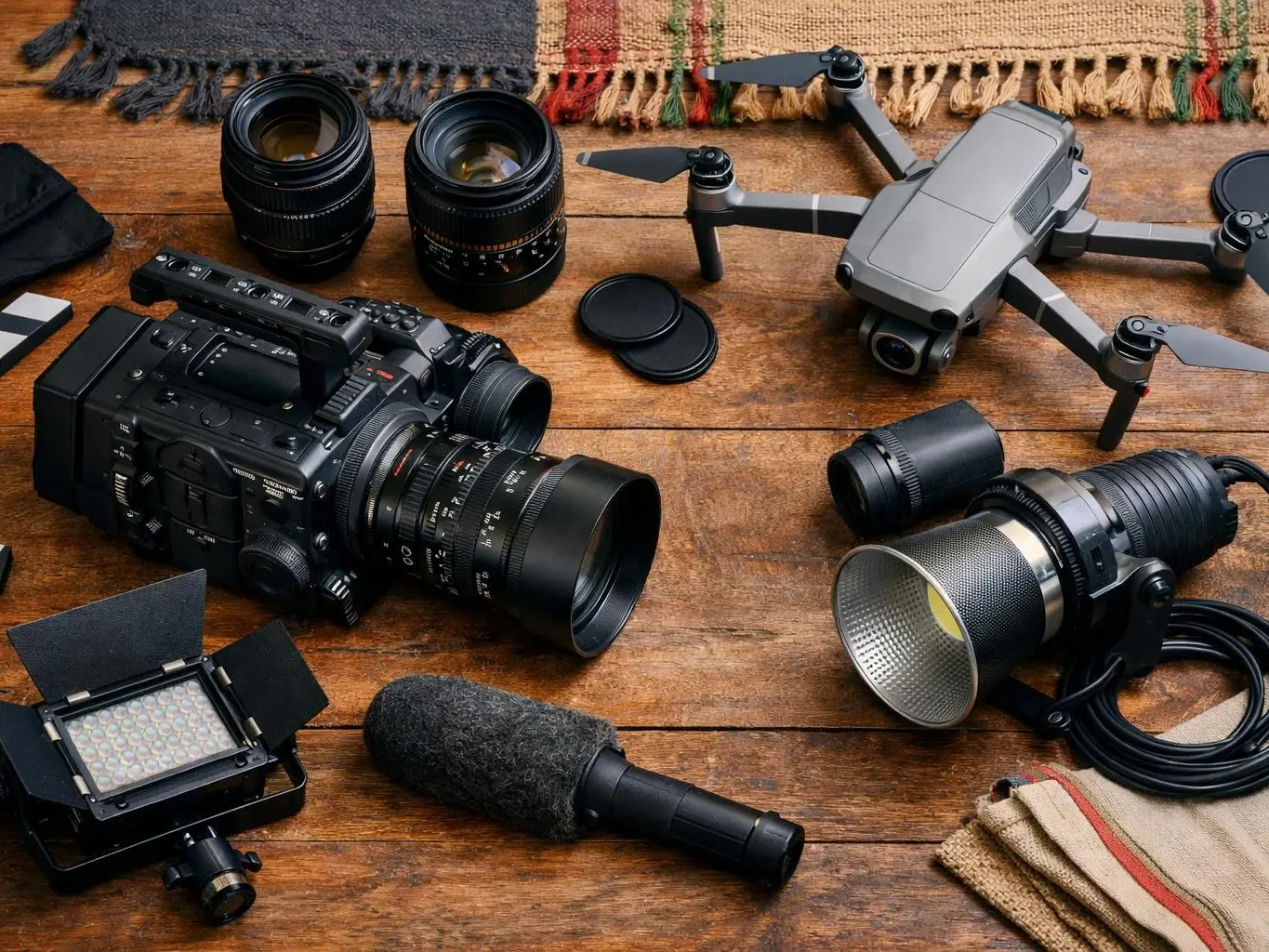
This job needs a deep understanding of technical steps. These include editing software, sound mixing. And visual effects. They also need to know the film’s creative goals, like keeping the tone and story smooth.
The supervisor links the creative vision with real-world limits. They balance artistic needs with budget and schedule.
Editors and sound designers work on specific tasks. But the post-production supervisor has a bigger job.
They watch over the whole post-production process. This starts with the first rough cut and ends with the final master.
They work with many teams, like colorists and visual effects studios. Their job is to make sure everything matches the project’s goals. They also fix problems, like delays or technical issues, to keep things on track.
The post-production supervisor starts by reviewing the project’s needs. This includes the director’s vision and the editor’s first cuts.
They also check technical details, like how the film will be delivered. This could be for theaters, streaming. Or TV. Then they make a timeline and budget for each step.
They plan for tasks like sound editing and visual effects. They also look for risks, like tight deadlines. And make backup plans.
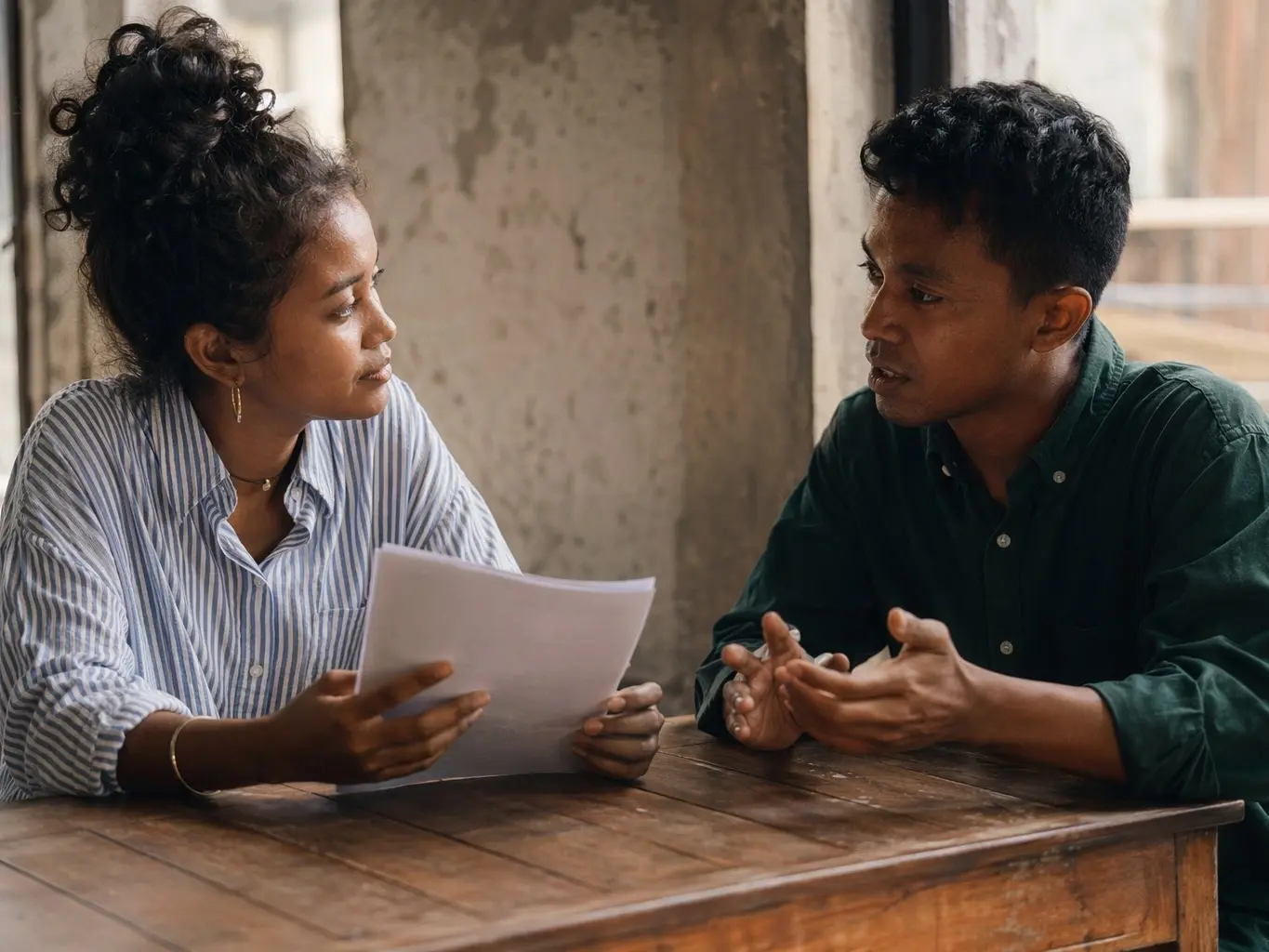
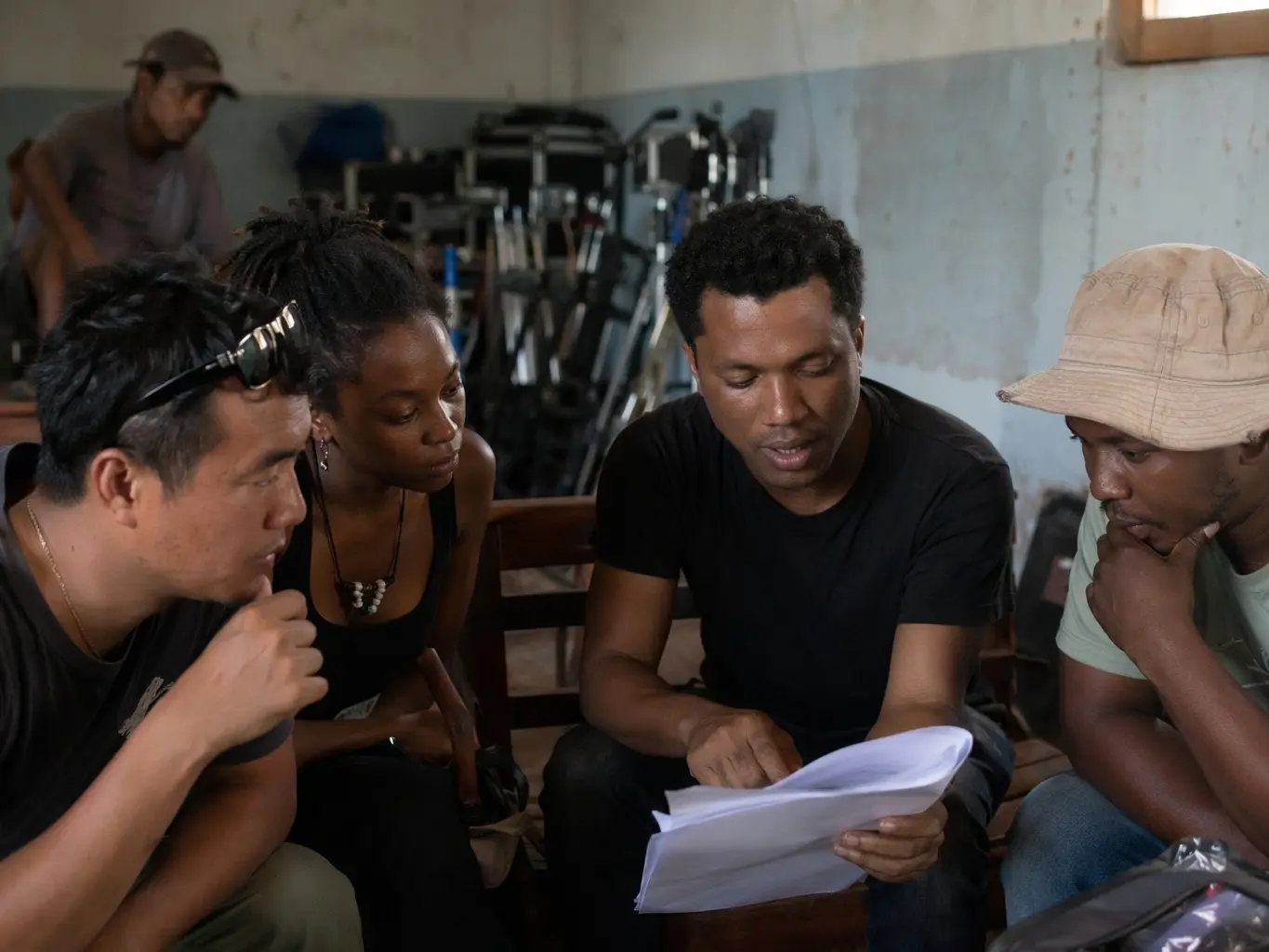
The supervisor meets with the team often. They track progress and solve problems. If visual effects are late, they might move resources or change the timeline.
They make sure all decisions fit the project’s goals. They help balance the director’s vision with budget limits. Finally, they check quality at every step to meet industry standards.
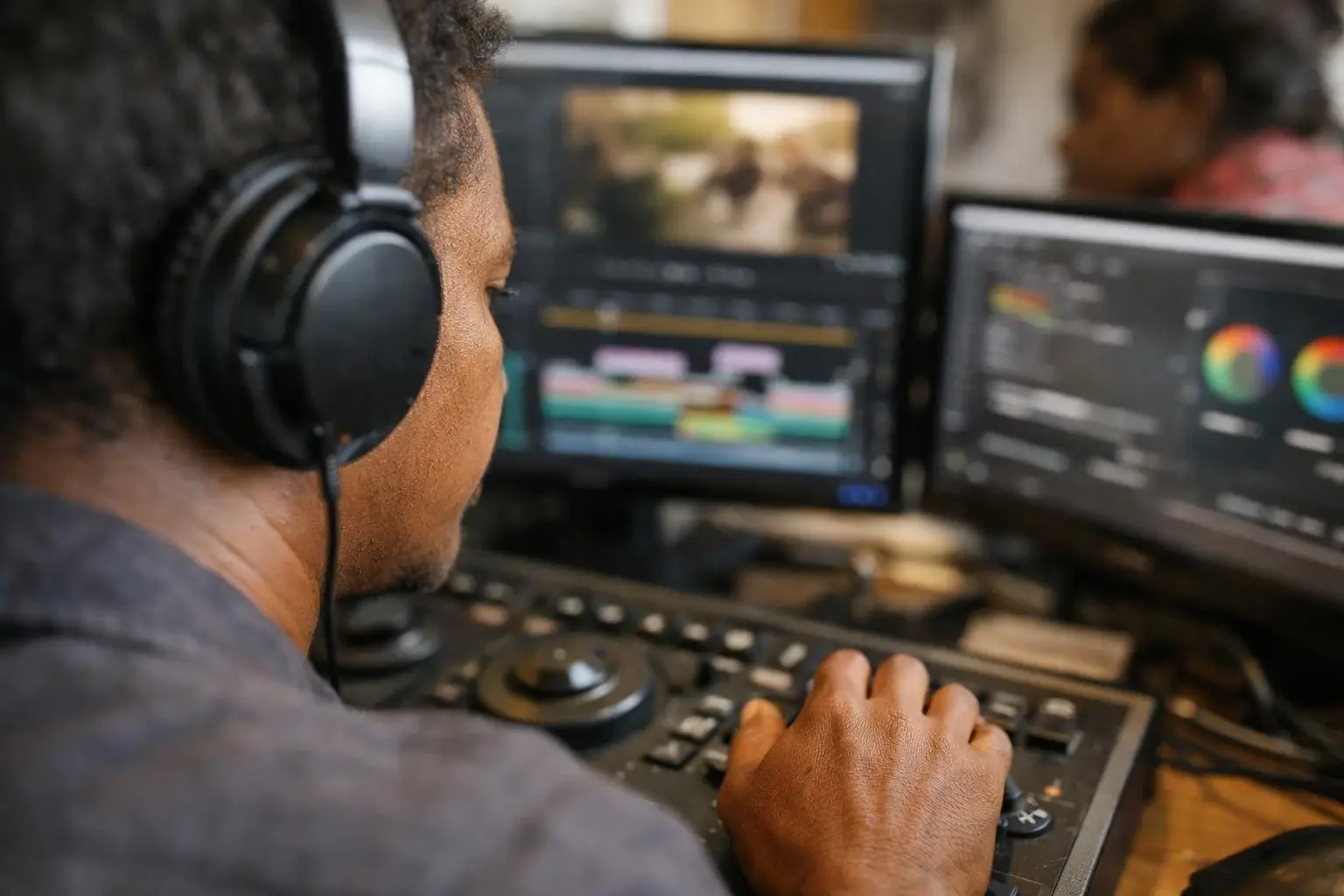
The post-production supervisor shapes the final quality of a film. Without good oversight, post-production can get messy.
Delays, budget problems. Or creative issues can pop up. Poor teamwork between sound and visual effects teams can cause mismatched scenes.
Missed deadlines can lead to costly fixes or lost chances to show the film. The supervisor’s work helps avoid these problems.
The supervisor’s work also affects the budget. Post-production is often the most expensive part of making a film.
This is especially true for projects with lots of visual effects. By managing budgets and timelines, the supervisor keeps costs under control.
This matters most for independent films or projects with tight budgets. Every dollar saved helps the project succeed.
The post-production supervisor’s role is key for tight deadlines. It’s also important for complex visual effects or many delivery formats.
A film might need versions for theaters, streaming. And TV. Each version has different needs. The supervisor makes sure all versions are ready on time.
Action films or sci-fi projects often need lots of visual effects. The supervisor works with many VFX studios. They blend all the work into the final cut.
The supervisor also helps when creative and technical teams don’t agree. A director might want an effect that costs too much.
The producer might want to cut costs. The supervisor finds a solution that works for both.
In projects with international teams, the supervisor keeps communication clear. They make sure quality stays high at every step.
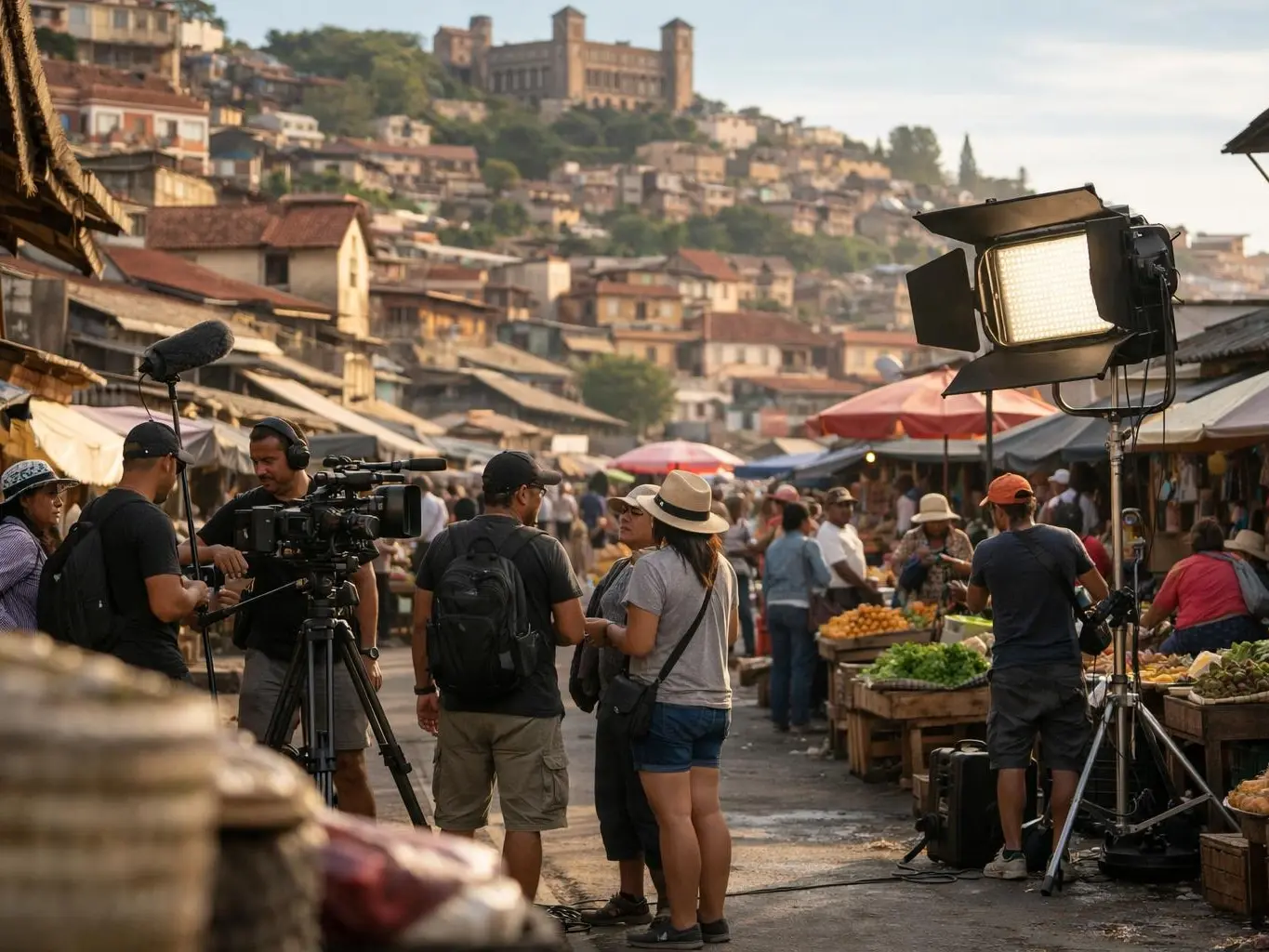
In Madagascar, many films use international crews and local teams. The supervisor helps bridge cultural and logistical gaps.
They plan carefully to handle time zones and language differences. They also deal with different technical standards. This ensures the project runs smoothly and meets global needs.
A film editor focuses on assembling footage and refining the story. While a post-production supervisor oversees the entire post-production process, including sound, effects. And final delivery.
A producer manages the overall production, including financing and logistics. While a post-production supervisor specializes in the technical and creative stages after filming.
A visual effects supervisor focuses solely on digital effects. While a post-production supervisor oversees all post-production tasks, including editing, sound. And color grading.
A skilled post-production supervisor doesn’t just manage schedules and budgets—they anticipate problems before they arise. For example, they might flag potential delays in visual effects early and adjust the timeline to avoid costly last-minute fixes. Their ability to balance creativity with practicality often determines whether a project succeeds or stumbles in post-production.
During the production of a wildlife documentary in Madagascar, the post-production supervisor coordinated between local editors and an international sound design team. They ensured the final cut met broadcast standards for both European and African markets. While also managing a tight budget for visual effects that enhanced the film’s storytelling without overspending.
Color grading is the process of adjusting and enhancing the color, contrast. And overall visual tone of film or video footage in post-production. Color grading refines raw footage to achieve a consistent look, evoke emotions.
Foley artist is foley artists are specialized sound professionals who create and record custom sound effects for films, television shows. And other media. Foley artists perform sounds synchronously with on-screen action—such as footsteps, rustling clothes.
PRO FIXERS MADAGASCAR
Contact PRO FIXERS MADAGASCAR for practical guidance on Post-production supervisor and related film production madagascar work in Madagascar.