Consultation
We discuss your project’s scope, locations, and requirements to create a tailored production plan.
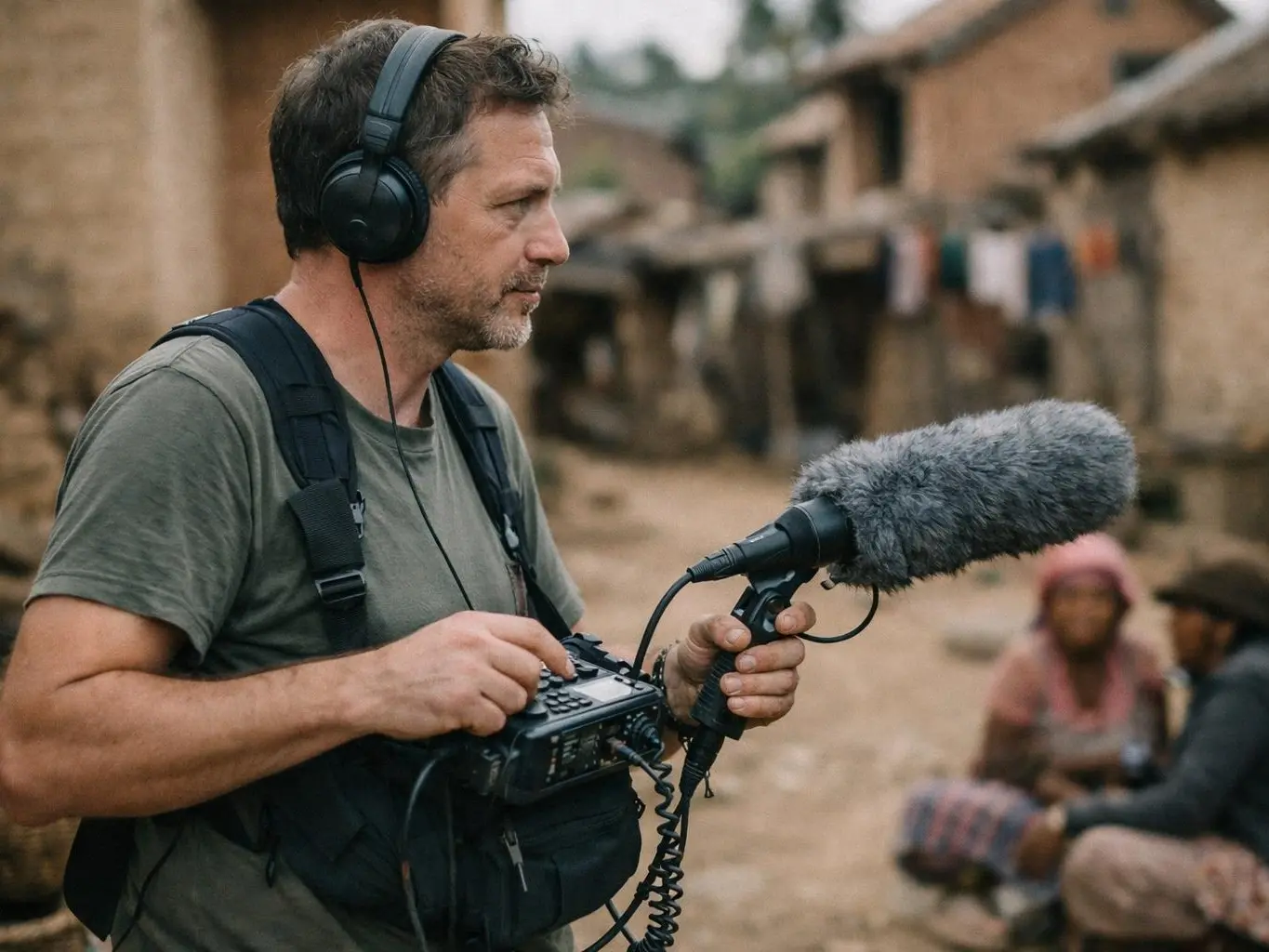
Nosy Be’s rainforests and rare wildlife need expert sound recording to match. We handle permits, logistics, and local coordination so your production sounds as stunning as it looks.
Nosy Be’s rainforests and marine reserves are home to rare species like lemurs and humpback whales. Their sounds are vital for documentaries, but humidity, wind, and remote locations make recording difficult. PRO FIXERS MADAGASCAR knows the best spots to capture clear audio without interference.
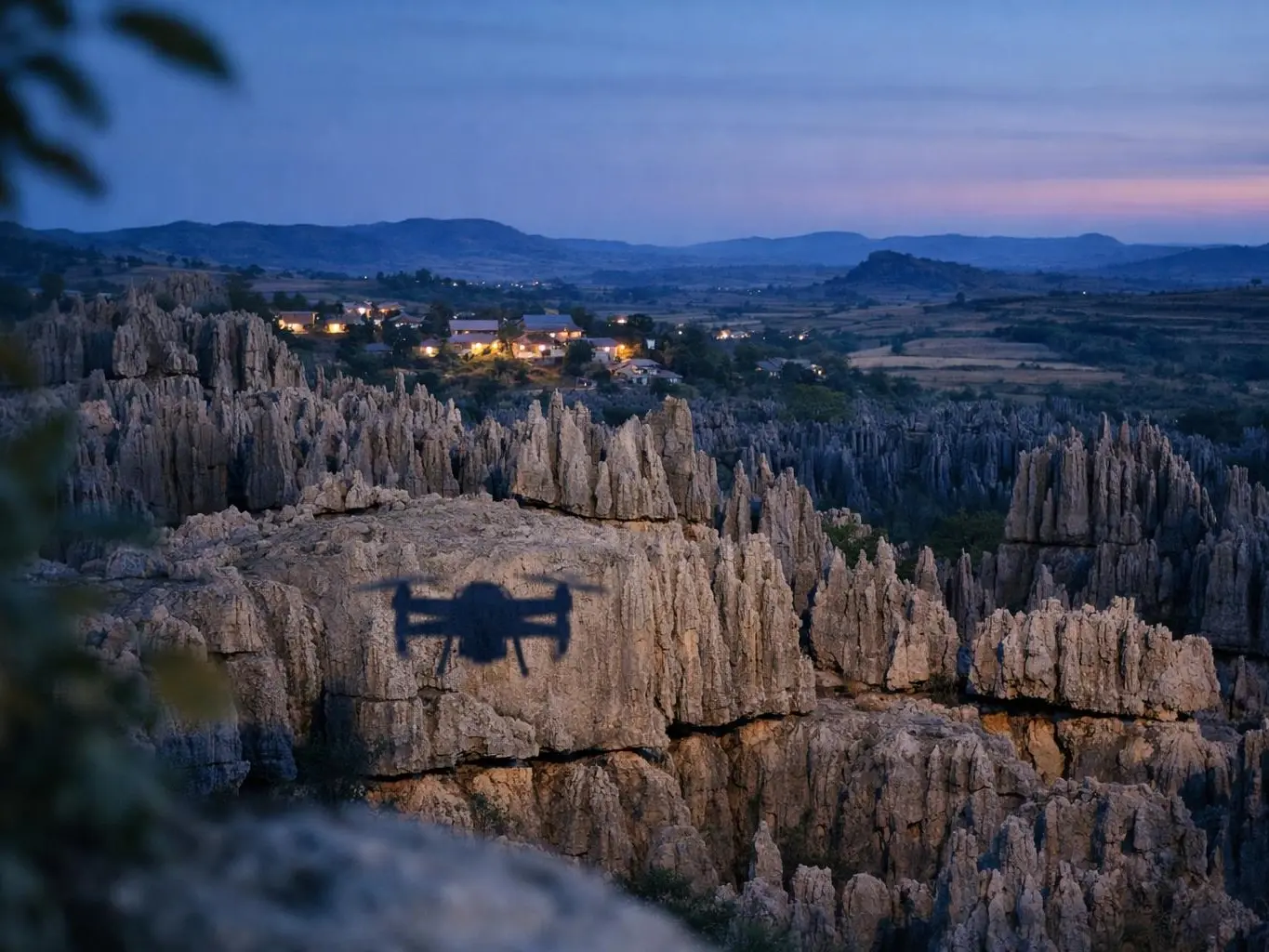
Filming in Madagascar’s national parks requires permits and local coordination. Our team handles everything from drone approvals to customs planning, so international crews avoid delays. We also work with rural communities, ensuring translators are available for interviews or narration in local dialects.
Results matter most. With our support, clients like BBC Earth and National Geographic have filmed award-winning documentaries in Nosy Be. We ensure every sound—from rustling leaves to whale songs—is captured crisply, no matter how remote the location.

Capture crystal-clear audio of lemurs, birds, and ocean waves in Nosy Be’s wild landscapes
In Nosy be, avoid permit delays with our authorized status from the Malagasy Cinema Office.
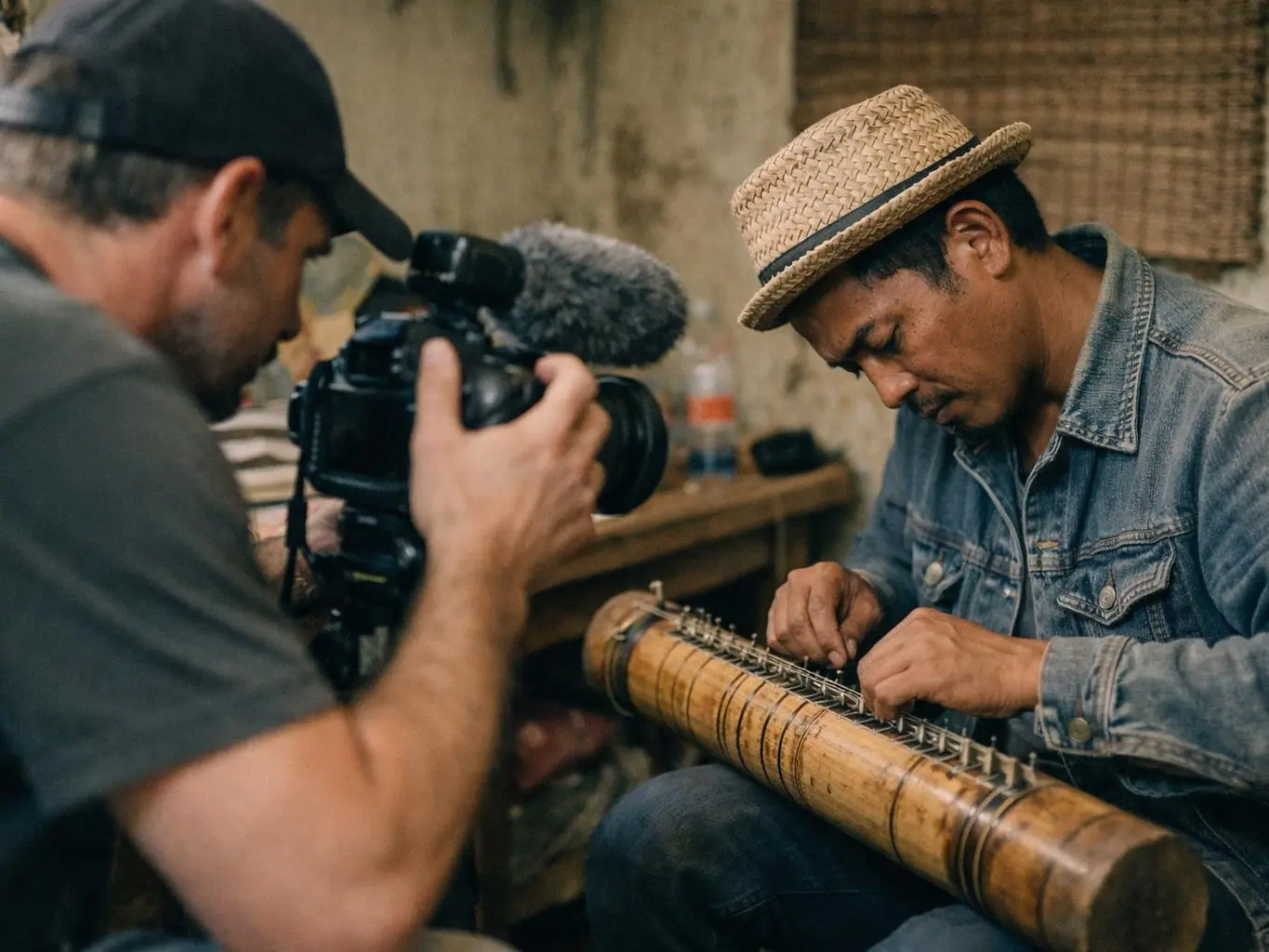
Work with local translators to include authentic voices from rural communities
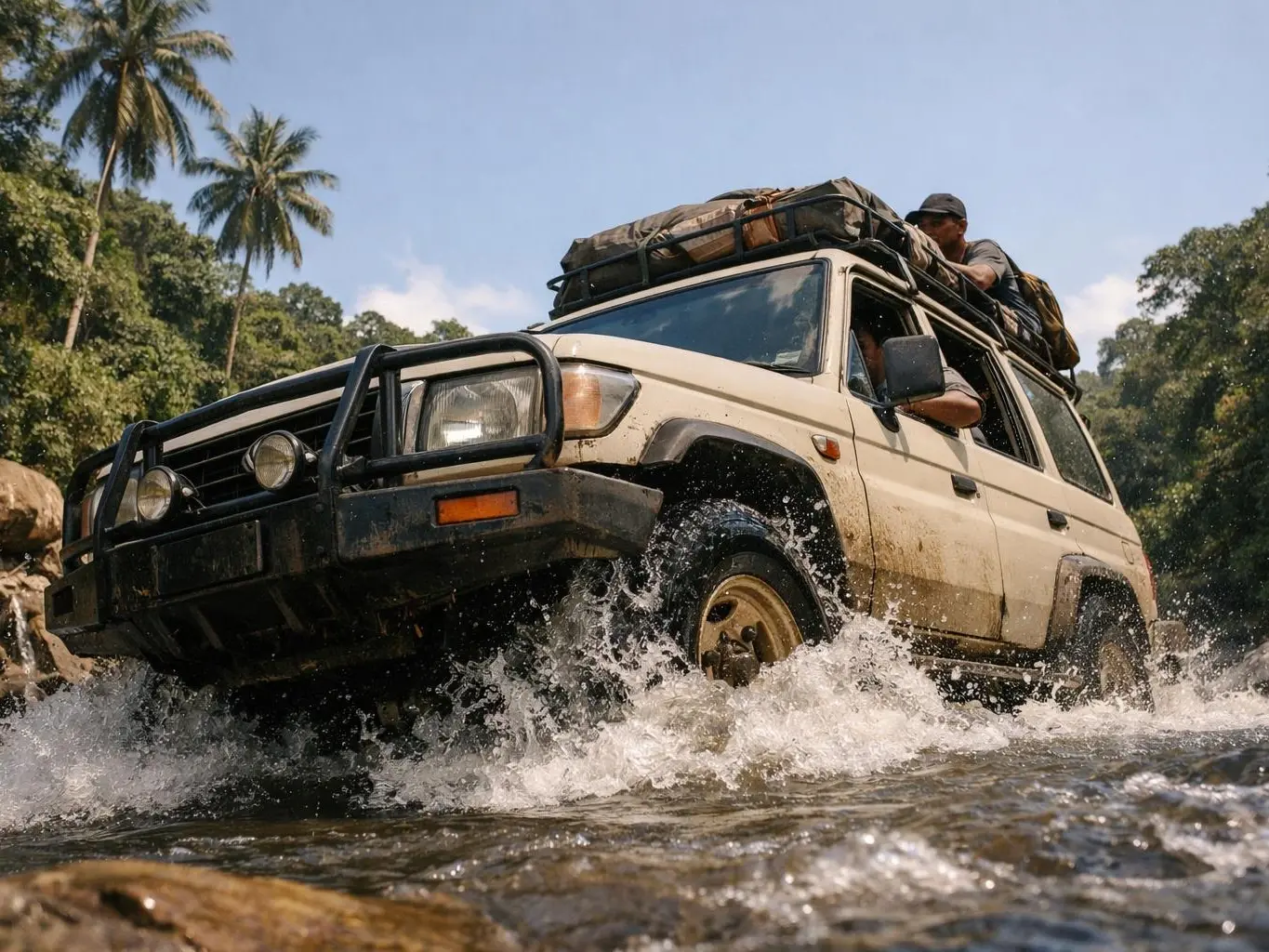
In Nosy be, access remote locations safely with our experienced wildlife guides.
In Nosy be, keep productions on schedule with seamless logistics and customs support.
In Nosy be, ensure compliance with Madagascar’s filming regulations, including drone laws.
PRO FIXERS MADAGASCAR provides comprehensive Sound Recording Services in Nosy be. Here's what you get:
Nosy Be’s remote locations and protected wildlife require more permits than typical filming destinations. Urban areas like Antananarivo have fewer restrictions, but rural shoots demand local guides and government approvals. Madagascar’s climate also means gear must handle humidity and wind, unlike drier filming locations.
We tell you upfront what government authorizations cost in Nosy Be. No surprises or extra charges for national park access or drone approvals. Transparency keeps your budget on track.
Nosy Be’s rural communities speak dialects most crews don’t understand. Our translators ensure interviews and narration are clear and culturally accurate. No lost meaning or awkward retakes.
In Nosy be, humidity and wind ruin audio in Madagascar’s rainforests. We use specialized microphones and windshields to capture clean sound, even in tough conditions. Your recordings won’t be muffled or distorted.
Lemurs and other species are sensitive to noise. We coordinate with local guides to record without disturbing wildlife, keeping shoots ethical and stress-free. No fines or environmental harm.
In Nosy be, bringing equipment into Madagascar can be a hassle. We handle customs paperwork so your gear clears Ivato Airport quickly. No delays or last-minute scrambling.
We discuss your project’s scope, locations, and requirements to create a tailored production plan.
We submit and track all necessary permits, including government approvals and national park access.
We arrange transportation, equipment, crew, and accommodations to meet your shoot’s unique demands.
Our team manages daily operations, troubleshooting challenges so your production stays on schedule.
A National Geographic crew needed to record lemur calls in Lokobe Reserve but faced humidity and permit delays.
PRO FIXERS MADAGASCAR secured park access, provided moisture-resistant microphones, and coordinated with local guides to avoid disturbing wildlife.
The crew captured clear audio of rare species, and the documentary aired globally without post-production audio issues.
Industry data shows productions with local support complete shoots 30% faster than those handling logistics alone.
A tourism board wanted underwater soundscapes of humpback whales but lacked permits and equipment.
We arranged drone approvals for aerial shots, provided hydrophones, and coordinated with local fishermen for safe whale encounters.
The commercial featured immersive audio, and the client praised the seamless coordination in remote locations.
Research indicates that high-quality audio increases viewer engagement by up to 40% in travel content.
PRO FIXERS MADAGASCAR uses this section to explain what customers should verify before moving ahead with Sound Recording Services, especially when local conditions in Nosy be can change the right next step.
Start by defining what outcome Sound Recording Services needs to deliver before comparing providers or methods.
Ask which workflow, framework, or standards guide Sound Recording Services decisions for customers in Nosy be.
Use local access, property mix, business density, and seasonal conditions in Nosy be to judge the right approach.
Nosy Be’s wildlife and landscapes deserve professional sound recording. Let’s handle the permits, logistics, and local coordination so your production stands out.
Contact Us Today“A production crew in Nosy be, Madagascar captures rare lemur vocalizations at dawn, but intermittent signal loss corrupts hours of raw audio. Downtime risks missing the brief seasonal window for filming. PRO FIXERS MADAGASCAR isolates interference sources—humidity, power fluctuations, or local radio transmissions—before re-recording. A containment plan ensures backup equipment is positioned and tested within the same microclimate zone.”
“A travel campaign shoots on Nosy be’s isolated beaches, where generators struggle with salt corrosion and inconsistent voltage. Sound recording services require stable power for high-end microphones and digital recorders. PRO FIXERS MADAGASCAR assesses generator placement, cable routing, and battery backup solutions, while securing permits for temporary power installations in protected coastal zones.”
“A conservation NGO prepares to film endangered species in Nosy be’s Lokobe Reserve and needs verified sound clarity before committing to a multi-week shoot. PRO FIXERS MADAGASCAR conducts a site survey, tests ambient noise levels, and documents equipment performance in dense rainforest conditions. Transparent next steps include a written report with risk mitigation strategies for humidity and wildlife disruptions.”