Film permit is film permits are official documents issued by government authorities that grant legal permission to film crews to conduct production activities in specific public or private locations. They ensure compliance with local laws, protect locations from unauthorized use. And outline conditions such as filming hours, equipment restrictions.
Category
Legal and regulatory requirement
Used for
Filming in public spaces, protected areas. Or private properties
Common confusion
Often mistaken for location agreements, which cover private property rights
Also called
filming permit, production permit
Often discussed with
Film permit Application service
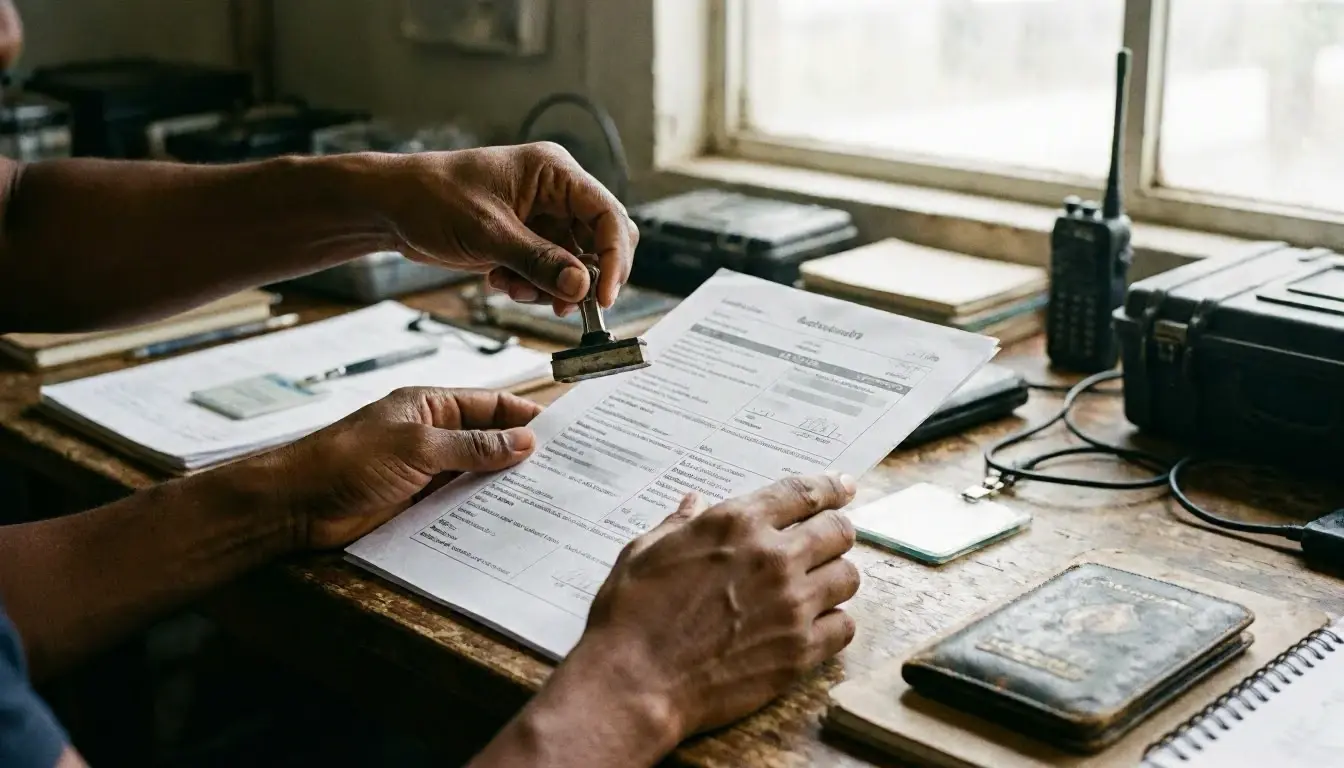
Film permits are legal papers from the government. They let film crews work in certain places. These permits help keep filming from causing problems. They stop disruptions, property damage. And lawbreaking.
Related glossary terms: Commercial filming permit, Film commission, Environmental impact assessment.
You usually need a permit to film in public spots. These include streets, parks, beaches. And government buildings. You also need one for special places like national parks or historical sites. These spots need extra care.
Without a permit, crews can get in big trouble. They might face fines or lose their gear. Police could even shut them down. Permits also help crews work with local services. This cuts down on problems for people who live and work nearby.
The permit process changes by place. But it usually means filling out forms and paying fees. You'll need to say what you're filming and when. Sometimes, you'll need extra checks. These might look at the environment or cultural concerns.
To get a permit, first pick where you'll film. Then, apply to the right office. Your application should list filming dates and times. It should also say how many crew members you have.
Tell them about your gear and any special needs. This includes drones or stunts. Officials will check your application. They want to make sure you follow local rules and stay safe.
If they approve it, you'll get a permit. This paper tells you what you can and can't do. It might say when you can film or how loud you can be. For example, you might only film during the day in a neighborhood.
Sometimes, you'll need to show insurance or hire security. If you don't follow the rules, you could lose your permit. You might also face fines or other penalties.
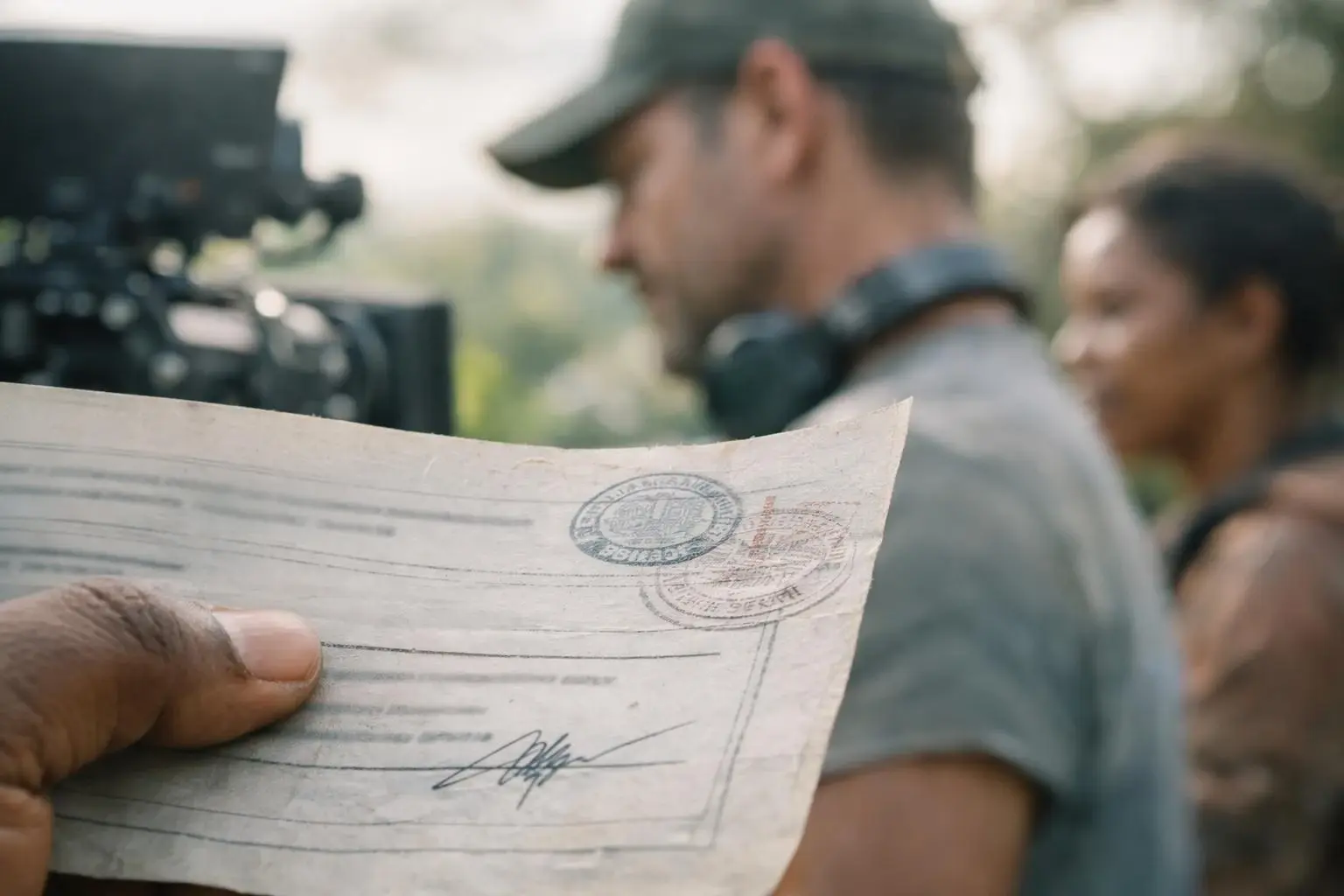
Film permits help balance filming needs with community rights. They stop crews from filming without permission. This protects people's privacy and property. It also keeps public services running smoothly.
Permits keep productions on the right side of the law. Without one, crews risk fines or lawsuits. They might even get shut down. This can delay projects and cost more money.
Permits also help things run more smoothly. They give crews access to public spaces. They also help them work with local services. For example, a permit might include road closures or police help.
Many permits also protect the environment and culture. They make sure filming doesn't harm nature or offend traditions. This keeps everyone happy and safe.
Permits matter most when filming affects safety or privacy. They're key for drone work, stunts. Or big crowds. Permits make sure these activities follow safety rules.
They're also important in protected places. These include national parks or historical sites. Filming without a permit can cause lasting damage.
If you're filming in another country, get permits early. Some places have strict rules. Delays can cause costly changes or even cancellations.
Permits are also needed for funding or insurance. Many backers want proof you're legal. Without a permit, insurance can cost more. You might even get turned down.
A location release is a legal agreement between a production and a property owner, granting permission to film on private property. Unlike a film permit, it does not involve government authorities and focuses on property rights rather than public regulations.
Film insurance provides financial protection against risks such as equipment damage, injuries. Or production delays. While insurance is often required to obtain a film permit, it does not replace the legal authorization provided by the permit itself.
Film permits are not just bureaucratic formalities—they often include hidden requirements like local crew hiring, environmental safeguards. Or cultural sensitivity training. Always review the fine print and budget extra time for unexpected conditions, especially in regions with complex regulations like Madagascar.
A documentary crew planning to film in Madagascar’s Andasibe-Mantadia National Park must obtain a film permit from the Ministry of Environment and Sustainable Development. The permit outlines conditions such as hiring a local guide, limiting crew size. And avoiding disturbance to wildlife. Without the permit, the crew risks fines or expulsion from the park.
Commercial filming permit is commercial filming permits are official authorizations issued by government or local authorities allowing professional film crews to record video, photography. Or sound for paid projects in regulated areas. These permits ensure legal compliance, public safety.
Film commissions are groups backed by governments or non-profits. They help film, TV. And media projects in a place. They give permits, find locations, offer tax breaks. And help with logistics. They also suggest local crews. This brings jobs and tourists to the area.
Environmental impact assessment is a formal process used to identify, predict. And evaluate the potential environmental effects of a proposed project before decisions are made. It examines factors like biodiversity, water quality, air pollution.
Drone certification is a legal check. It shows a pilot can fly safely. Pilots take tests on rules and skills. They learn how to handle emergencies. This keeps people and places safe.
Film insurance is a specialized type of coverage designed to protect film productions from financial losses due to accidents, equipment damage, liability claims. Or unforeseen disruptions. Film insurance policies typically cover risks such as on-set injuries, property damage, theft, natural disasters.
PRO FIXERS MADAGASCAR
Contact PRO FIXERS MADAGASCAR for practical guidance on Film permit and related film production madagascar work in Madagascar.