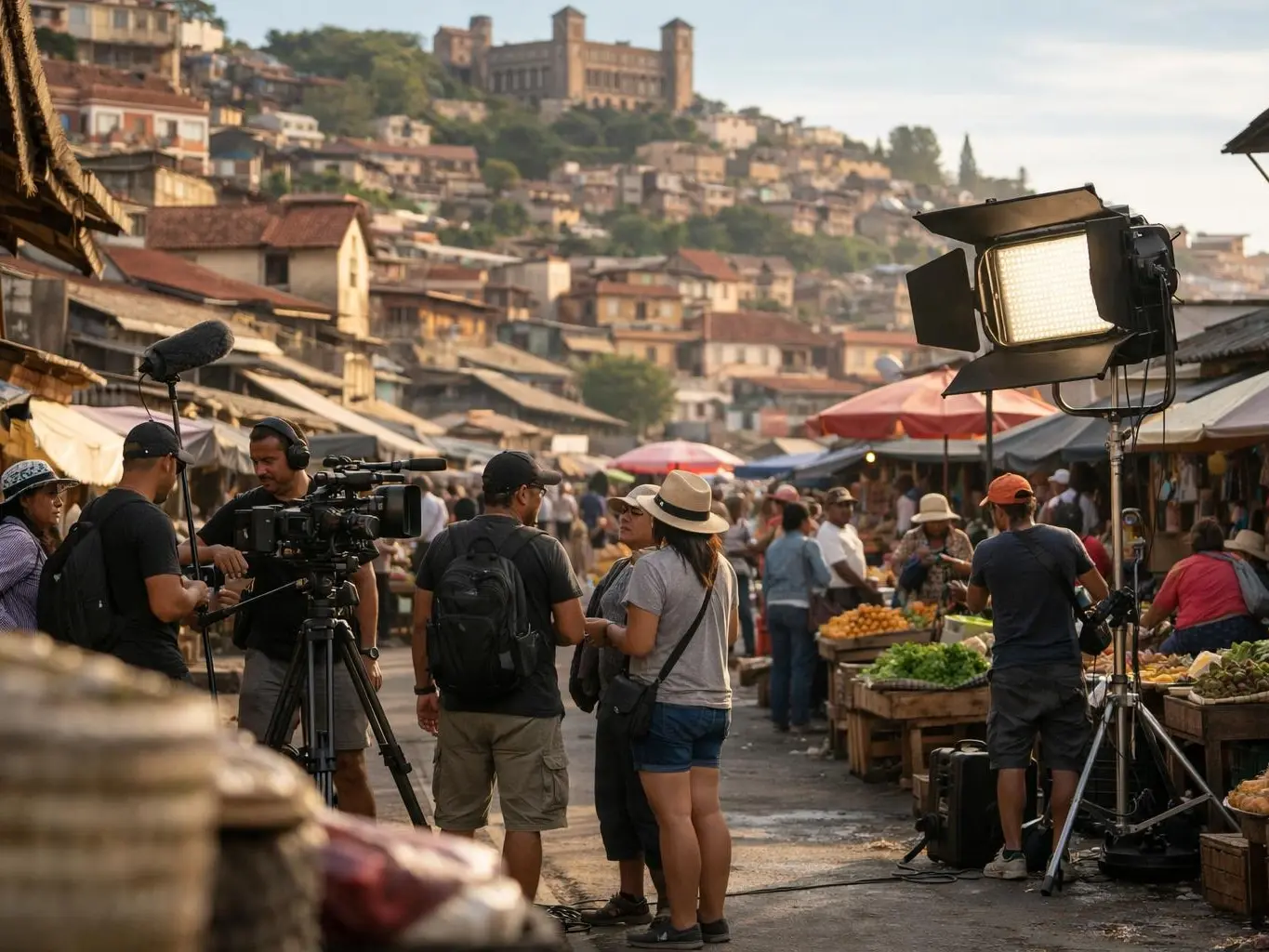
Environmental impact assessment is a formal process used to identify, predict. And evaluate the potential environmental effects of a proposed project before decisions are made. It examines factors like biodiversity, water quality, air pollution.
Category
Regulatory compliance process
Used for
Film permits, construction, mining. And infrastructure projects
Common confusion
Often mistaken for a simple checklist. But involves scientific studies and public input
Also called
EIA, Environmental Impact Statement
Often discussed with
Film permit Application service, Nature and landscape film productions
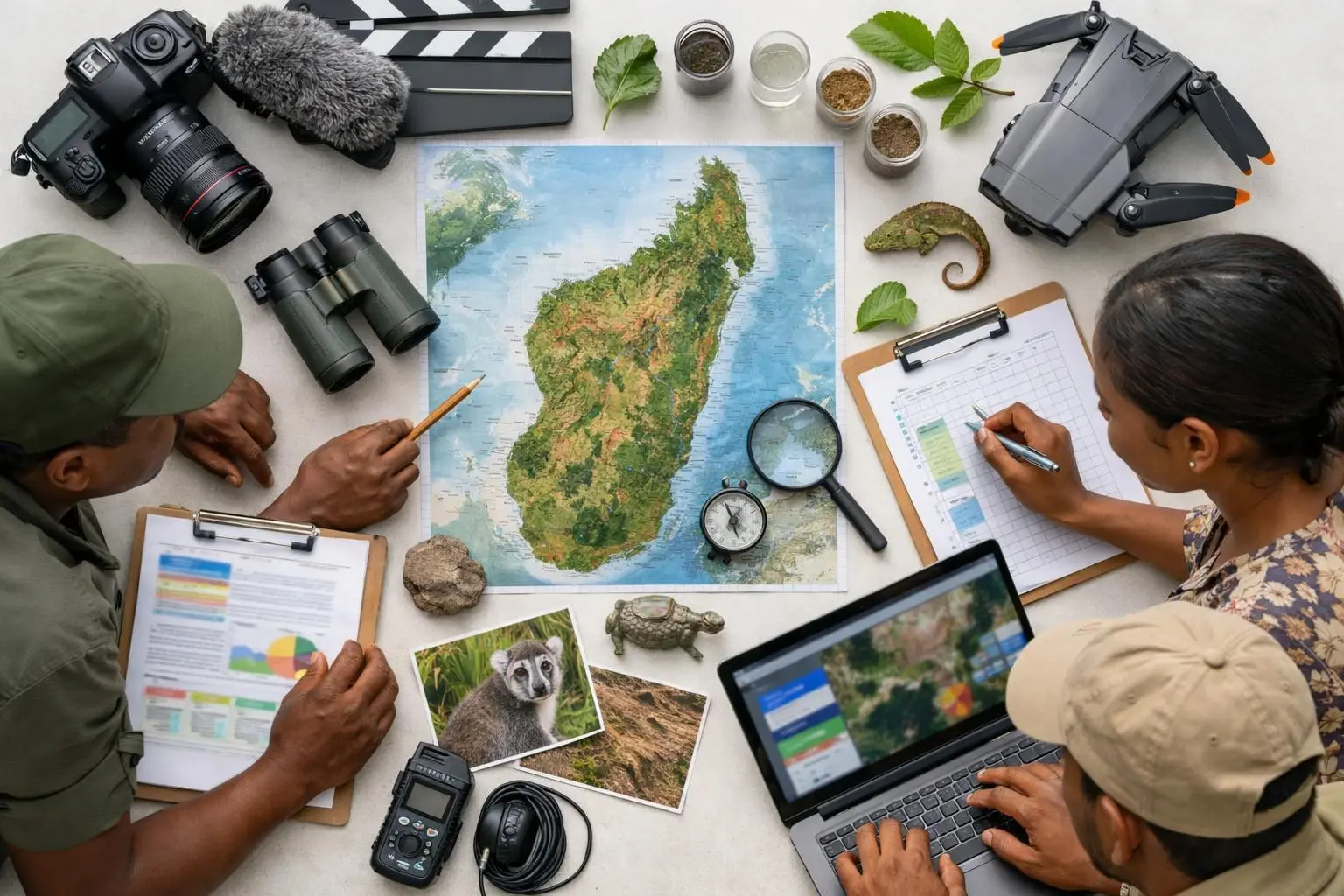
An environmental impact assessment (EIA) checks how a project affects nature. It looks at wildlife, water, air. And nearby communities. In Madagascar, ecosystems are unique and fragile. So EIAs help balance development with conservation.
Related glossary terms: Film permit, Wildlife filming ethics, Commercial filming permit.
The process starts before any work begins. It continues through planning and approval. EIAs aren't optional for many projects, like big film shoots. They're required by national laws and often by funders. The goal isn't to stop projects but to make them responsible.
This protects nature and teams from legal risks. It also prevents surprise costs and bad press.
The EIA process has clear steps. First, screening checks if a project needs an EIA. It looks at size, location. And risks. If needed, scoping finds key issues to study. These might include soil erosion or harm to lemurs.
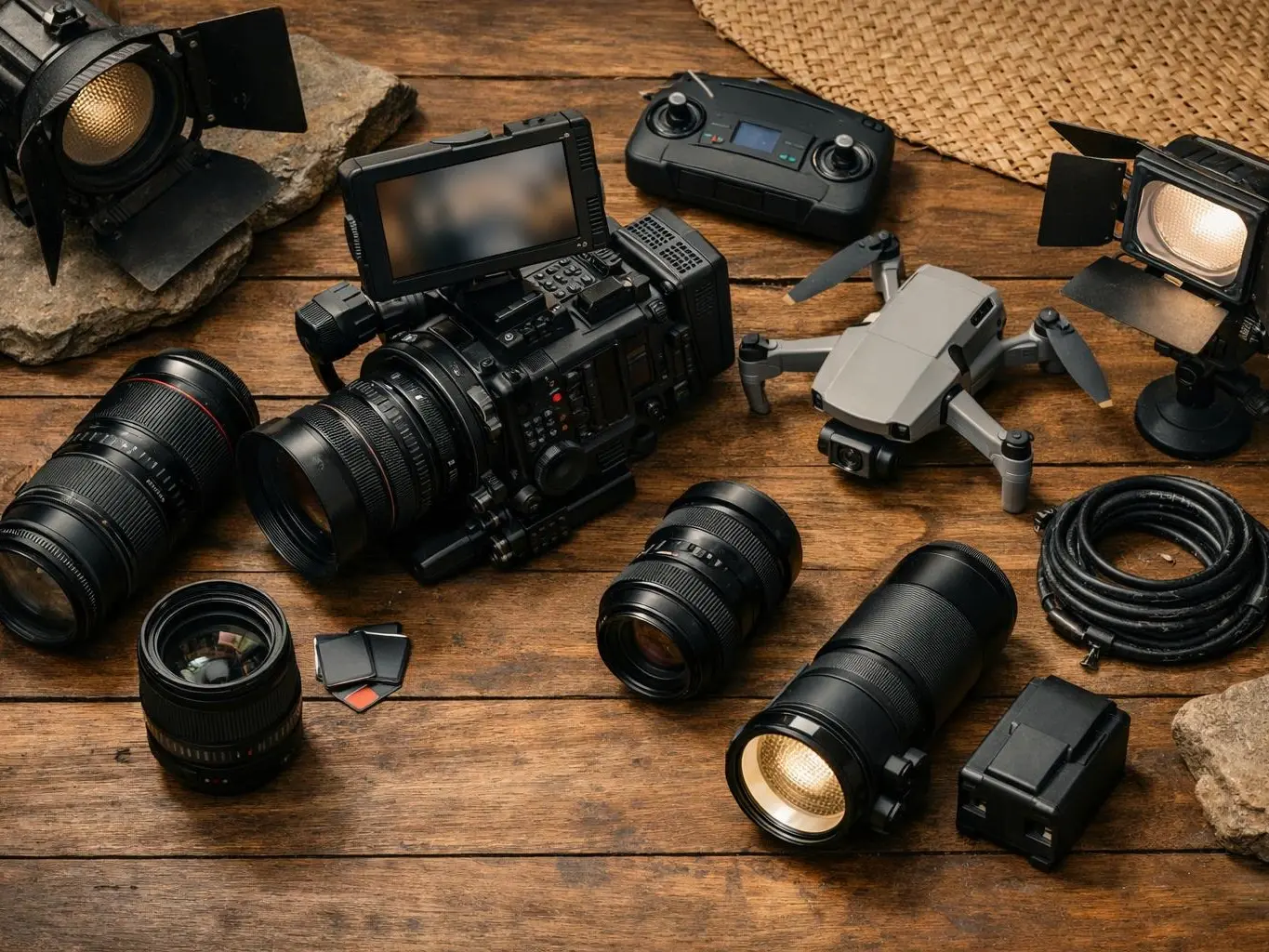
Experts, locals. And agencies help set study boundaries. Next, specialists collect data and predict impacts. For film crews, this could mean checking drone flights near bird nests. It might also look at generator noise affecting wildlife.
The findings go into an Environmental Impact Statement. This report lists effects and ways to reduce them. Authorities review it and ask for public comments. Then they make a final decision.
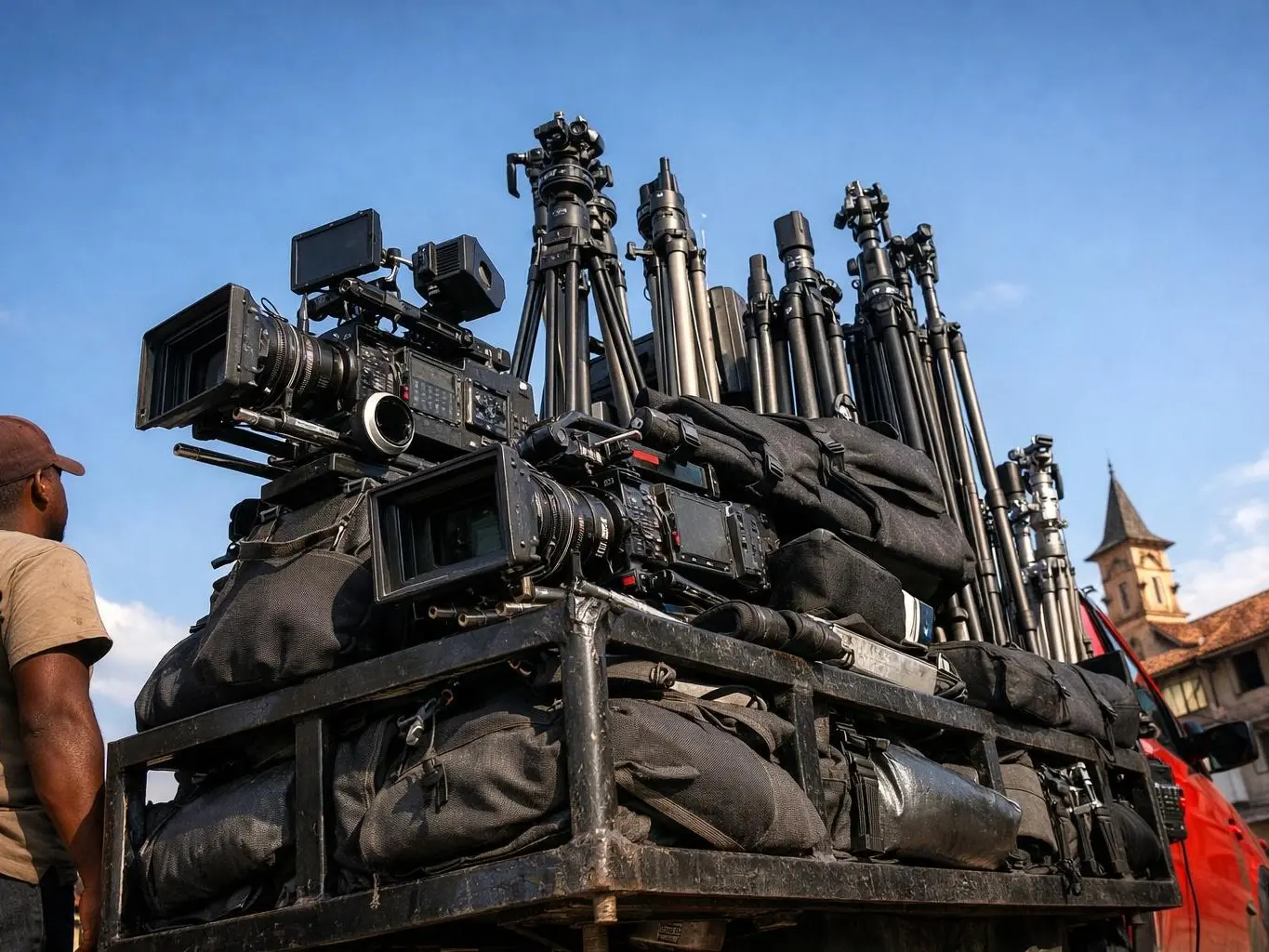
After approval, the project must follow the plan. This could mean filming only at certain hours. It might require using biodegradable materials. Or crews may need to restore plants they disturb. Monitoring ensures they follow the rules. If problems come up, the plan can change.

EIAs matter because they stop permanent harm. In Madagascar, over 90% of wildlife lives nowhere else. Unchecked projects can threaten species and local jobs. For films, EIAs help capture beauty without destroying it.
They also protect crews from legal trouble. Without an EIA, filming in protected areas can lead to fines. Projects might face delays or bans. But beyond rules, EIAs build trust with locals and viewers.
Showing care for the environment helps projects. Authorities, NGOs. And audiences support responsible films. This can boost reputation and lead to more work. It's especially true for stories about conservation.
EIAs are key for projects in sensitive areas. These include parks, wetlands. Or places with endangered species. In Madagascar, that means spots like Andasibe-Mantadia or Isalo. Even small shoots may need an EIA if they use drones or big crews.
Timing is important too. Starting the EIA early avoids last-minute problems. Projects that skip it risk fines or denied permits. They might also face bad publicity. Filming without approval can mean losing equipment or legal trouble.
EIAs also matter when working with international groups. Many funders want proof of environmental care. This ensures the final product meets ethical standards. Those standards matter more and more to global viewers.
An Environmental impact assessment predicts potential effects before a project starts. While an Environmental management plan outlines specific actions to manage those effects during and after the project.
Wildlife filming ethics focus on ethical treatment of animals during filming. While an EIA assesses broader environmental impacts, including habitats, water. And communities.
In Madagascar, EIAs are not just paperwork—they reflect the country’s commitment to protecting its unique biodiversity. Skipping or rushing the process can lead to legal trouble. But a well-prepared EIA can also uncover opportunities to enhance a production’s storytelling through conservation partnerships.
A documentary crew planning to film lemurs in Ranomafana National Park must complete an Environmental impact assessment before receiving a filming permit. The EIA identifies risks like noise from drones disturbing lemur behavior and proposes solutions such as limiting flight times and using quiet equipment. After approval, the crew follows the mitigation plan and submits monitoring reports to park authorities.
Film permit is film permits are official documents issued by government authorities that grant legal permission to film crews to conduct production activities in specific public or private locations. They ensure compliance with local laws, protect locations from unauthorized use. And outline conditions such as filming hours, equipment restrictions.
Wildlife filming ethics is the set of moral principles and guidelines that govern how filmmakers interact with animals and their habitats during production. It ensures minimal disturbance to wildlife, prioritizes animal welfare, avoids misrepresentation.
Commercial filming permit is commercial filming permits are official authorizations issued by government or local authorities allowing professional film crews to record video, photography. Or sound for paid projects in regulated areas. These permits ensure legal compliance, public safety.
A drone flight plan is a set path a drone flies. It has spots to go, how high, how fast. And where the camera points. It also has safety checks. This makes sure flights are safe and follow laws. It helps pilots miss things in the way and use battery well.
Cultural sensitivity training is a structured learning process designed to help individuals recognize, understand. And respect the beliefs, values, customs. And social norms of cultures different from their own. It aims to reduce misunderstandings, avoid offensive behaviors. And foster inclusive interactions in professional, social.
PRO FIXERS MADAGASCAR
Contact PRO FIXERS MADAGASCAR for practical guidance on Environmental impact assessment and related film production madagascar work in Madagascar.