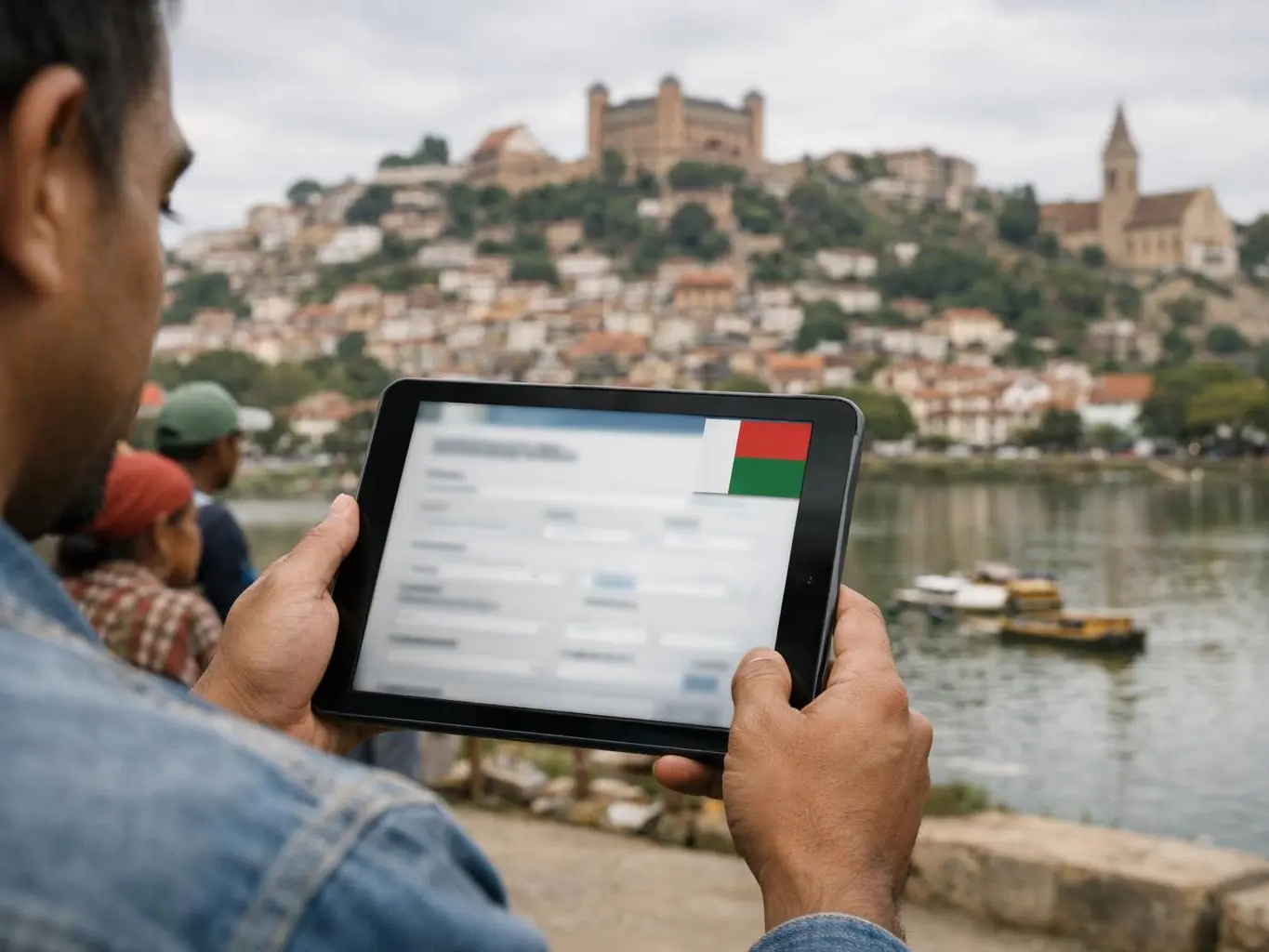
Wildlife filming ethics is the set of moral principles and guidelines that govern how filmmakers interact with animals and their habitats during production. It ensures minimal disturbance to wildlife, prioritizes animal welfare, avoids misrepresentation.
Category
Environmental and film production ethics
Used for
Documentaries, nature films. And conservation storytelling
Common confusion
Equating dramatic footage with ethical filming
Also called
Ethical wildlife filming, Responsible wildlife cinematography
Often discussed with
Wildlife documentary Productions
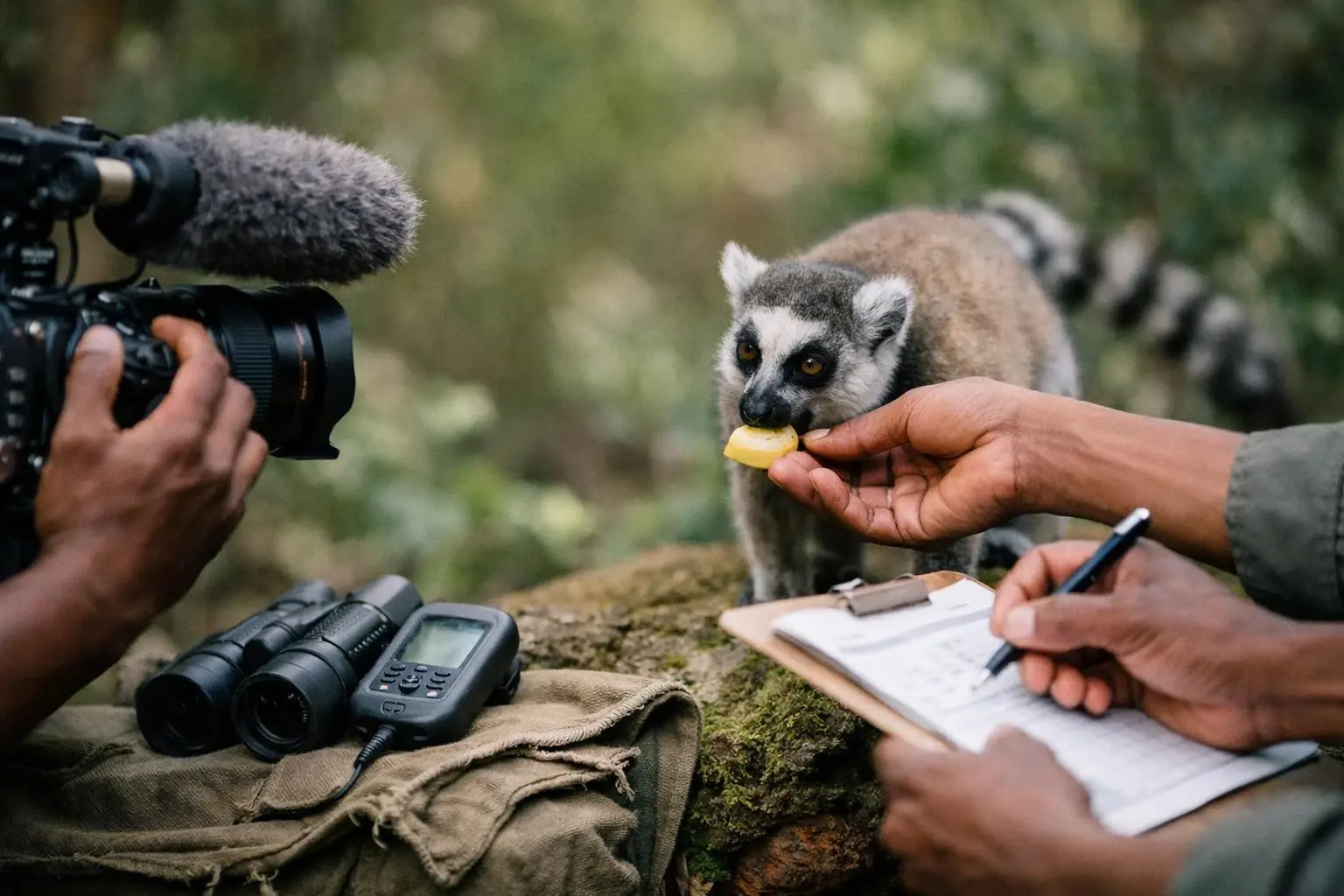
Wildlife filming ethics refers to the responsible practices filmmakers follow when capturing animals and their environments on camera. These ethics ensure that wildlife is not harmed, stressed. Or misrepresented for the sake of entertainment or storytelling. At its core, wildlife filming ethics prioritizes the well-being of animals and the preservation of their natural behaviors and habitats. This means avoiding actions that could disrupt feeding, mating, nesting. Or migration patterns, which are critical to the survival of species.
Related glossary terms: Documentary filmmaking, Environmental impact assessment, Cultural sensitivity training.
Ethical wildlife filming also extends to the accuracy of the content produced. Filmmakers must avoid staging or manipulating scenes in ways that distort reality, such as forcing animals into unnatural interactions or using captive animals to represent wild ones. Misrepresentation can lead to public misunderstanding of wildlife and conservation issues, which can have long-term consequences for both animals and ecosystems. And ethical guidelines encourage filmmakers to collaborate with scientists, conservationists. And local communities to ensure their work supports broader efforts to protect wildlife.
Wildlife filming ethics operates through a combination of guidelines, industry standards. And legal regulations. Organizations such as the International Union for Conservation of Nature (IUCN) and the BBC Natural History Unit have developed best practices that outline how filmmakers should interact with wildlife. These guidelines often include recommendations for maintaining a safe distance from animals, using long lenses to avoid intrusion. And limiting the time spent in sensitive habitats. Filmmakers may also work with wildlife experts to assess the potential impact of their presence on animals and adjust their methods accordingly.
Measurement of ethical compliance can be subjective. But it often involves self-assessment by filmmakers and third-party reviews. For example, productions may be evaluated based on their adherence to conservation goals, the accuracy of their portrayal of wildlife. And their efforts to cut down on environmental impact. Some film festivals and broadcasters require submissions to include a statement on ethical practices, which can serve as a form of accountability. And legal frameworks in many countries, including Madagascar, require permits for wildlife filming, which often include conditions to protect animals and their habitats.
In practice, ethical wildlife filming involves careful planning and execution. Filmmakers may scout locations in advance to identify potential risks to wildlife and develop strategies to mitigate them. They may also use remote cameras or drones to capture footage without direct human presence, reducing the likelihood of disturbance. Post-production editing must also adhere to ethical standards, ensuring that any enhancements or cuts don't mislead viewers about the natural behavior of animals.
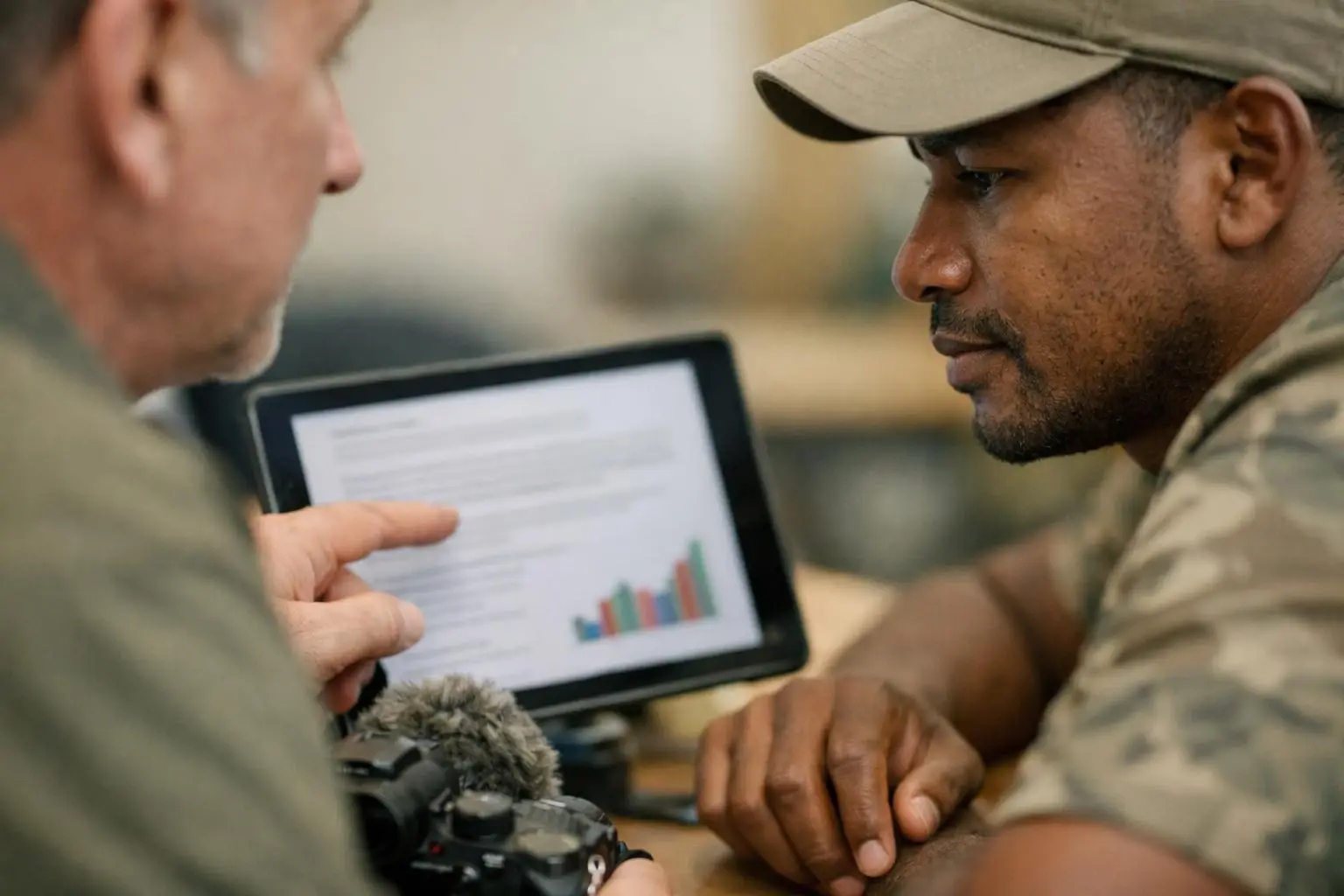
Wildlife filming ethics matters because it directly impacts the survival of species and the health of ecosystems. Irresponsible filming practices can cause stress to animals, disrupt their natural behaviors. And even lead to injury or death. For example, getting too close to nesting birds can cause them to abandon their eggs. While loud noises or bright lights can scare animals away from critical feeding grounds. These disruptions can have cascading effects on entire ecosystems, particularly in fragile environments like those found in Madagascar, where unique species are already threatened by habitat loss and climate change.
Beyond environmental concerns, ethical wildlife filming also protects the credibility of filmmakers and the media industry. Audiences trust documentaries and nature films to provide accurate representations of wildlife. And misrepresentation can erode that trust. Ethical practices help ensure that storytelling remains truthful and educational, building a deeper understanding of conservation issues among viewers. This, in turn, can inspire support for conservation efforts and influence public policy to protect wildlife and habitats.
Wildlife filming ethics is particularly critical in situations where animals are vulnerable or habitats are fragile. For example, filming during breeding seasons, migration periods. Or in protected areas requires extra caution to avoid disrupting critical life processes. In Madagascar, this includes filming lemurs, chameleons. And other endemic species that are already under threat from deforestation and illegal wildlife trade. Filmmakers must also be mindful of cultural sensitivities, as local communities may have traditional beliefs or practices related to wildlife that should be respected.
Ethics also come into play when filming species that are dangerous or highly sensitive to human presence. In these cases, filmmakers must weigh the risks to both the animals and the crew, often opting for remote filming techniques or working with trained wildlife handlers. And ethical considerations are heightened when filming for commercial purposes, such as advertisements or entertainment, where the pressure to create dramatic or engaging content can lead to unethical practices. Finally, ethical guidelines are essential when working in collaboration with conservation organizations, as the footage may be used to advocate for policy changes or funding for protection efforts.
An environmental impact assessment evaluates the potential effects of a project on ecosystems. While wildlife filming ethics focuses specifically on the moral responsibilities of filmmakers toward animals and habitats.
Cultural sensitivity training addresses respect for human communities and traditions, whereas wildlife filming ethics centers on the treatment of animals and ecosystems.
Ethical wildlife filming isn’t just about avoiding harm—it’s about actively contributing to conservation. The best productions leave habitats better than they found them, whether through funding, education.
During a documentary shoot in Madagascar’s rainforests, a film crew followed ethical guidelines by maintaining a safe distance from a group of indri lemurs. Instead of approaching the animals, they used long lenses and remote cameras to capture natural behaviors without causing stress. The crew also collaborated with local conservationists to ensure their presence supported ongoing protection efforts for the lemurs’ habitat.
Documentary filmmaking is a non-fiction filmmaking process that captures real-life events, people, places. Or issues to educate, inform. Or raise awareness. Unlike fictional films, it relies on factual content, interviews, archival footage.
Environmental impact assessment is a formal process used to identify, predict. And evaluate the potential environmental effects of a proposed project before decisions are made. It examines factors like biodiversity, water quality, air pollution.
Cultural sensitivity training is a structured learning process designed to help individuals recognize, understand. And respect the beliefs, values, customs. And social norms of cultures different from their own. It aims to reduce misunderstandings, avoid offensive behaviors. And foster inclusive interactions in professional, social.
Drone certification is a legal check. It shows a pilot can fly safely. Pilots take tests on rules and skills. They learn how to handle emergencies. This keeps people and places safe.
Film permit is film permits are official documents issued by government authorities that grant legal permission to film crews to conduct production activities in specific public or private locations. They ensure compliance with local laws, protect locations from unauthorized use. And outline conditions such as filming hours, equipment restrictions.
PRO FIXERS MADAGASCAR
Contact PRO FIXERS MADAGASCAR for practical guidance on Wildlife filming ethics and related film production madagascar work in Madagascar.