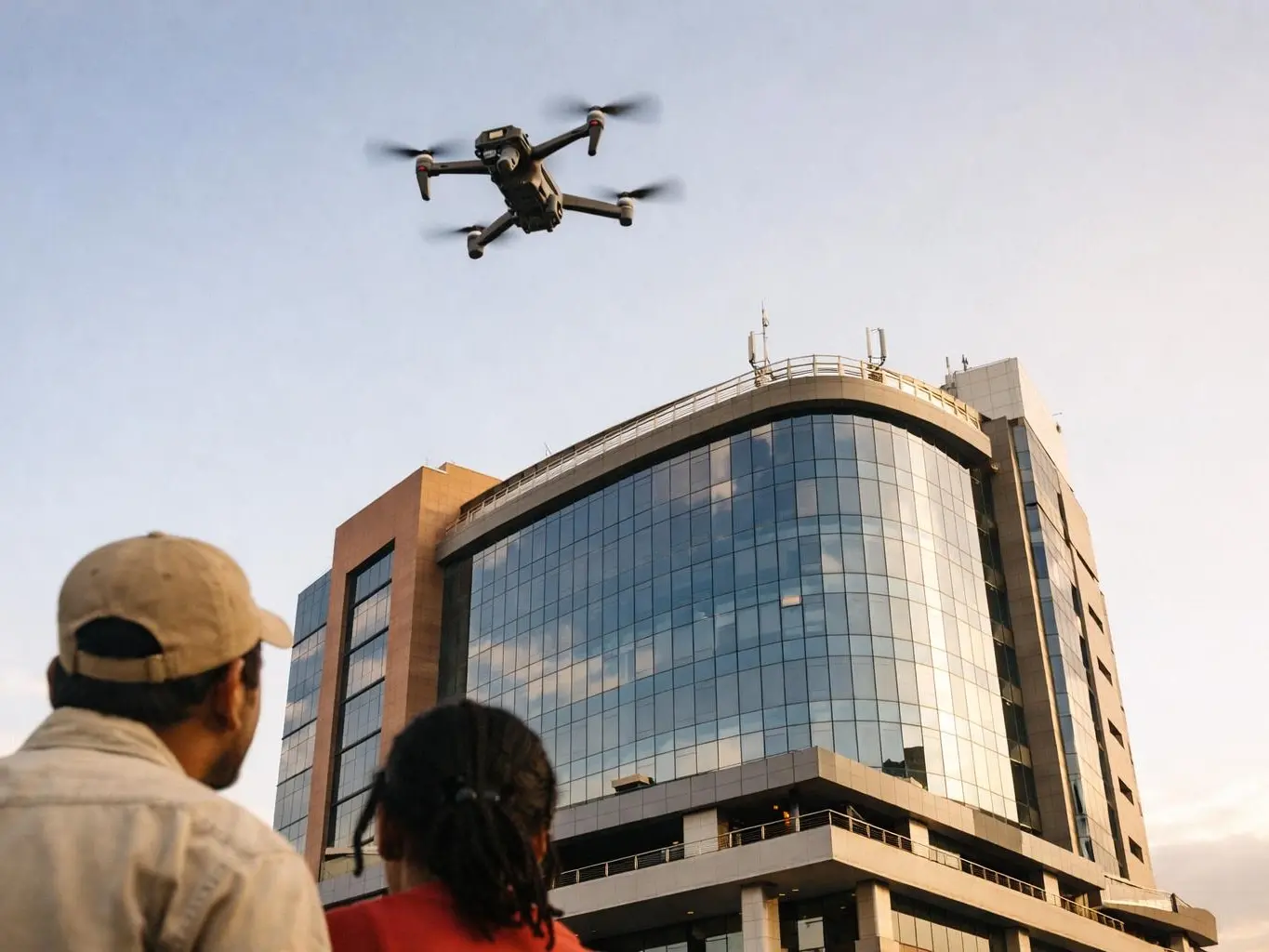
Cultural sensitivity training is a structured learning process designed to help individuals recognize, understand. And respect the beliefs, values, customs. And social norms of cultures different from their own. It aims to reduce misunderstandings, avoid offensive behaviors. And foster inclusive interactions in professional, social.
Category
Professional development and workplace training
Used for
Improving cross-cultural communication and teamwork
Common confusion
Assuming cultural awareness alone is sufficient without behavioral change
Also called
Cross-cultural training, Cultural competence training
Often discussed with
Cultural film production services, Translation and interpretation
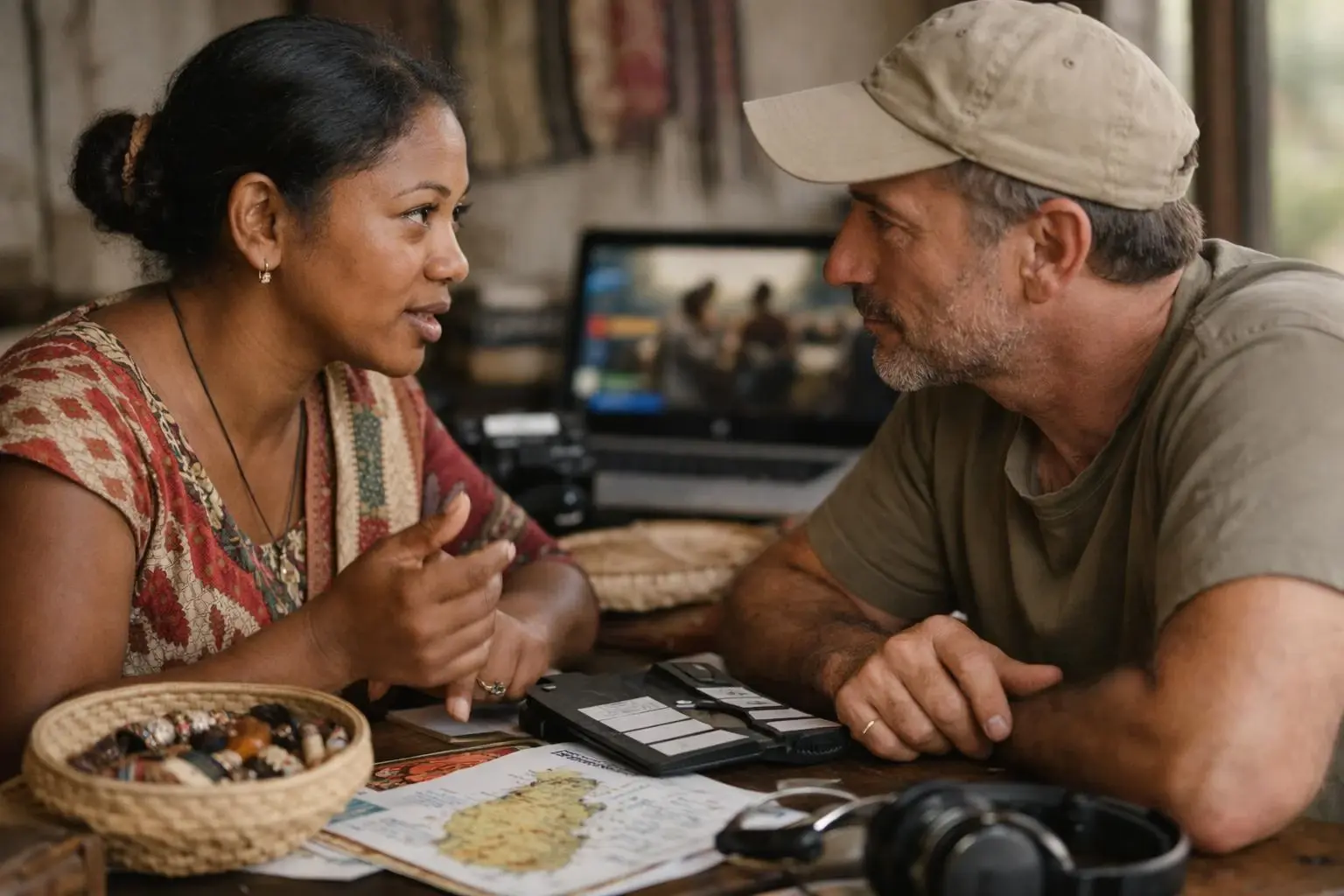
Cultural sensitivity training is more than just learning about other cultures. It's a structured program designed to help people recognize their own cultural biases, understand how these biases affect interactions. And develop skills to communicate and work effectively with people from different backgrounds. This training is especially important in industries like film production, where teams often include international crew members, local talent. And communities with unique traditions and expectations.
Related glossary terms: Wildlife filming ethics, Film location agreement, Film commission.
The goal of cultural sensitivity training is not to eliminate differences but to create an environment where differences are acknowledged and respected. For example, a gesture considered polite in one culture might be offensive in another. Training helps individuals identify these nuances before they lead to miscommunication or conflict. It also covers topics like language barriers, religious practices, social hierarchies. And historical sensitivities that may influence how people perceive actions or words.
Cultural sensitivity training typically follows a step-by-step approach. It often begins with self-assessment, where participants reflect on their own cultural background and how it shapes their worldview. This is followed by education about the cultural norms, values. And communication styles of the groups they will interact with. In the context of film production in Madagascar, this might include learning about local customs, taboos. And the significance of certain locations or symbols in Malagasy culture.
The training usually includes interactive exercises such as role-playing, case studies. And group discussions. These activities help participants practice adapting their behavior in real-world scenarios. For instance, a crew member might simulate a conversation with a local community leader to learn how to ask for permission to film in a culturally sensitive way. Trainers often provide feedback and guidance to reinforce positive behaviors and correct misunderstandings. Some programs also include follow-up sessions to ensure that the lessons are applied over time.
Measurement of the training’s effectiveness can vary. Some organizations use surveys or quizzes to assess knowledge gained. While others observe changes in behavior during actual interactions. In film production, success might be measured by fewer conflicts on set, smoother negotiations with local communities. Or positive feedback from local crew members and talent.

Cultural sensitivity training matters because it directly impacts the success of projects involving diverse groups. In film production, failing to understand or respect local cultures can lead to delays, increased costs. Or even the shutdown of a production. For example, filming in a sacred location without proper permission or understanding of its significance can offend communities and result in legal or reputational consequences. Training helps crews avoid these pitfalls by preparing them to navigate cultural differences proactively.
Beyond avoiding problems, cultural sensitivity training can boost creativity and collaboration. When team members feel respected and understood, they're more likely to contribute ideas and work together effectively. This is particularly valuable in Madagascar, where local knowledge and perspectives can enrich a film’s authenticity and storytelling. And training can improve relationships with audiences by ensuring that content is respectful and representative of the cultures being portrayed.
Cultural sensitivity training is most critical in situations where cross-cultural interactions are frequent or high-stakes. In film production, this includes pre-production phases like location scouting, casting. And negotiations with local authorities or communities. It is also important during filming, where crew members interact daily with local talent, extras. And residents. Post-production phases, such as editing and marketing, may also require cultural sensitivity to ensure that the final product resonates appropriately with diverse audiences.
Many projects start with Training is especially important in countries like Madagascar, where cultural norms may differ significantly from those of international crew members. For example, Madagascar has unique traditions related to ancestor worship, social hierarchies. And taboos around certain animals or locations. Ignoring these customs can lead to misunderstandings or unintentional disrespect. And training is valuable when working with vulnerable or marginalized communities, where trust and respect are essential for ethical storytelling.
Other situations where cultural sensitivity training matters include international co-productions, documentaries involving indigenous groups. And projects addressing sensitive historical or social topics. In these cases, training helps ensure that the production process is ethical, inclusive. And free from unintended harm.
Cultural awareness focuses on knowing about cultural differences. While cultural sensitivity training goes further by teaching how to apply that knowledge respectfully in real interactions.
Diversity training often addresses broader workplace inclusion. While cultural sensitivity training specifically targets cross-cultural communication and behavior.
Cultural sensitivity training is not a one-time event. Effective programs require ongoing practice, feedback. And adaptation to the specific cultural contexts of each project. In Madagascar, this means continuously engaging with local communities to stay informed about evolving norms and sensitivities.
During a film production in Madagascar, a crew member unknowingly wore a color associated with mourning in a local community. After cultural sensitivity training, the crew learned to research and respect such customs, avoiding potential offense and ensuring smoother interactions with local talent and residents.
Wildlife filming ethics is the set of moral principles and guidelines that govern how filmmakers interact with animals and their habitats during production. It ensures minimal disturbance to wildlife, prioritizes animal welfare, avoids misrepresentation.
A film location agreement is a legal contract. It is between a film company and a property owner or local group. It lets the company film at a set place. The contract lists filming dates, fees. And insurance needs. It also covers who is responsible for harm. It sets rules for gear, crew size. And changes to the site. This keeps both sides safe.
Film commissions are groups backed by governments or non-profits. They help film, TV. And media projects in a place. They give permits, find locations, offer tax breaks. And help with logistics. They also suggest local crews. This brings jobs and tourists to the area.
Documentary filmmaking is a non-fiction filmmaking process that captures real-life events, people, places. Or issues to educate, inform. Or raise awareness. Unlike fictional films, it relies on factual content, interviews, archival footage.
Production assistants are new crew members. They help film, TV. Or video projects. They do tasks like moving gear, running errands. And setting schedules. They make sure work flows well on set or before filming starts. They also help teams talk to each other. They link different groups.
PRO FIXERS MADAGASCAR
Contact PRO FIXERS MADAGASCAR for practical guidance on Cultural sensitivity training and related film production madagascar work in Madagascar.