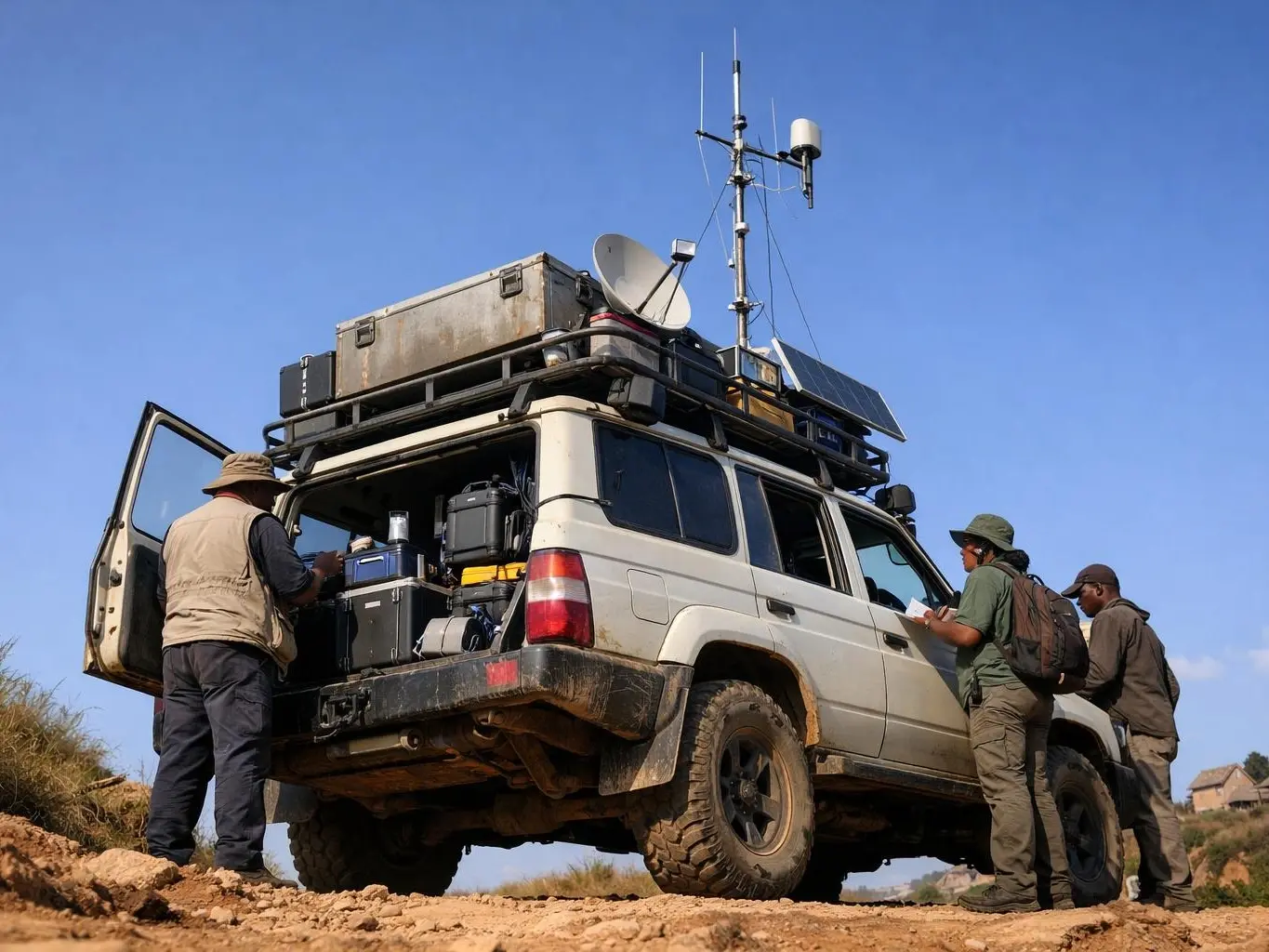
A film location agreement is a legal contract. It is between a film company and a property owner or local group. It lets the company film at a set place. The contract lists filming dates, fees. And insurance needs. It also covers who is responsible for harm. It sets rules for gear, crew size. And changes to the site. This keeps both sides safe.
Category
Production contract
Used for
Securing filming rights on private or public land
Common confusion
Often mistaken for a filming permit, which is issued by authorities
Also called
Location agreement, Filming location contract
Often discussed with
Film permit Application service, Location scouting

A film location agreement is a formal contract that ensures a production team can legally film on a chosen site. Unlike general filming permits, which are issued by government bodies for public spaces, location agreements are negotiated directly with property owners, whether private individuals, businesses. Or local authorities. These agreements specify the exact terms under which filming can occur, including the duration, scope. And any compensation involved. Without a signed agreement, productions risk legal action, fines. Or being forced to stop filming.
Related glossary terms: Film permit, Location release, Film insurance.
These contracts serve as a safeguard for both parties. For property owners, they clarify what activities are allowed, what damages might be covered. And how the property will be restored after filming. For production companies, they provide certainty that the location will be available as planned and outline any limitations, such as noise restrictions or parking rules. Agreements may also include clauses about confidentiality, especially if the location is a private residence or sensitive site.
The process typically begins during location scouting, when a production team identifies a site that fits the creative and logistical needs of the project. Once a location is selected, negotiations start between the production company and the property owner or their representative. Key details are discussed, such as the filming schedule, the number of crew members allowed on-site. And any special requirements, like drone use or pyrotechnics. These terms are then documented in the agreement, which is reviewed by both parties before signing.
Most agreements include several standard sections. The scope of use outlines what parts of the property can be filmed and any restrictions on angles or equipment. Compensation terms specify fees, which may be a flat rate, daily charge. Or percentage of the production budget. Insurance requirements ensure the production company carries liability coverage in case of accidents or property damage. Additional clauses may address security, cleanup responsibilities. And penalties for breaching the agreement. Once signed, the document becomes legally enforceable. And both parties must adhere to its terms.

Film location agreements are essential for managing risk and ensuring smooth production. Without one, a property owner could revoke access at any time, leading to costly delays or reshoots. Agreements also protect productions from unexpected fees or legal claims, such as allegations of trespassing or property damage. For high-profile projects, these contracts often include exclusivity clauses to prevent competitors from filming in the same location, preserving the visual uniqueness of the production.
For local customers, From a financial perspective, location agreements help productions budget accurately. Fees and expenses are clearly defined, reducing the risk of disputes over additional costs. Insurance requirements also ensure that productions are covered for accidents, which is especially important in remote or challenging environments. In some cases, agreements may even influence creative decisions, as certain locations may impose restrictions on lighting, sound. Or set modifications that affect how scenes are shot.
Film location agreements are particularly critical in situations where filming occurs on private property, in sensitive areas. Or over extended periods. For example, productions filming in historic buildings, national parks. Or residential neighborhoods often face strict regulations and higher liability risks. In these cases, agreements help navigate local laws and community concerns, ensuring compliance with noise ordinances, environmental protections. Or cultural sensitivities.
Agreements also become important when filming involves large crews, heavy equipment. Or hazardous activities. Productions using drones, cranes. Or special effects may need additional permits or insurance, which are often referenced in the location agreement. Similarly, international productions must ensure their contracts comply with local laws, as legal standards for contracts, insurance. And liability vary by country. In Madagascar, for instance, agreements may need to account for local customs, environmental regulations. Or language barriers to avoid misunderstandings.
Finally, location agreements are vital for productions with tight schedules or limited budgets. Clear terms reduce the risk of last-minute changes, which can disrupt filming and increase costs. They also provide a framework for resolving disputes, such as disagreements over property damage or unexpected fees. By addressing these issues upfront, productions can focus on creativity and logistics rather than legal complications.
A filming permit is issued by government authorities for public spaces. While a location agreement is a private contract with a property owner for any site.
A location release is a simpler document granting permission to film. While a location agreement includes detailed terms, fees. And legal protections.
A well-drafted film location agreement should balance flexibility with legal protection. Include contingencies for weather delays or schedule changes.
A crew films a documentary in a Madagascar village. They sign a deal with the local chief. The deal lets them film in the village square for five days. It pays a daily fee. The crew must fix any mess they make. They can't film inside homes without extra okay.
Film permit is film permits are official documents issued by government authorities that grant legal permission to film crews to conduct production activities in specific public or private locations. They ensure compliance with local laws, protect locations from unauthorized use. And outline conditions such as filming hours, equipment restrictions.
A location release is a paper the owner signs. It lets crews film on their land. The paper shows when, how. And what they can film. It may list pay.
Film insurance is a specialized type of coverage designed to protect film productions from financial losses due to accidents, equipment damage, liability claims. Or unforeseen disruptions. Film insurance policies typically cover risks such as on-set injuries, property damage, theft, natural disasters.
Commercial filming permit is commercial filming permits are official authorizations issued by government or local authorities allowing professional film crews to record video, photography. Or sound for paid projects in regulated areas. These permits ensure legal compliance, public safety.
PRO FIXERS MADAGASCAR
Contact PRO FIXERS MADAGASCAR for practical guidance on Film location agreement and related film production madagascar work in Madagascar.