Film insurance is a specialized type of coverage designed to protect film productions from financial losses due to accidents, equipment damage, liability claims. Or unforeseen disruptions. Film insurance policies typically cover risks such as on-set injuries, property damage, theft, natural disasters.
Category
Specialized liability and property insurance
Used for
Protecting film productions from financial losses
Common confusion
Often mistaken for general business insurance, which lacks film-specific coverage
Also called
Production insurance, Entertainment insurance
Often discussed with
Film permit Application service, Drone Operator & Aerial filming
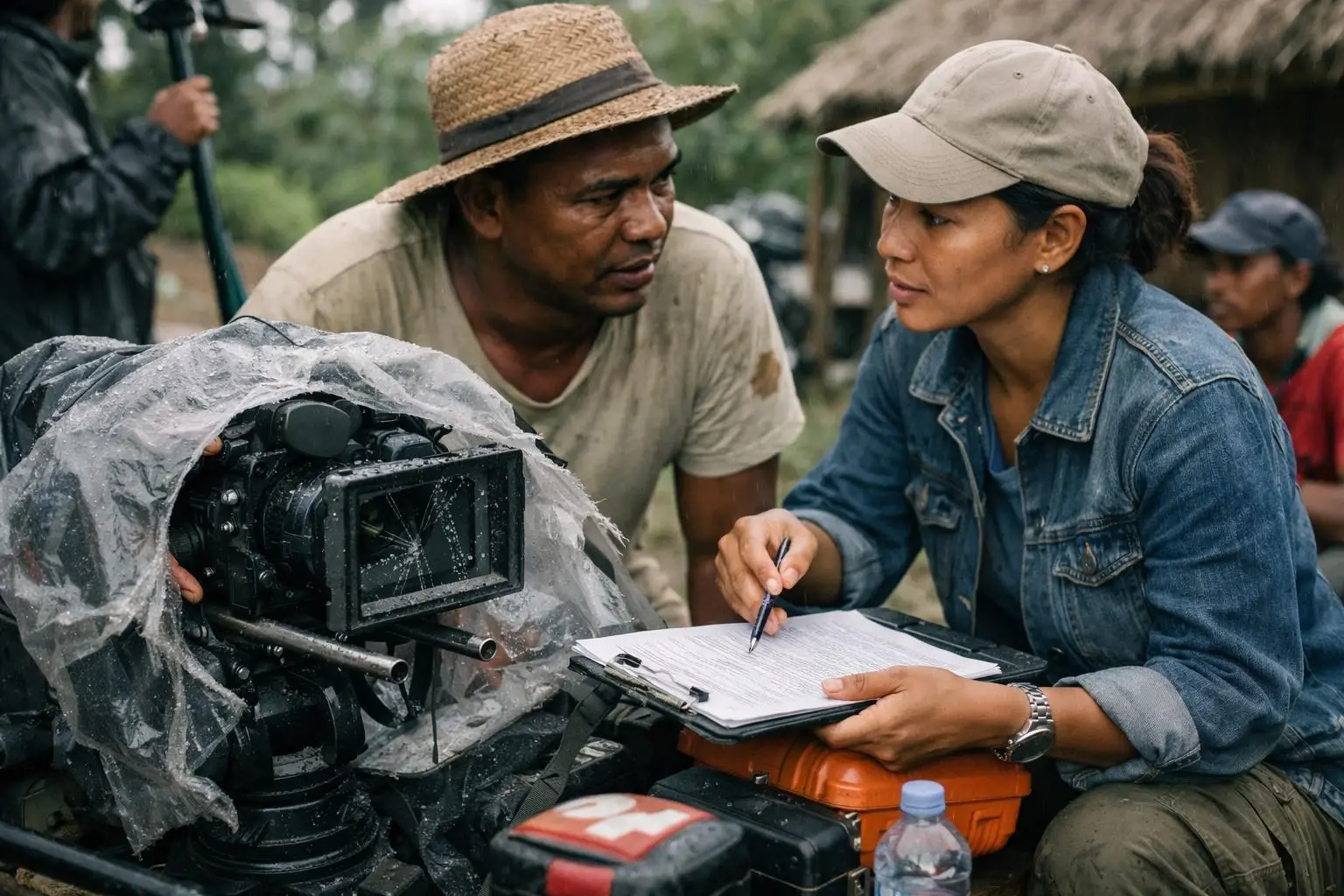
Film insurance is a critical component of risk management for any film production, whether it’s a small independent project or a large-scale studio production. Unlike standard business insurance, film insurance is custom to address the unique risks associated with filmmaking, such as damage to expensive equipment, injuries on set. Or delays caused by weather or other unforeseen events. Productions face a wide range of potential financial losses, from stolen cameras to liability claims if a crew member or bystander is injured. Film insurance provides a safety net, allowing productions to mitigate these risks and avoid devastating financial consequences.
Related glossary terms: Film permit, Commercial filming permit, Drone certification.
Film insurance policies are typically customized based on the scope of the production, the locations being used. And the specific risks involved. For example, a documentary filming in remote areas may require coverage for medical emergencies. While a studio-based commercial might focus more on equipment theft or damage. The goal is to ensure that the production can continue or recover financially if something goes wrong, without facing bankruptcy or legal complications.
Film insurance works by transferring the financial risk of production-related losses from the filmmakers to an insurance provider. Producers purchase a policy based on the estimated budget, locations. And potential hazards of the project. The insurance company assesses these factors and calculates the premium, which is the cost of the policy. In the event of a covered incident—such as a fire destroying equipment or an actor being injured—the production can file a claim to recover the financial loss, up to the policy’s limits.
Policies are often divided into different types of coverage to address specific risks. For instance, equipment insurance covers damage or theft of cameras, lighting, and sound gear, while general liability insurance protects against claims of bodily injury or property damage caused by the production. Other common types include errors and omissions (E&O) insurance, which covers legal disputes over copyright or defamation, and workers' compensation, which provides benefits to crew members injured on the job. Some policies also include non-appearance coverage, which protects against financial losses if a key actor or director becomes unavailable due to illness or other reasons.
To secure coverage, productions must provide detailed information about the project, including the script, shooting schedule, locations. And budget. Insurers may also require proof of safety protocols, such as stunt coordination plans or medical support on set. Once the policy is in place, the production is protected for the duration of the shoot. Though some policies can be extended into post-production if needed.
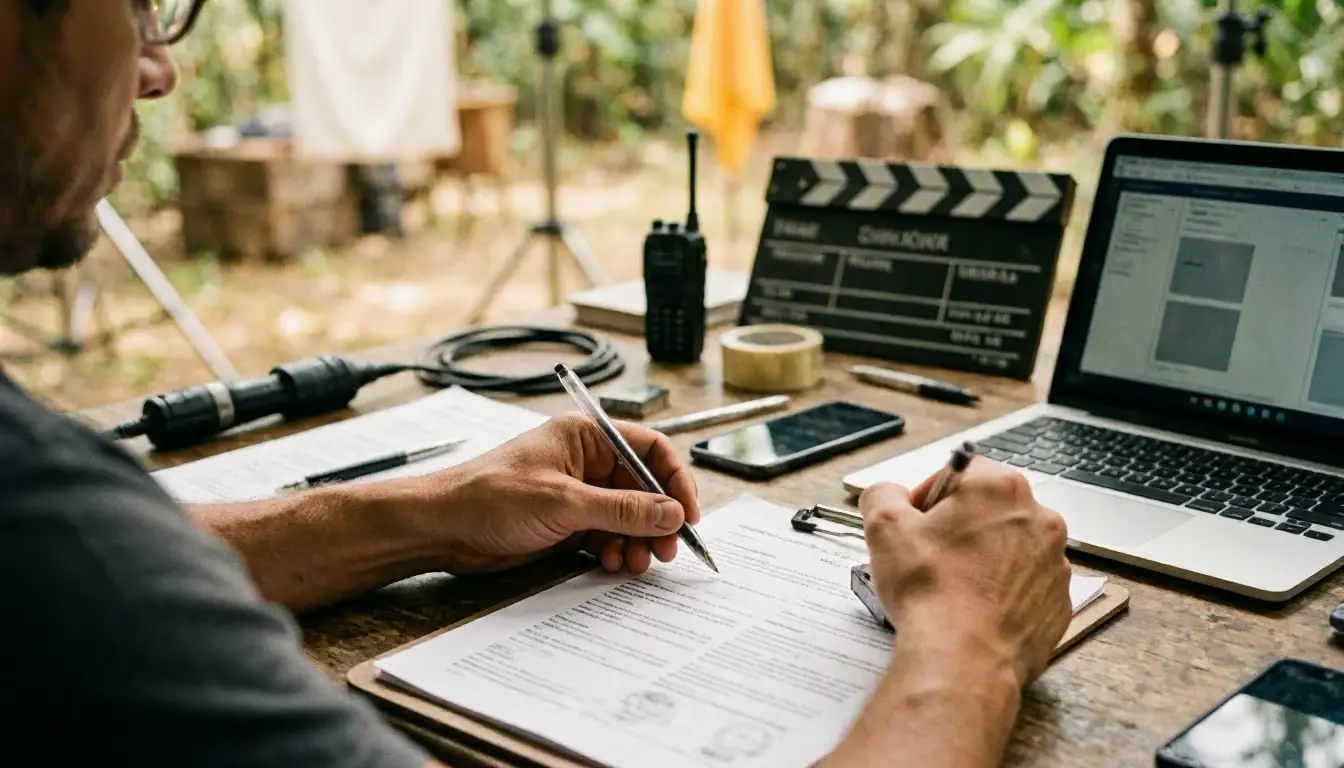
Film insurance matters because it protects the financial investment of a production, which can be substantial even for small projects. Without insurance, a single accident or delay could force a production to shut down, leaving investors, crew members. And stakeholders with significant losses. For example, if a camera operator is injured on set and the production lacks workers' compensation coverage, the resulting medical bills and legal fees could bankrupt the project. Similarly, if equipment is stolen or damaged, replacing it without insurance could drain the budget and delay filming.
Beyond financial protection, film insurance is often a requirement for securing funding, permits. Or distribution deals. Investors and studios typically demand proof of insurance before committing funds, as it reduces their risk exposure. Film commissions and location owners may also require insurance to grant permits, as it ensures that the production can cover any damages or liabilities that arise during filming. Even rental houses for equipment often mandate insurance before agreeing to lend gear, as it guarantees compensation if the equipment is damaged or lost.
Film insurance matters most during high-risk productions, such as those involving stunts, remote locations. Or expensive equipment. For example, a production filming a car chase scene in a busy city faces higher liability risks than a studio-based interview shoot. Similarly, a documentary team working in a war zone or extreme weather conditions may need specialized coverage for medical evacuations or equipment damage. Productions with tight budgets also benefit from insurance, as a single incident could otherwise derail the entire project.
Insurance is also critical when working with third parties, such as location owners, vendors. Or talent. Many contracts require the production to carry liability insurance to protect the other party from potential lawsuits or damages. For instance, a location release agreement might stipulate that the production must cover any property damage caused during filming. And film festivals, distributors. And broadcasters often require proof of insurance before screening or licensing a project, as it ensures that the production is financially protected against legal claims.
For local customers, Finally, film insurance becomes essential during post-production, especially for projects involving archival footage, music licensing. Or sensitive content. Errors and omissions (E&O) insurance, for example, protects against lawsuits alleging copyright infringement, defamation. Or unauthorized use of material. Without this coverage, a production could face costly legal battles that delay release or force edits, impacting its commercial viability.
General liability insurance covers broad business risks like slip-and-fall accidents. While film insurance is tailored to production-specific hazards such as equipment theft, on-set injuries. And production delays.
E&O insurance is a subset of film insurance that specifically covers legal disputes over copyright, defamation. Or unauthorized use of material, whereas general film insurance covers physical risks like accidents or equipment damage.
Workers' compensation is a type of insurance that provides benefits to employees injured on the job. While film insurance is a broader category that may include workers' comp as one component.
Film insurance is not one-size-fits-all. A policy for a studio feature will differ significantly from one for a low-budget indie film or a documentary in remote locations. Always disclose all production details to the insurer to avoid gaps in coverage that could leave you exposed.
During a commercial shoot in Antananarivo, a sudden storm damaged thousands of dollars' worth of rented lighting equipment.
Film permit is film permits are official documents issued by government authorities that grant legal permission to film crews to conduct production activities in specific public or private locations. They ensure compliance with local laws, protect locations from unauthorized use. And outline conditions such as filming hours, equipment restrictions.
Commercial filming permit is commercial filming permits are official authorizations issued by government or local authorities allowing professional film crews to record video, photography. Or sound for paid projects in regulated areas. These permits ensure legal compliance, public safety.
Drone certification is a legal check. It shows a pilot can fly safely. Pilots take tests on rules and skills. They learn how to handle emergencies. This keeps people and places safe.
Environmental impact assessment is a formal process used to identify, predict. And evaluate the potential environmental effects of a proposed project before decisions are made. It examines factors like biodiversity, water quality, air pollution.
A film location agreement is a legal contract. It is between a film company and a property owner or local group. It lets the company film at a set place. The contract lists filming dates, fees. And insurance needs. It also covers who is responsible for harm. It sets rules for gear, crew size. And changes to the site. This keeps both sides safe.
PRO FIXERS MADAGASCAR
Contact PRO FIXERS MADAGASCAR for practical guidance on Film insurance and related film production madagascar work in Madagascar.