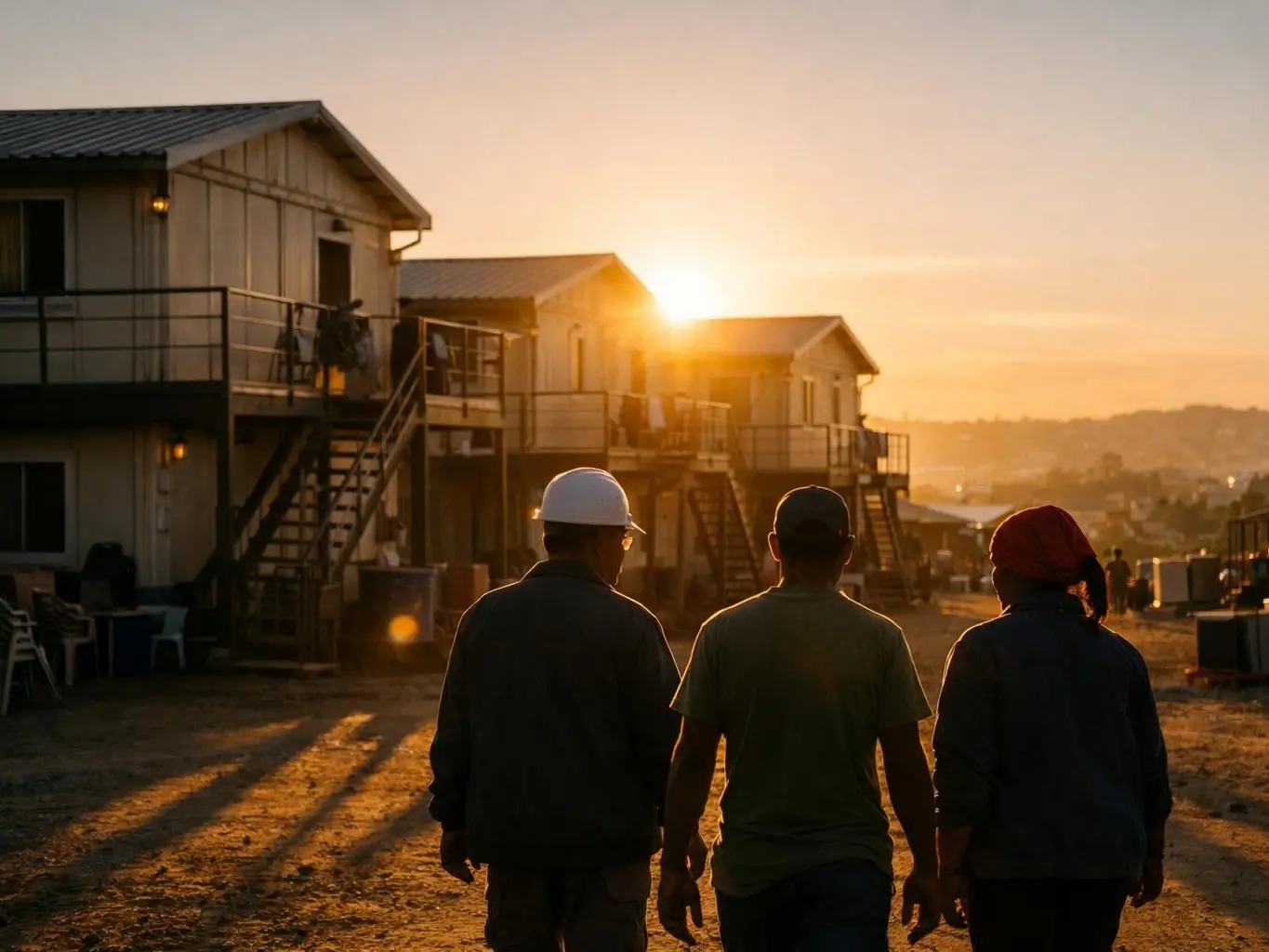
Film commissions are groups backed by governments or non-profits. They help film, TV. And media projects in a place. They give permits, find locations, offer tax breaks. And help with logistics. They also suggest local crews. This brings jobs and tourists to the area.
Category
Government or non-profit support organization
Used for
Securing permits, incentives. And local production support
Common confusion
Film commissions are not production companies or studios
Also called
Film office, Filming authority
Often discussed with
Film permit Application service, Location scouting
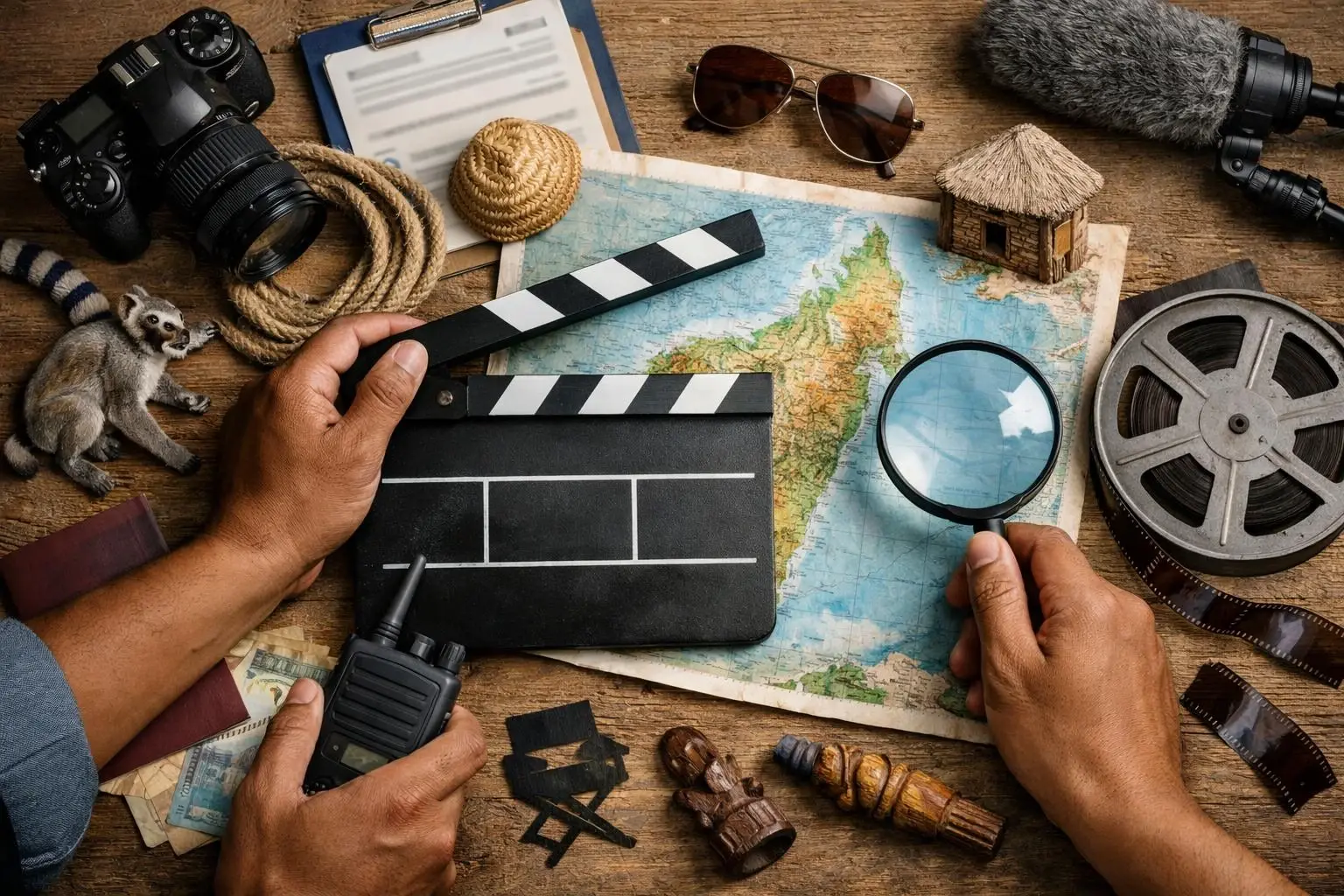
A film commission is an organization established to promote a specific geographic area—such as a city, state. Or country—as an attractive destination for film, television, commercial. And digital media production. These organizations are typically funded by local or national governments, tourism boards. Or industry associations. Their primary goal is to attract productions by offering a range of services that simplify the filming process, reduce costs. And ensure compliance with local laws.
Related glossary terms: Commercial filming permit, Film permit, Film insurance.
Film commissions don't produce content themselves. Instead, they serve as facilitators, connecting filmmakers with local resources, permits, incentives. And logistical support. By doing so, they help productions overcome common challenges such as working through bureaucracy, finding suitable locations. And accessing local talent and equipment. This support is especially valuable for international productions unfamiliar with the region’s regulations, culture. Or infrastructure.
Film commissions operate by providing a centralized point of contact for productions seeking to film in their region. Their services typically include issuing filming permits, which are legal authorizations required to shoot in public or private spaces. Without these permits, productions risk fines, shutdowns. Or legal disputes with local authorities or property owners. Film commissions also assist with securing necessary permissions for road closures, drone flights. Or special effects that may impact public safety or traffic.
In practice, Another key function of film commissions is to offer financial incentives, such as tax credits, rebates. Or grants, to productions that meet certain criteria. These incentives are designed to offset production costs and encourage filmmakers to choose the region over competing locations. For example, a production spending a minimum amount on local goods, services. Or crew may qualify for a percentage of their expenses to be refunded or credited against taxes. Film commissions often provide detailed guidelines on how to qualify for these incentives and assist with the application process.
In addition to permits and incentives, film commissions offer logistical support, such as location scouting, crew databases. And introductions to local vendors. They may also provide cultural and regulatory guidance to ensure productions respect local customs, environmental protections. Or labor laws. For international productions, film commissions often collaborate with immigration authorities to simplify visa processes for foreign crew members, reducing delays and administrative burdens.

Film commissions play a critical role in the success of productions, particularly those filming in unfamiliar or complex regions. By centralizing services and expertise, they help productions avoid costly mistakes, such as failing to secure the correct permits or violating local regulations. This support not only saves time and money but also reduces the risk of legal disputes or negative publicity that could harm a project’s reputation.
For regions, film commissions are a powerful economic development tool. Productions bring significant financial benefits, including direct spending on local goods, services. And labor, as well as indirect benefits like increased tourism and exposure. For example, a popular film or television series shot in a region can inspire fans to visit, boosting the local hospitality and tourism industries. Film commissions also help build a skilled local workforce by connecting productions with local talent, building long-term growth in the creative sector.
Film commissions are especially important for productions that require filming in multiple locations, involve large crews. Or have complex logistical needs. For example, a feature film shooting in a foreign country will rely heavily on the local film commission to navigate permits, incentives. And cultural differences. Similarly, productions filming in sensitive or protected areas, such as national parks or historical sites, will need the film commission’s expertise to secure permissions and ensure compliance with environmental or heritage regulations.
Film commissions also matter most when productions are evaluating potential filming locations. The availability of incentives, permits. And local support can be a deciding factor in choosing one region over another. For instance, a production may opt to film in a country offering a 30% tax rebate over a competing location with fewer financial benefits. And film commissions are invaluable during pre-production, when filmmakers need to scout locations, hire local crew. And plan logistics. Their local knowledge can help productions avoid hidden costs or delays, ensuring a smoother and more efficient shoot.
A film permit is a legal authorization to shoot in a specific location, issued by a film commission or local authority. While film permits are a key service provided by film commissions, the commission itself offers broader support, including incentives and logistical assistance.
A location scout is an individual or team responsible for finding and securing filming locations. Film commissions may assist with location scouting but also provide additional services like permits, incentives. And regulatory guidance.
A tax incentive is a financial benefit, such as a rebate or credit, offered to productions to reduce costs. Film commissions often administer or promote these incentives but also provide other services like permits and logistical support.
Film commissions vary widely in their effectiveness and resources. A well-funded commission with strong government support can significantly streamline production. While a smaller or under-resourced commission may only offer basic services. Always verify their track record with similar projects before relying on their assistance.
A Hollywood studio wants to film a drama in Madagascar. They call the local film group. The group gets permits for protected sites. They give a list of trusted local crews. They help the crew get a 20% tax rebate. Without help, the shoot would cost more and face delays.
Commercial filming permit is commercial filming permits are official authorizations issued by government or local authorities allowing professional film crews to record video, photography. Or sound for paid projects in regulated areas. These permits ensure legal compliance, public safety.
Film permit is film permits are official documents issued by government authorities that grant legal permission to film crews to conduct production activities in specific public or private locations. They ensure compliance with local laws, protect locations from unauthorized use. And outline conditions such as filming hours, equipment restrictions.
Film insurance is a specialized type of coverage designed to protect film productions from financial losses due to accidents, equipment damage, liability claims. Or unforeseen disruptions. Film insurance policies typically cover risks such as on-set injuries, property damage, theft, natural disasters.
A film location agreement is a legal contract. It is between a film company and a property owner or local group. It lets the company film at a set place. The contract lists filming dates, fees. And insurance needs. It also covers who is responsible for harm. It sets rules for gear, crew size. And changes to the site. This keeps both sides safe.
Environmental impact assessment is a formal process used to identify, predict. And evaluate the potential environmental effects of a proposed project before decisions are made. It examines factors like biodiversity, water quality, air pollution.
PRO FIXERS MADAGASCAR
Contact PRO FIXERS MADAGASCAR for practical guidance on Film commission and related film production madagascar work in Madagascar.