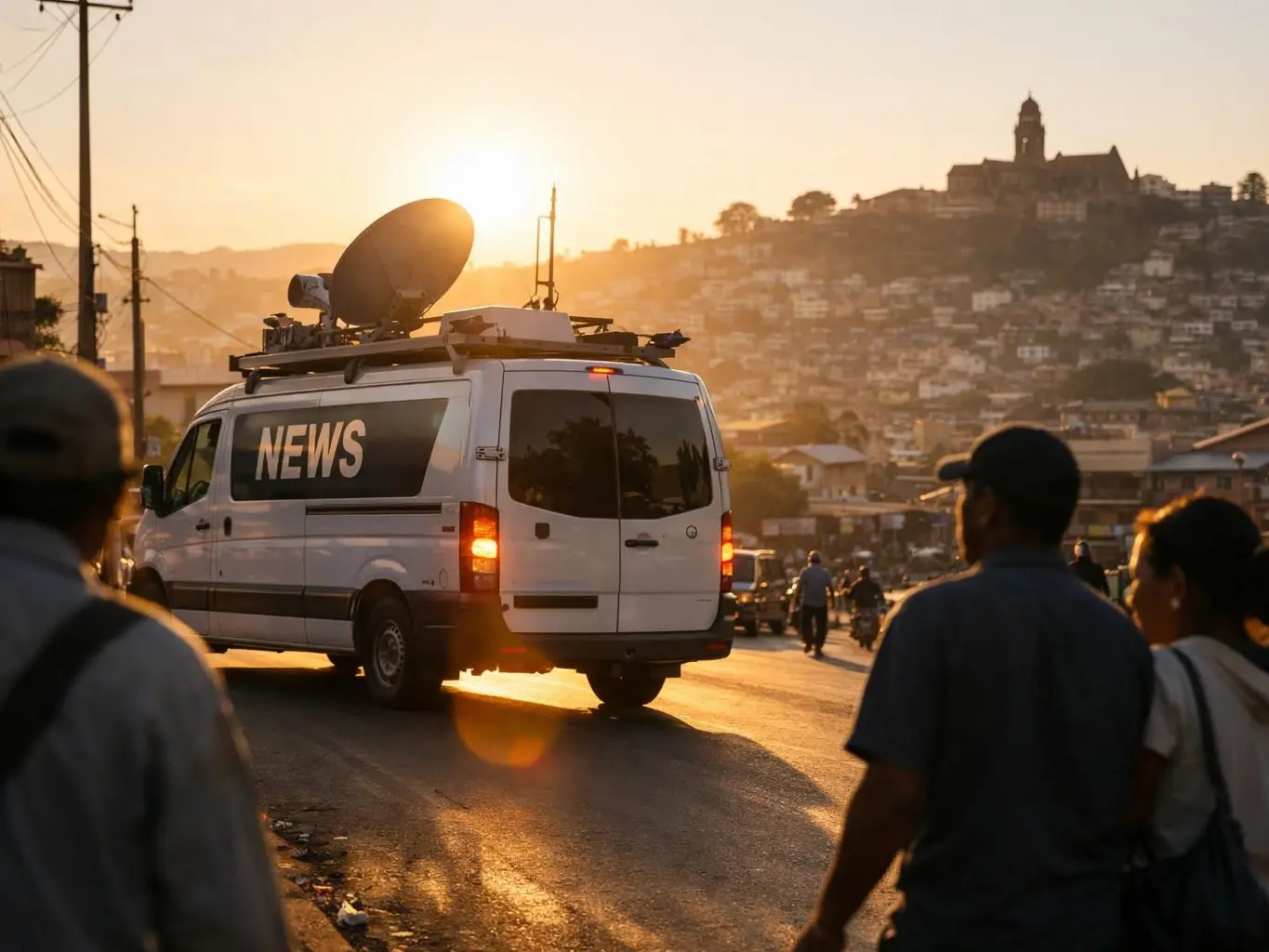
Documentary filmmaking is a non-fiction filmmaking process that captures real-life events, people, places. Or issues to educate, inform. Or raise awareness. Unlike fictional films, it relies on factual content, interviews, archival footage.
Category
Non-fiction filmmaking
Used for
Education, advocacy, journalism. And cultural preservation
Common confusion
Often mistaken for news reporting or scripted reality TV
Also called
Non-fiction filmmaking, Factual filmmaking
Often discussed with
Wildlife documentary Productions, Post production Video Editing Service

Documentary filmmaking is a form of visual storytelling that explores real-life subjects without fictional elements. It aims to present truthful accounts of events, people, cultures. Or issues, often with the intention of informing, persuading. Or inspiring audiences. Unlike narrative films, which rely on scripts and actors, documentaries use real footage, interviews. And archival materials to build their stories. This approach allows filmmakers to shed light on underrepresented topics, challenge perceptions. Or preserve historical moments.
Related glossary terms: B-roll, Direct sound recording, Wildlife filming ethics.
The origins of documentary filmmaking trace back to the early 20th century, when pioneers like Robert Flaherty and Dziga Vertov experimented with capturing unscripted reality. Over time, the genre evolved to include various styles, such as observational, participatory, expository. And poetic documentaries. Each style offers a different perspective on how to present reality, whether through fly-on-the-wall filming, direct interaction with subjects. Or artistic interpretation of events. The choice of style often depends on the filmmaker's goals and the nature of the subject matter.
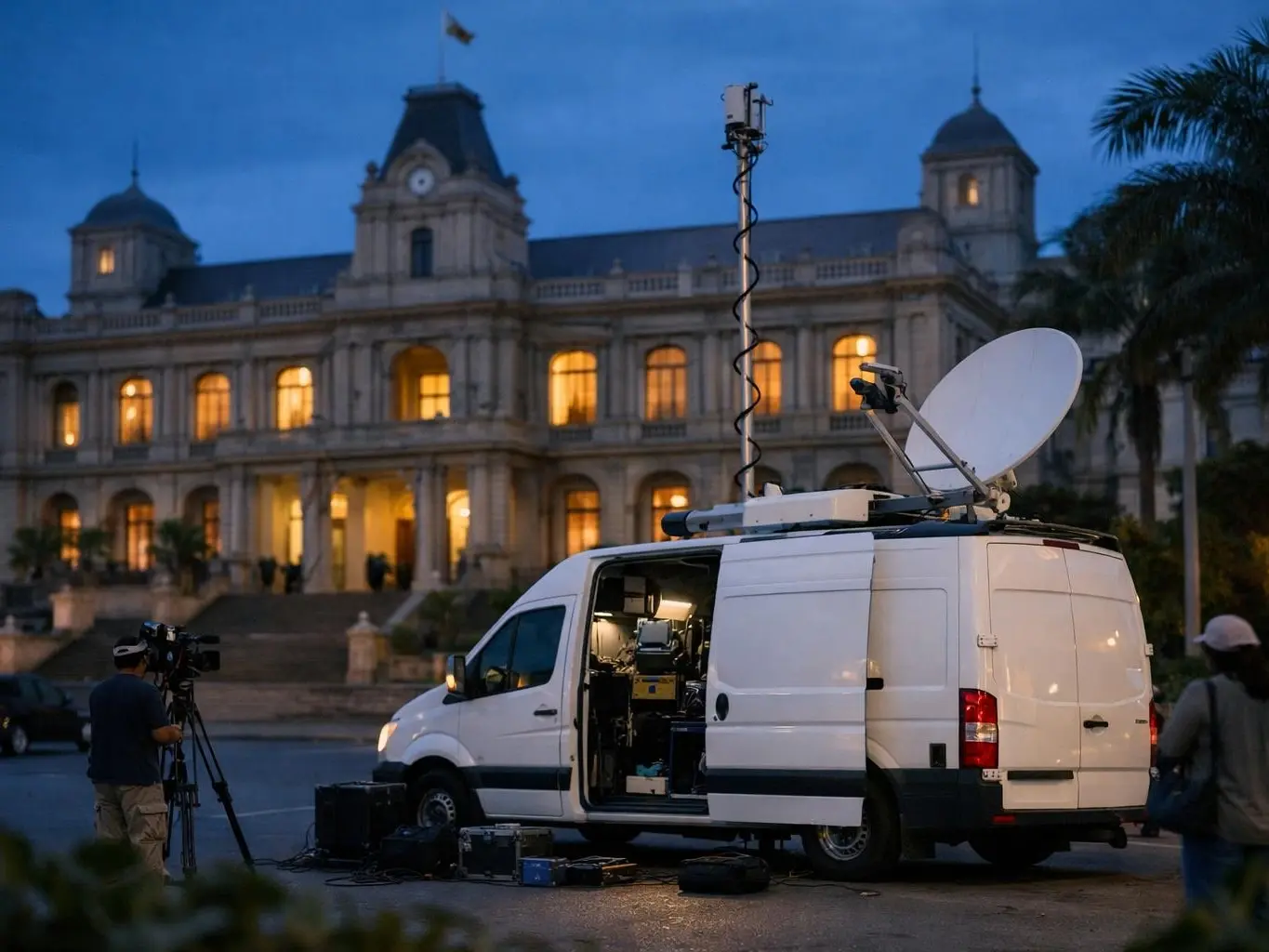
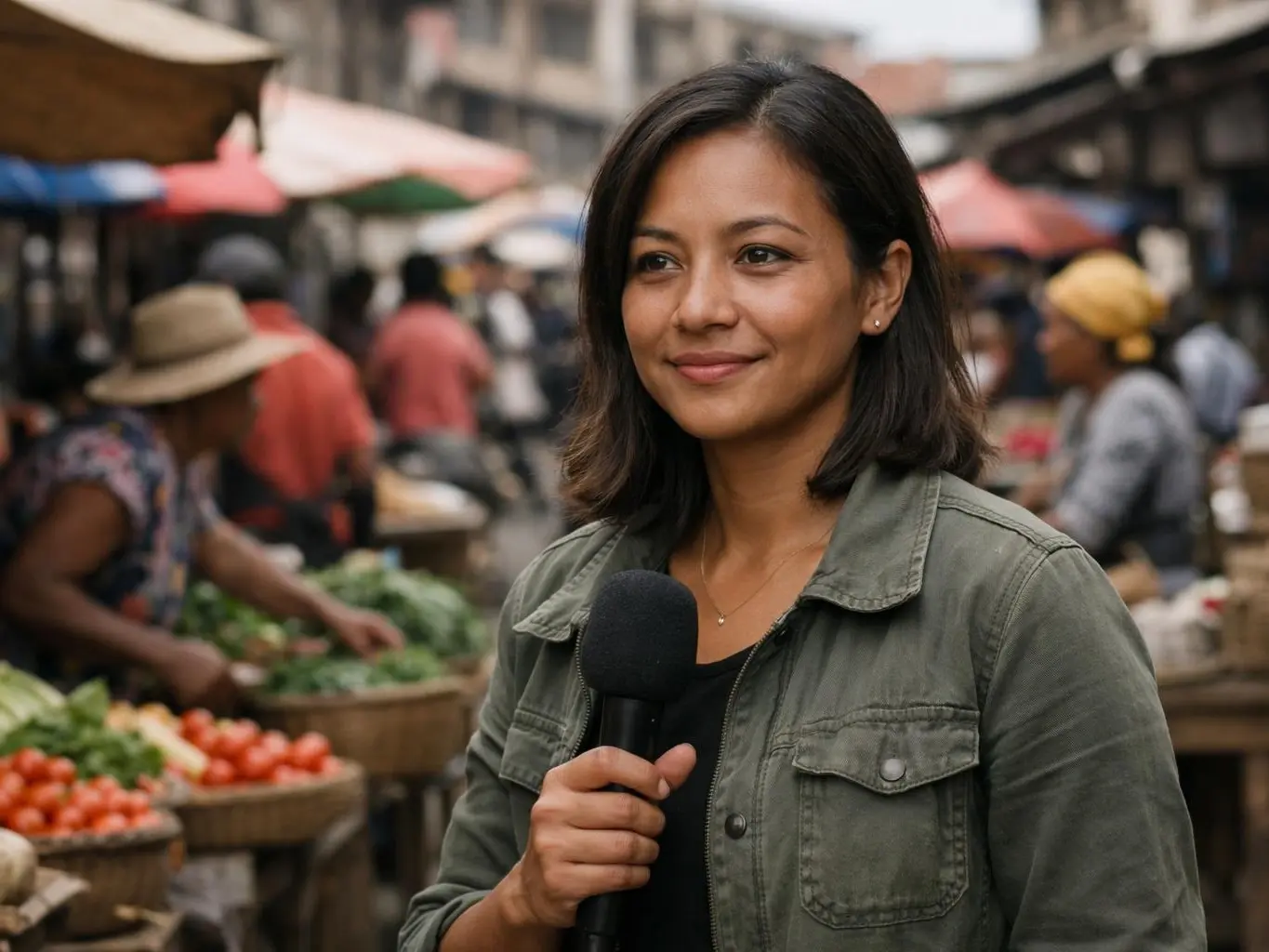
The documentary filmmaking process typically begins with research and pre-production planning. Filmmakers identify a subject, conduct interviews, gather background information. And scout locations. Unlike scripted films, documentaries often require flexibility, as real-life events can change unexpectedly. For customers, this means during production, filmmakers capture footage using cameras, microphones. And other recording equipment. This may involve filming interviews, observational scenes. Or archival materials like photographs, news clips. Or historical documents.
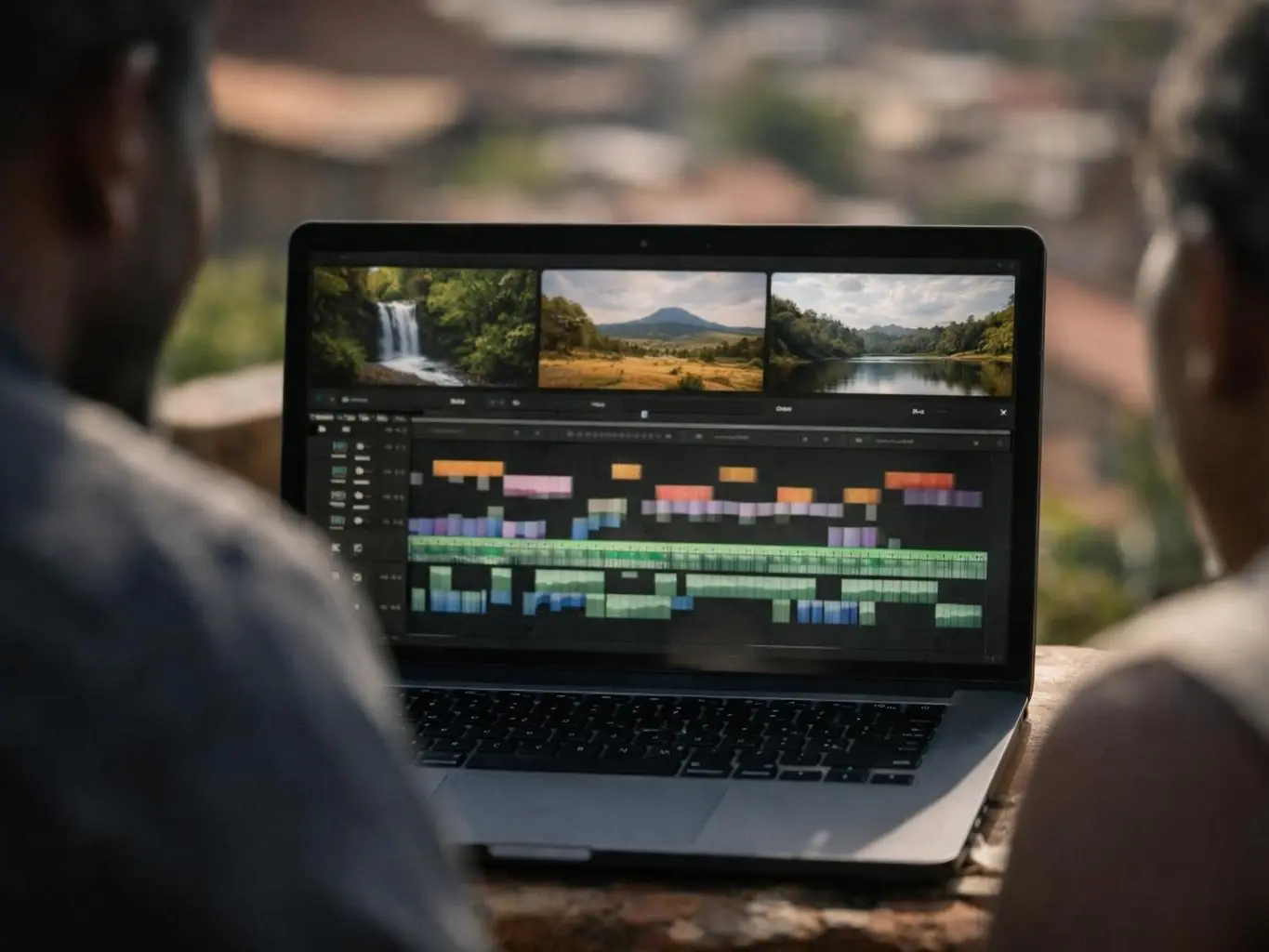
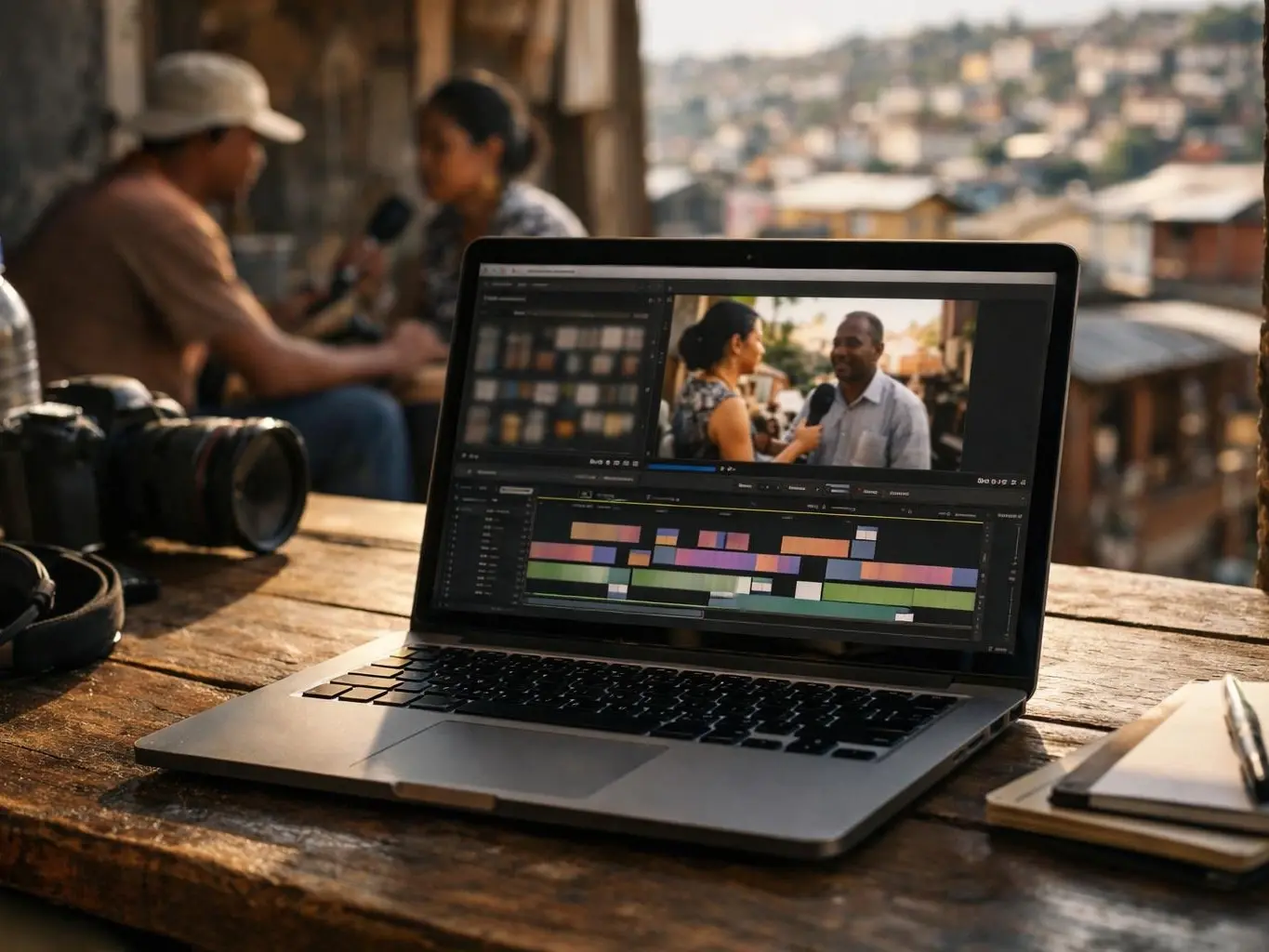
Post-production is where the raw footage is transformed into a cohesive story. Editors assemble the material, add narration or voiceovers, incorporate music or sound effects. And apply color grading to boost visual consistency. The editing process is critical, as it determines the film's pacing, emotional impact. And clarity. Filmmakers may also use graphics, animations. Or text overlays to provide additional context or emphasize key points. The final product is often screened at film festivals, broadcast on television. Or distributed online to reach audiences.
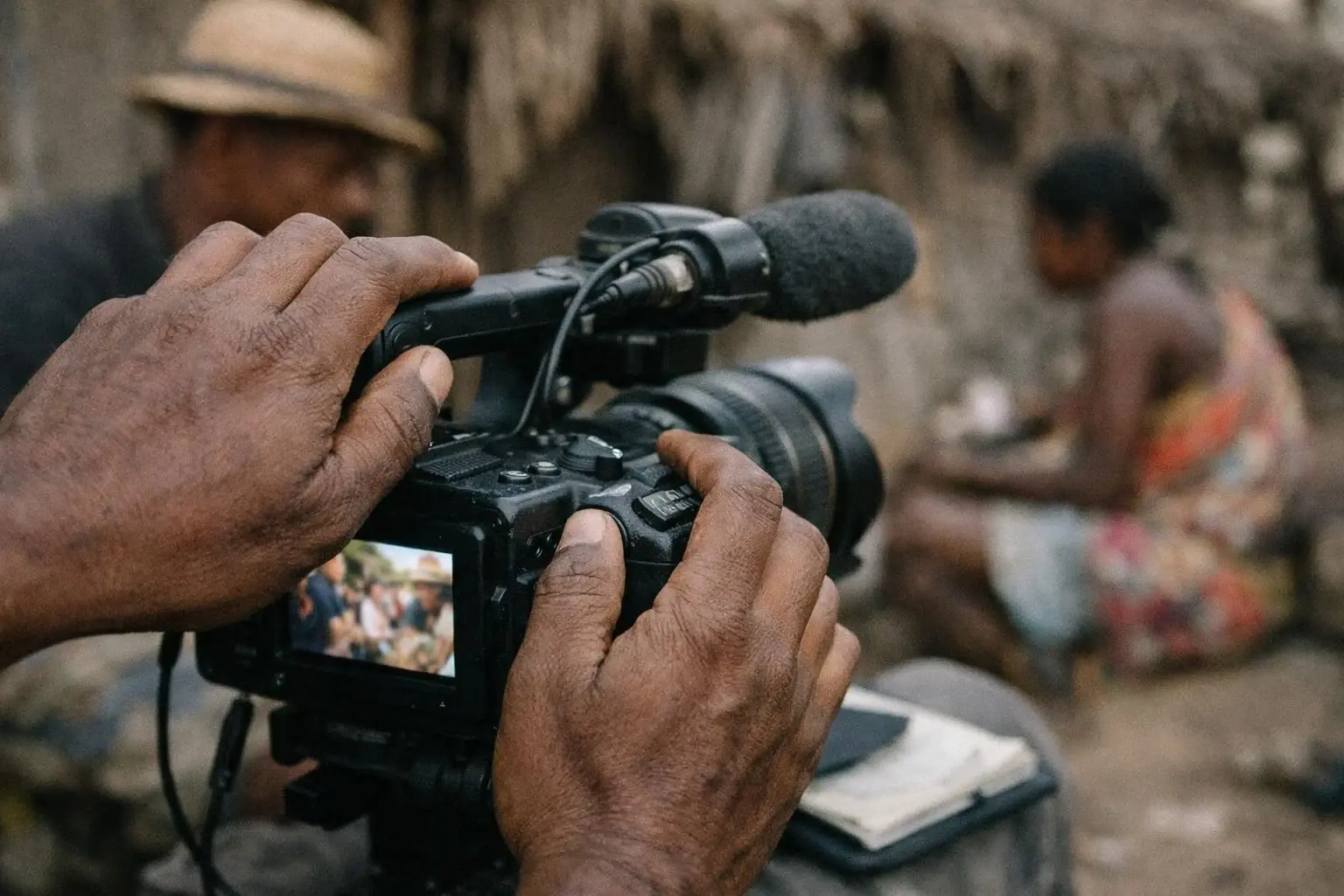
Documentary filmmaking plays a vital role in society by giving voice to marginalized communities, exposing injustices. And preserving cultural heritage. It serves as a powerful tool for education, allowing audiences to learn about topics they might not encounter otherwise. For example, documentaries have raised awareness about environmental issues, human rights abuses. And scientific discoveries, influencing public opinion and policy decisions. And documentaries can foster empathy by allowing viewers to connect with people and places outside their immediate experience.
Beyond its social impact, documentary filmmaking also contributes to the arts and media scene. It challenges traditional storytelling conventions and encourages innovation in visual and narrative techniques. Many documentaries blur the line between journalism and art, using creative approaches to engage audiences while maintaining factual integrity. This dual role makes documentary filmmaking a unique and influential medium in both entertainment and education.
Documentary filmmaking becomes especially important in situations where traditional media coverage is limited or biased. For instance, in regions with restricted press freedom, documentaries can provide alternative perspectives on political, social. Or environmental issues. They also play a key role in preserving history, particularly for communities or events that might otherwise be forgotten. For example, documentaries about indigenous cultures, war zones. Or scientific breakthroughs ensure that these stories are recorded for future generations.
Many projects start with In Madagascar, documentary filmmaking holds particular significance due to the country's rich biodiversity and unique cultural heritage. Filmmakers often focus on topics like lemur conservation, traditional Malagasy practices. Or environmental challenges facing the island. These documentaries not only raise global awareness but also support local efforts to protect natural resources and cultural traditions. And documentaries can attract tourism, funding. Or international support for conservation and development projects in Madagascar.
News reporting delivers immediate, factual updates on current events. While documentary filmmaking explores deeper narratives, often with artistic or advocacy-driven storytelling.
Reality TV often stages or manipulates situations for entertainment, whereas documentary filmmaking prioritizes authenticity and factual representation.
Narrative filmmaking uses scripts, actors. And fictional plots. While documentaries rely on real-life subjects and unscripted events.
Documentary filmmaking requires a delicate balance between storytelling and factual integrity. Filmmakers must remain transparent about their methods and biases, as even subtle editing choices can shape audience perception of reality.
A documentary about Madagascar’s lemur populations might include interviews with conservationists, footage of lemurs in their natural habitat. And archival materials showing past environmental changes. The film could highlight threats like deforestation and advocate for protective measures, using storytelling techniques to engage viewers emotionally while presenting scientific data.
B-roll is supplementary footage intercut with the main shot (A-roll) in film and video production. B-roll visually supports the story, adds context, hides edits. And enhances engagement by showing details, locations, actions.
Direct sound recording grabs audio on set while filming. Mics and recorders catch live talk and sounds. This keeps the real sound clear. It cuts the need for later voice work.
Wildlife filming ethics is the set of moral principles and guidelines that govern how filmmakers interact with animals and their habitats during production. It ensures minimal disturbance to wildlife, prioritizes animal welfare, avoids misrepresentation.
Film permit is film permits are official documents issued by government authorities that grant legal permission to film crews to conduct production activities in specific public or private locations. They ensure compliance with local laws, protect locations from unauthorized use. And outline conditions such as filming hours, equipment restrictions.
Post-production supervisor is a senior role responsible for overseeing all technical and creative stages after filming ends, including editing, sound design, visual effects, color grading. And final delivery. Post-production supervisors coordinate teams, manage budgets.
PRO FIXERS MADAGASCAR
Contact PRO FIXERS MADAGASCAR for practical guidance on Documentary filmmaking and related film production madagascar work in Madagascar.