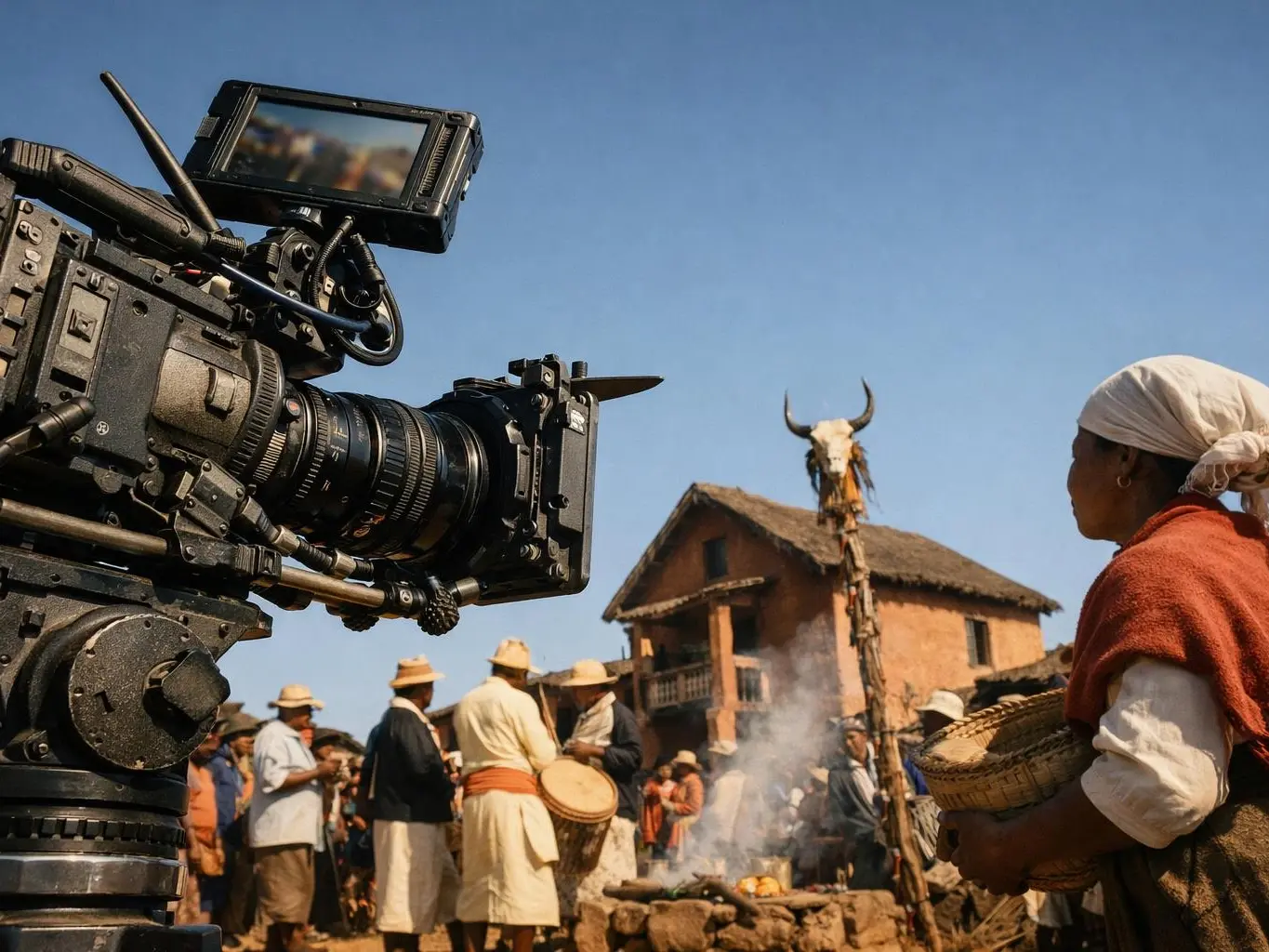
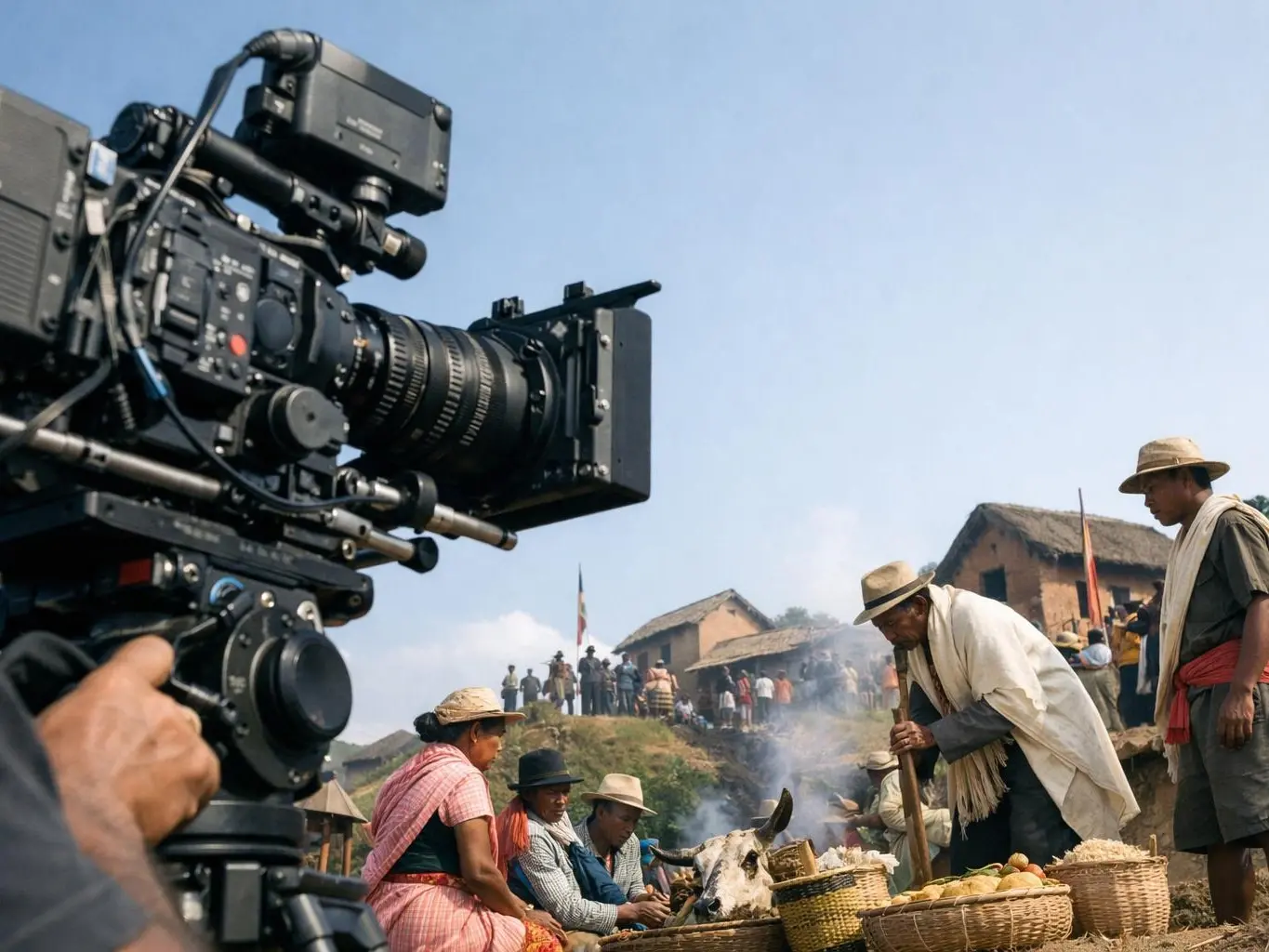
B-roll is supplementary footage intercut with the main shot (A-roll) in film and video production. B-roll visually supports the story, adds context, hides edits. And enhances engagement by showing details, locations, actions.
Category
Video production technique
Used for
Enhancing storytelling and visual appeal
Common confusion
Mistaking it for primary footage (A-roll)
Also called
B-reel, secondary footage
Often discussed with
Film permit Application service, Filming Equipment rental
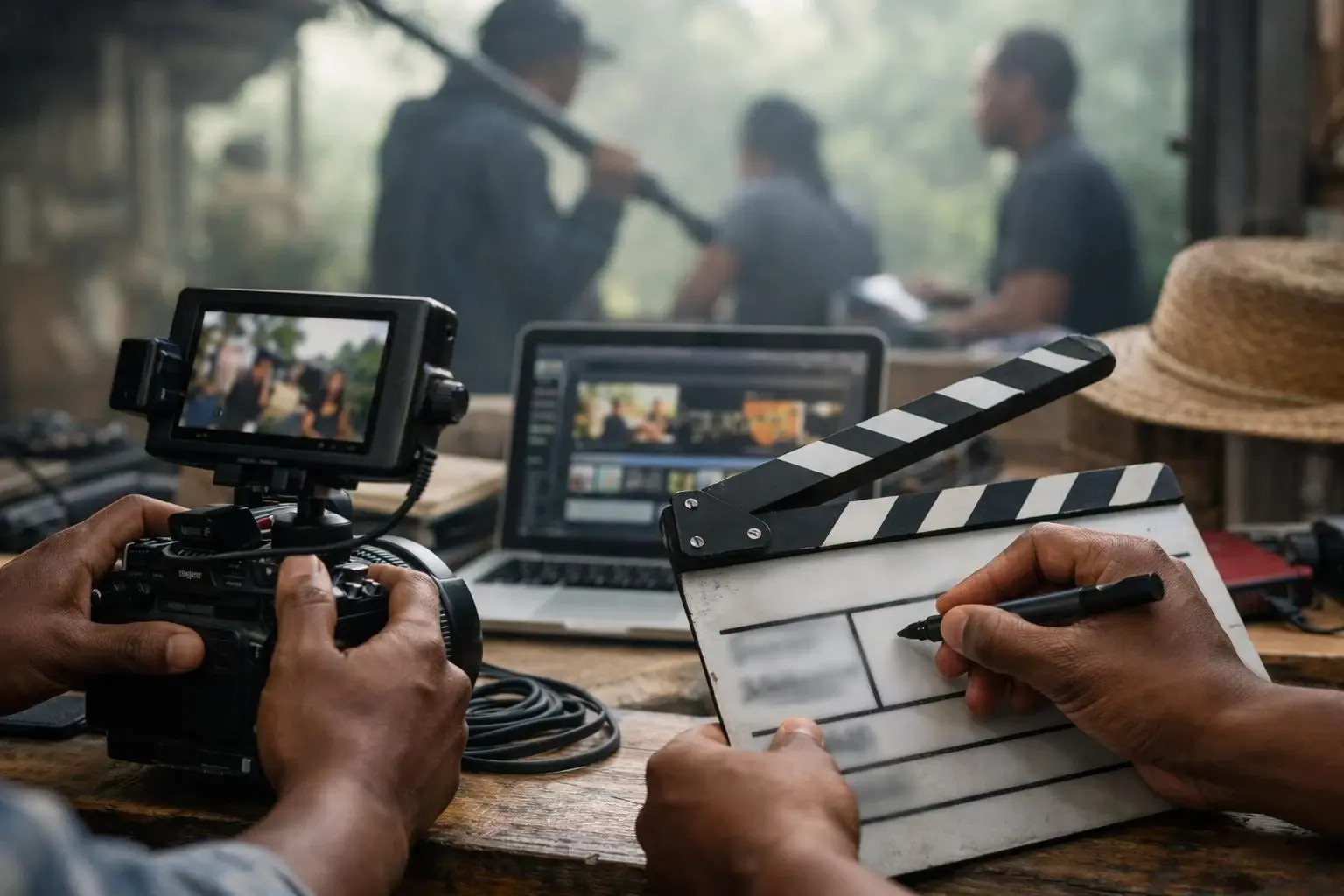
B-roll refers to the additional footage captured during film or video production that's not part of the primary shot, often called A-roll. While A-roll typically includes interviews, dialogue. Or the main action, B-roll provides visual variety and depth to the story. For example, if a documentary features an interview with a farmer in Madagascar, the A-roll would be the farmer speaking. While B-roll might include shots of the farm, crops being harvested. Or the surrounding scene. This supplementary footage helps viewers connect with the narrative by showing rather than just telling.
Related glossary terms: Documentary filmmaking, Cinematographer, Post-production supervisor.
B-roll is essential for maintaining viewer engagement, especially in longer productions. Without it, a video can feel monotonous or lack context. For instance, a corporate training video might use B-roll of employees working collaboratively to visually reinforce the message being delivered in the narration. Similarly, news broadcasts often rely on B-roll to illustrate stories when live footage is unavailable. The versatility of B-roll makes it a fundamental tool in both fiction and non-fiction filmmaking.
B-roll is integrated into the final edit to support the primary footage in several ways. One of its most common uses is to cover cuts or transitions in the A-roll. For example, if an interview jumps from one topic to another, B-roll can be inserted to smooth the transition, making the edit less noticeable. This technique is particularly useful in documentaries, corporate videos. And news segments, where smooth storytelling is critical. And B-roll can emphasize key points by visually reinforcing what is being said. A shot of a bustling market in Antananarivo, for instance, can highlight a discussion about Madagascar’s economy.
A common issue is Another important function of B-roll is to provide context or establish a scene. In narrative filmmaking, B-roll might include wide shots of a location, close-ups of objects. Or candid moments that set the tone for a scene. For example, a travel video about Madagascar might use B-roll of lemurs in their natural habitat to immerse viewers in the environment. In post-production, editors often rely on a library of B-roll footage to ensure they have enough material to work with, as it can be difficult to predict exactly what shots will be needed during filming. This makes B-roll a critical component of pre-production planning, as capturing a variety of angles and details can save time and effort later.
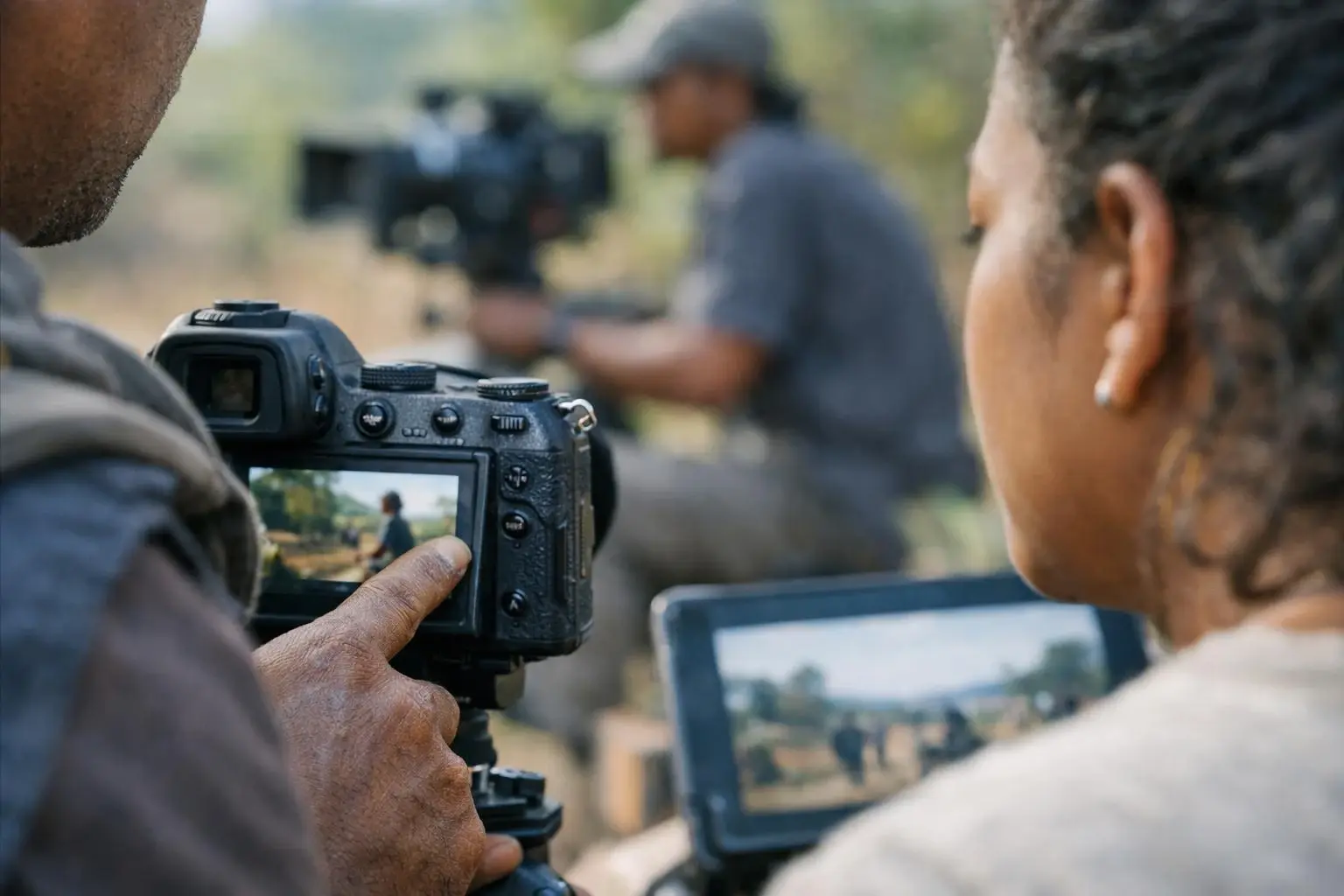
B-roll plays a crucial role in the quality and effectiveness of a video production. Without it, videos can feel flat, unengaging. Or overly reliant on a single perspective. B-roll adds visual texture, helping to maintain the viewer’s attention and making the content more dynamic. For example, a promotional video for a hotel in Nosy Be might use B-roll of the beach, pool. And guest activities to create an inviting atmosphere. This visual variety not only enhances the storytelling but also makes the video more appealing to potential customers.
Beyond aesthetics, B-roll can also serve practical purposes. It can mask technical issues, such as jump cuts or awkward pauses in the A-roll, ensuring a polished final product. And B-roll can be repurposed for multiple projects. A single shot of a rice field in the highlands of Madagascar, for instance, might be used in a documentary, a tourism advertisement. And a corporate social responsibility video. This versatility makes B-roll a valuable asset for filmmakers, as it maximizes the return on investment for each shoot.
B-roll is particularly important in scenarios where storytelling relies heavily on visuals. Documentaries, for example, often depend on B-roll to illustrate historical events, cultural practices. Or scientific concepts that can't be captured in real-time. A documentary about Madagascar’s unique biodiversity might use B-roll of rare wildlife, such as chameleons or baobab trees, to bring the narrative to life. Similarly, corporate videos benefit from B-roll to showcase products, services. Or workplace environments, making abstract concepts more tangible for the audience.
B-roll is also critical in situations where the primary footage is limited or of lower quality. For instance, if an interview was conducted in a noisy environment, B-roll can be used to cover the audio gaps, allowing the editor to cut around distractions. In news production, B-roll is often used to accompany voiceovers when live footage is unavailable, ensuring the story remains visually compelling. And social media content creators rely on B-roll to keep videos engaging, as platforms like Instagram and TikTok prioritize dynamic, fast-paced visuals. Whether for professional filmmaking or digital content creation, B-roll is a tool that elevates the final product by adding depth, context. And visual interest.
A-roll is the primary footage, such as interviews or main action. While B-roll is supplementary footage that supports and enhances the A-roll.
Cutaways are a type of B-roll used specifically to briefly shift focus away from the main action, often to show reactions or details.
B-roll is not just filler; it’s an opportunity to strengthen storytelling. Always capture more B-roll than you think you’ll need—unexpected moments often become the most valuable shots in the edit.
In a documentary about vanilla farming in Madagascar, the A-roll might include interviews with farmers discussing their challenges. The B-roll would show the farmers harvesting vanilla pods, walking through the plantations.
Documentary filmmaking is a non-fiction filmmaking process that captures real-life events, people, places. Or issues to educate, inform. Or raise awareness. Unlike fictional films, it relies on factual content, interviews, archival footage.
Cinematographer is the creative and technical professional responsible for capturing a film’s visual style through camera work, lighting. And shot composition. Cinematographers collaborate with directors to translate scripts into compelling images, ensuring each frame supports the story’s mood, tone. And narrative. Their decisions influence color, movement, depth.
Post-production supervisor is a senior role responsible for overseeing all technical and creative stages after filming ends, including editing, sound design, visual effects, color grading. And final delivery. Post-production supervisors coordinate teams, manage budgets.
Storyboard is a visual sequence of illustrations, sketches. Or images arranged in order to pre-visualize a film, animation, commercial. Or video project. Storyboards help directors, cinematographers. And crew members plan shots, camera angles, lighting.
Color grading is the process of adjusting and enhancing the color, contrast. And overall visual tone of film or video footage in post-production. Color grading refines raw footage to achieve a consistent look, evoke emotions.
PRO FIXERS MADAGASCAR
Contact PRO FIXERS MADAGASCAR for practical guidance on B-roll and related film production madagascar work in Madagascar.