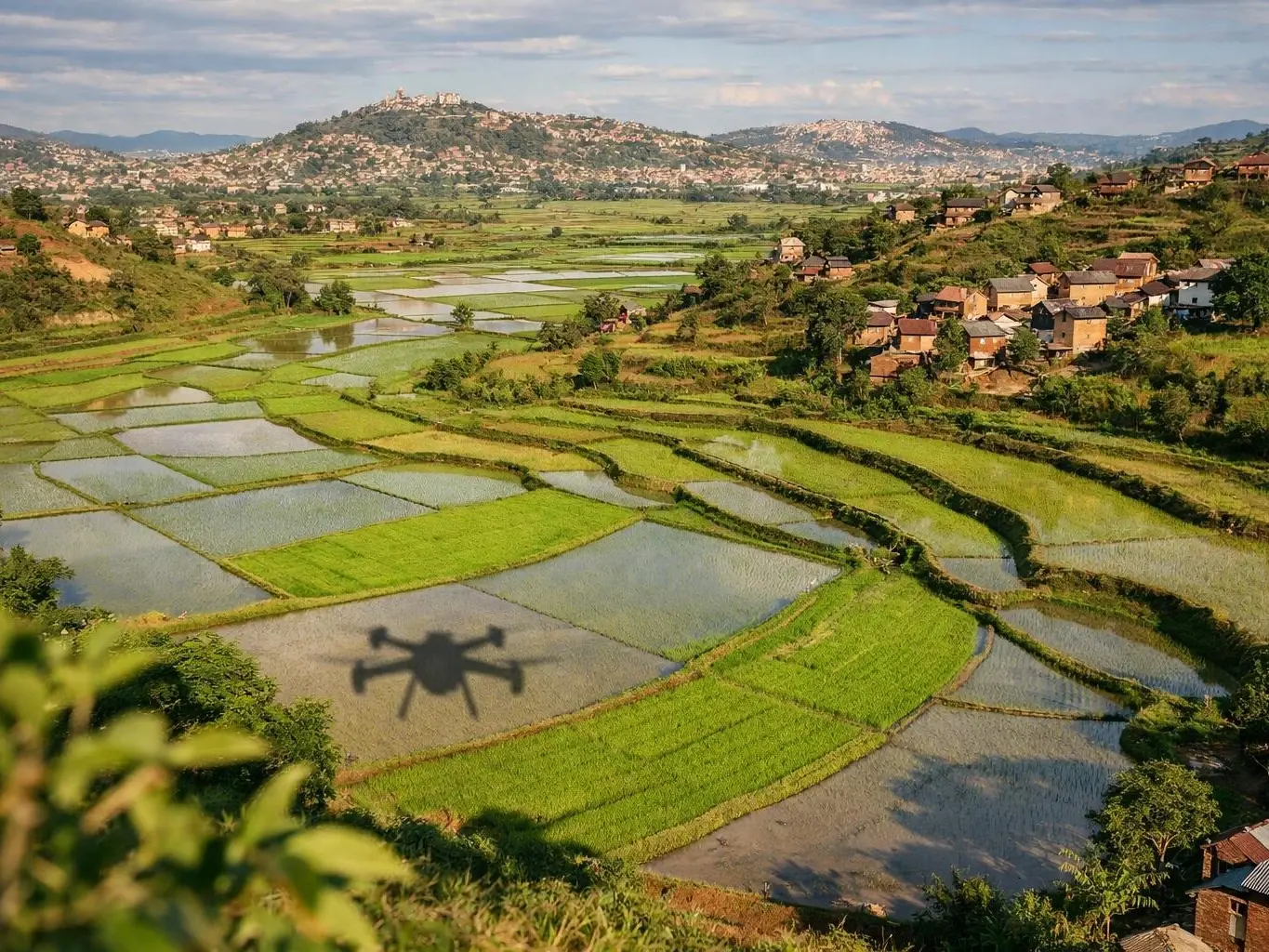
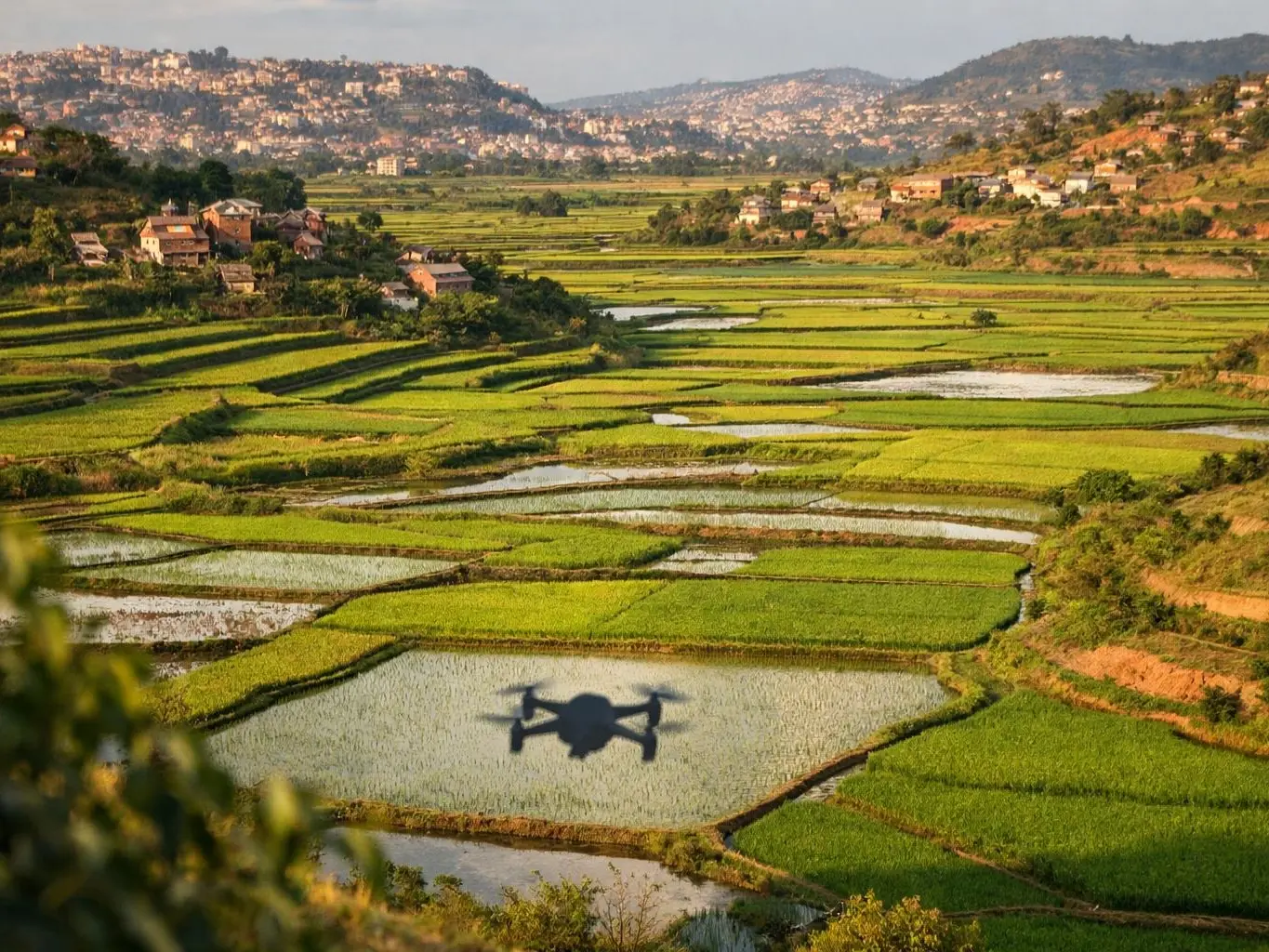
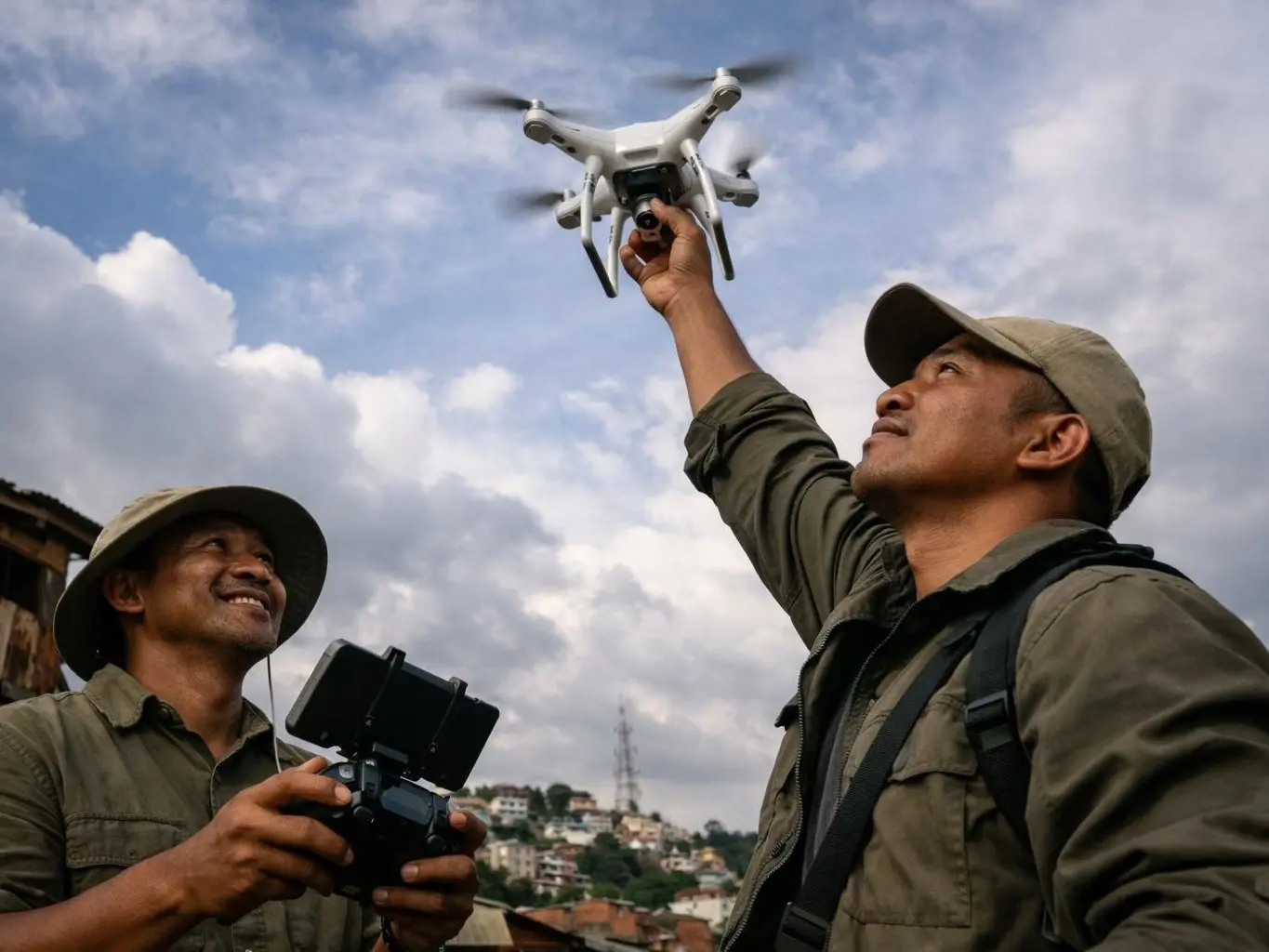
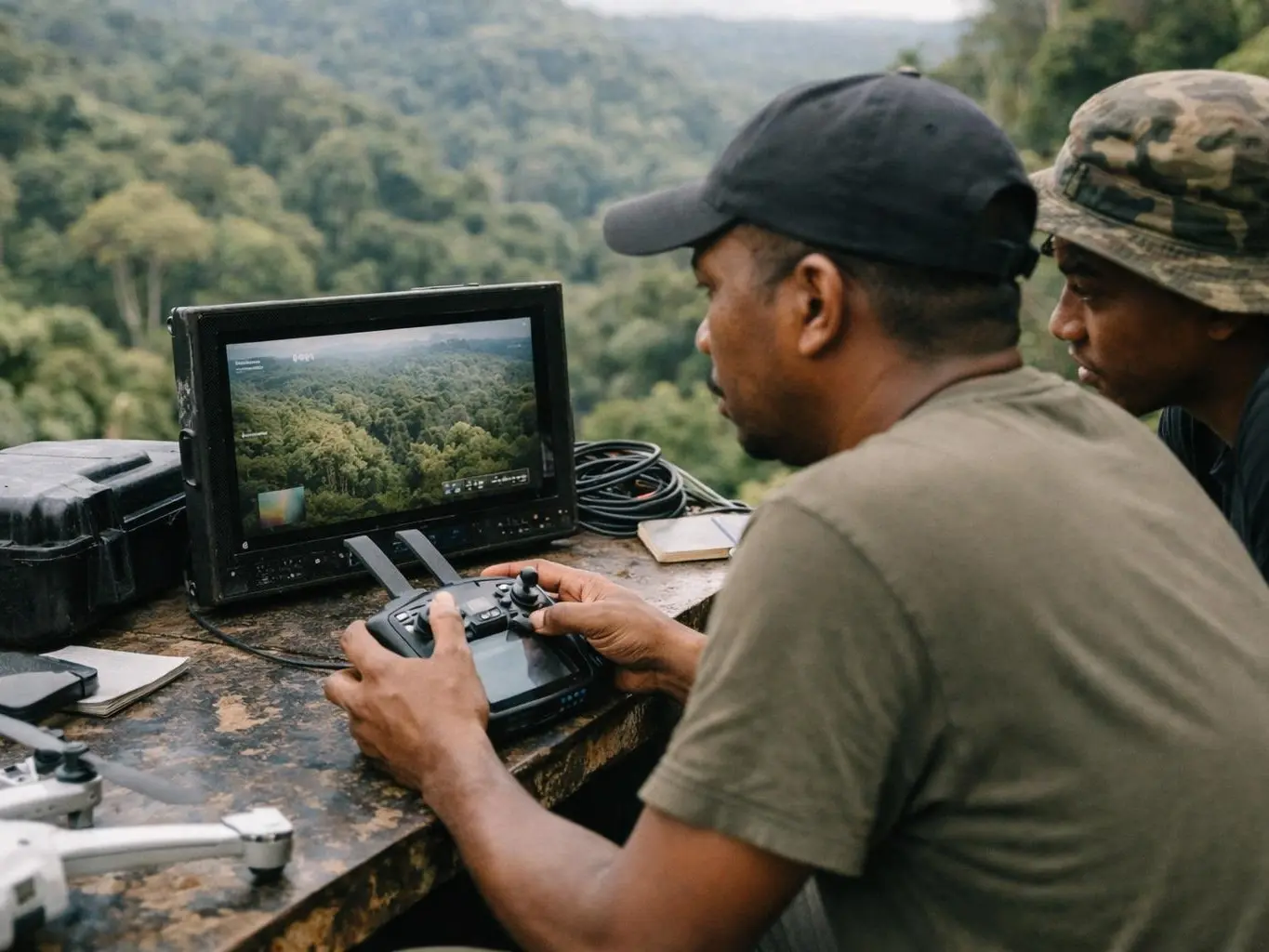
Cinematographer is the creative and technical professional responsible for capturing a film’s visual style through camera work, lighting. And shot composition. Cinematographers collaborate with directors to translate scripts into compelling images, ensuring each frame supports the story’s mood, tone. And narrative. Their decisions influence color, movement, depth.
Category
Film production role
Used for
Visual storytelling in movies, TV. And documentaries
Common confusion
Often mistaken for a camera operator, who executes shots rather than designs them
Also called
Director of Photography, DP
Often discussed with
Filming Equipment rental, Post production Video Editing Service
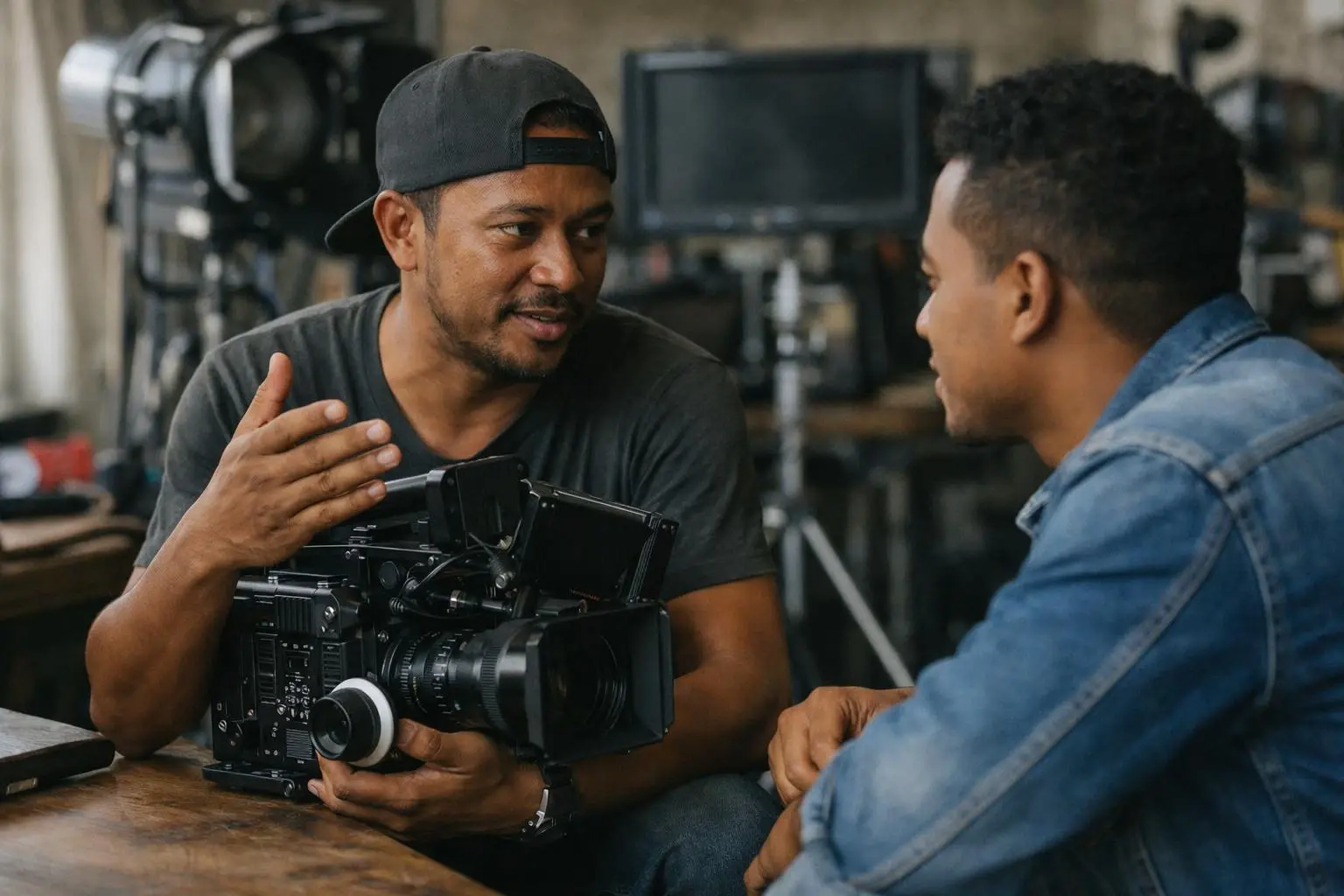
A cinematographer is also called a director of photography (DP). They handle the visual parts of a film or video. Their job isn't just operating a camera. They shape the whole look of a project.
Related glossary terms: Color grading, Camera stabilizer, Three-point lighting.
They decide on lighting, camera placement, movement. And color. These choices help tell the story visually. They create moods that feel warm, cold. Or anything in between. Cinematographers work with directors to match the visual style to the story.
They bring scripts to life by turning words into images. A dimly lit room might use soft light and shadows to create tension. A bright outdoor scene could use natural light and wide angles to show freedom. Their skills include knowing how lenses, filters. And movements affect viewers.
They also think about set design and costumes. Everything must work together to support the story.
Cinematographers follow a clear process to achieve their vision. Before filming starts, they meet with the director and other leaders. They discuss the project’s visual style.
They review storyboards, shot lists. And location reports. This helps them plan how to film each scene. They may test cameras and lighting to try different setups. During filming, they lead the camera and lighting crews.
They make quick changes if weather or actors move differently. Tools are a big part of their work. They pick cameras based on resolution, sensitivity. And range. They choose between digital and film formats for each project.
Lighting is another key tool. They use natural light, artificial lights. And modifiers like diffusers. They decide on camera movements, like pans or tracking shots. These can add energy or subtlety to a scene. After filming, they work with colorists to fine-tune the look.
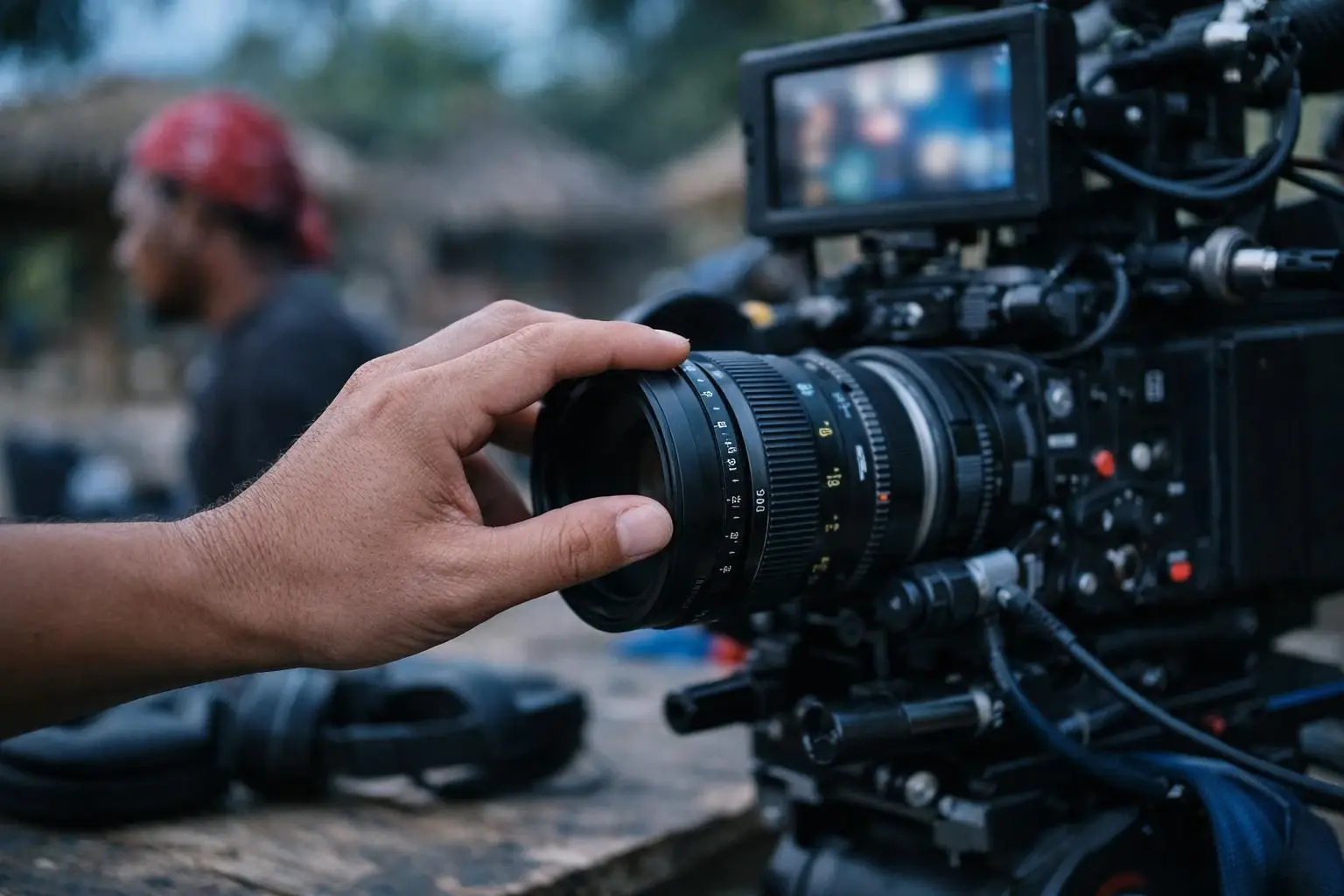
Cinematographers help turn a script into an emotional experience. A strong visual style makes stories feel real. Viewers connect more with characters and settings.
Close-ups can show a character’s emotions. Wide shots can show the size of a place. Lighting can guide the audience’s attention. It can highlight important details or create suspense. Without good cinematography, even great scripts can feel flat.
For local customers, cinematographers also improve technical quality. They make sure footage is clear and well-lit. Each shot must match the next. This is important for editing. Mismatched visuals can distract viewers.
They help manage budgets too. They pick affordable tools and techniques. This achieves the look without extra costs. Their mix of creativity and practicality is valuable.
Cinematographers are key at every filmmaking stage. Their work stands out in certain situations. In pre-production, they shape the visual approach. This affects choices about locations, sets. And costumes.
On set, they solve problems like low light or tight spaces. They adjust for weather or unexpected changes. This keeps filming on schedule. In post-production, they work with colorists. The final product matches the intended mood and style.
Some genres need strong cinematography to succeed. Horror films use lighting and shadows to build tension. Action movies rely on dynamic camera movements. Documentaries capture real moments in tough conditions.
Commercials and corporate videos benefit too. Good visuals can engage viewers or lose them. Cinematographers turn ordinary material into something special.
A camera operator executes the cinematographer’s vision by physically operating the camera. While the cinematographer designs the visual style and oversees the entire camera and lighting team.
The director focuses on storytelling, performance. And overall vision. While the cinematographer specializes in the visual execution of that vision through camera work and lighting.
A colorist enhances footage in post-production. While the cinematographer shapes the visual style during filming, including decisions about lighting and camera techniques.
A great cinematographer balances technical precision with creative intuition. They don’t just follow trends—they develop a unique visual language that serves the story and elevates the director’s vision, often making the difference between a good film and a memorable one.
In the film <em>The Revenant</em>, cinematographer Emmanuel Lubezki used natural light and long takes to immerse audiences in the harsh wilderness. His collaboration with director Alejandro González Iñárritu created breathtaking visuals that enhanced the story’s raw emotion and realism, earning Lubezki an Academy Award for Best Cinematography.
Color grading is the process of adjusting and enhancing the color, contrast. And overall visual tone of film or video footage in post-production. Color grading refines raw footage to achieve a consistent look, evoke emotions.
A camera stabilizer cuts shakes and bumps while filming. It keeps video smooth. This helps when you walk, run. Or ride. The shots stay steady even in rough places.
Three-point lighting is a standard film and photography lighting technique that uses three distinct light sources to illuminate a subject clearly and create depth. These lights—key light, fill light. And backlight—work together to reduce harsh shadows, highlight features.
Depth of field is the range of distance in a scene that appears acceptably sharp in a photograph or film frame. It determines how much of the foreground, subject.
An ND filter is a glass piece you put in front of a lens. It cuts light that hits the sensor. The colors and contrast stay the same. Filmmakers use it to keep a blurry background or slow shots in bright light. It lets them open the lens wide while keeping the shot dark enough.
PRO FIXERS MADAGASCAR
Contact PRO FIXERS MADAGASCAR for practical guidance on Cinematographer and related film production madagascar work in Madagascar.