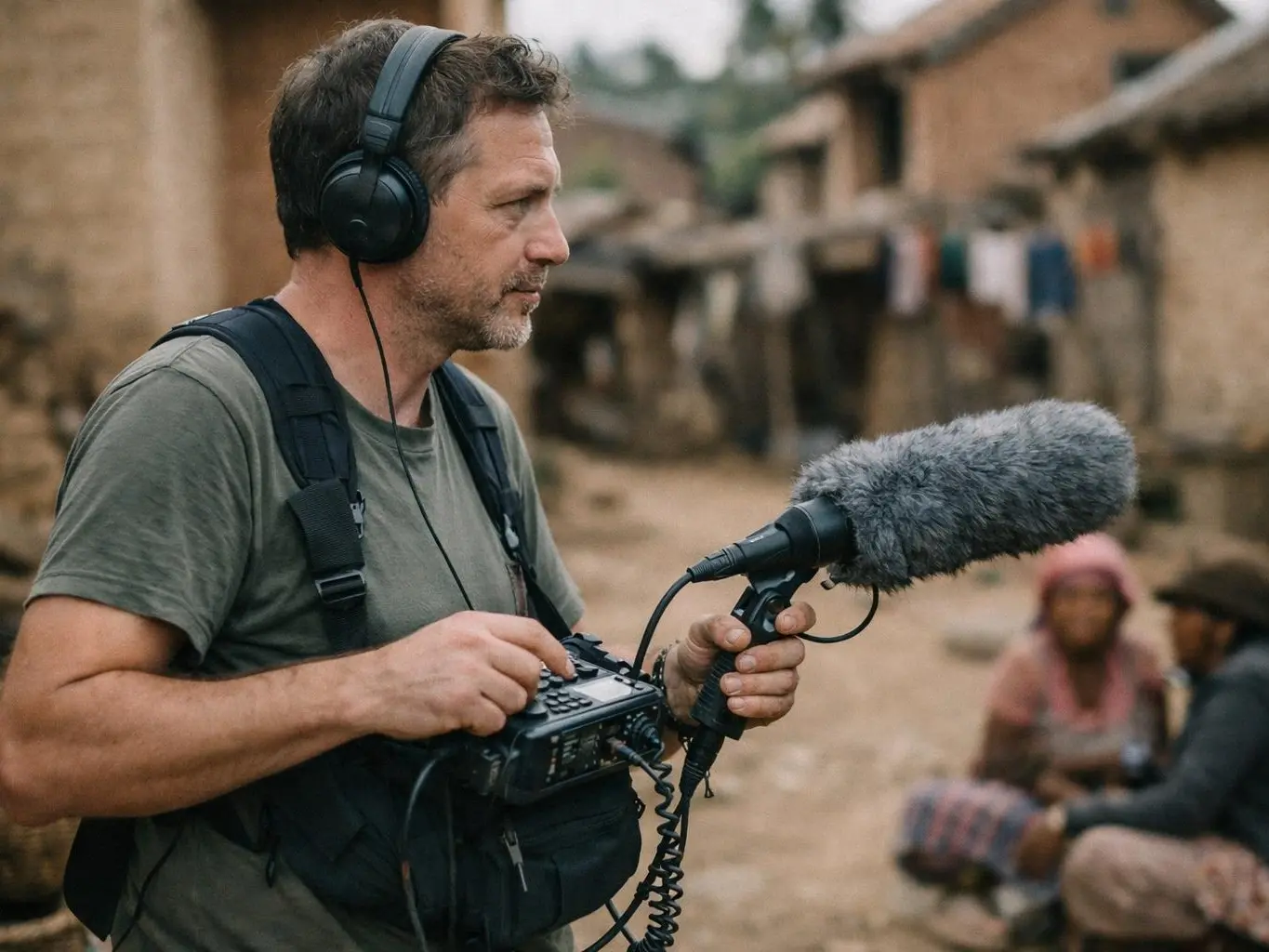
Depth of field is the range of distance in a scene that appears acceptably sharp in a photograph or film frame. It determines how much of the foreground, subject.
Category
Cinematography technique
Used for
Controlling focus and visual storytelling
Common confusion
Depth of field vs. Depth of focus
Also called
DOF, focus range
Often discussed with
Filming Equipment rental
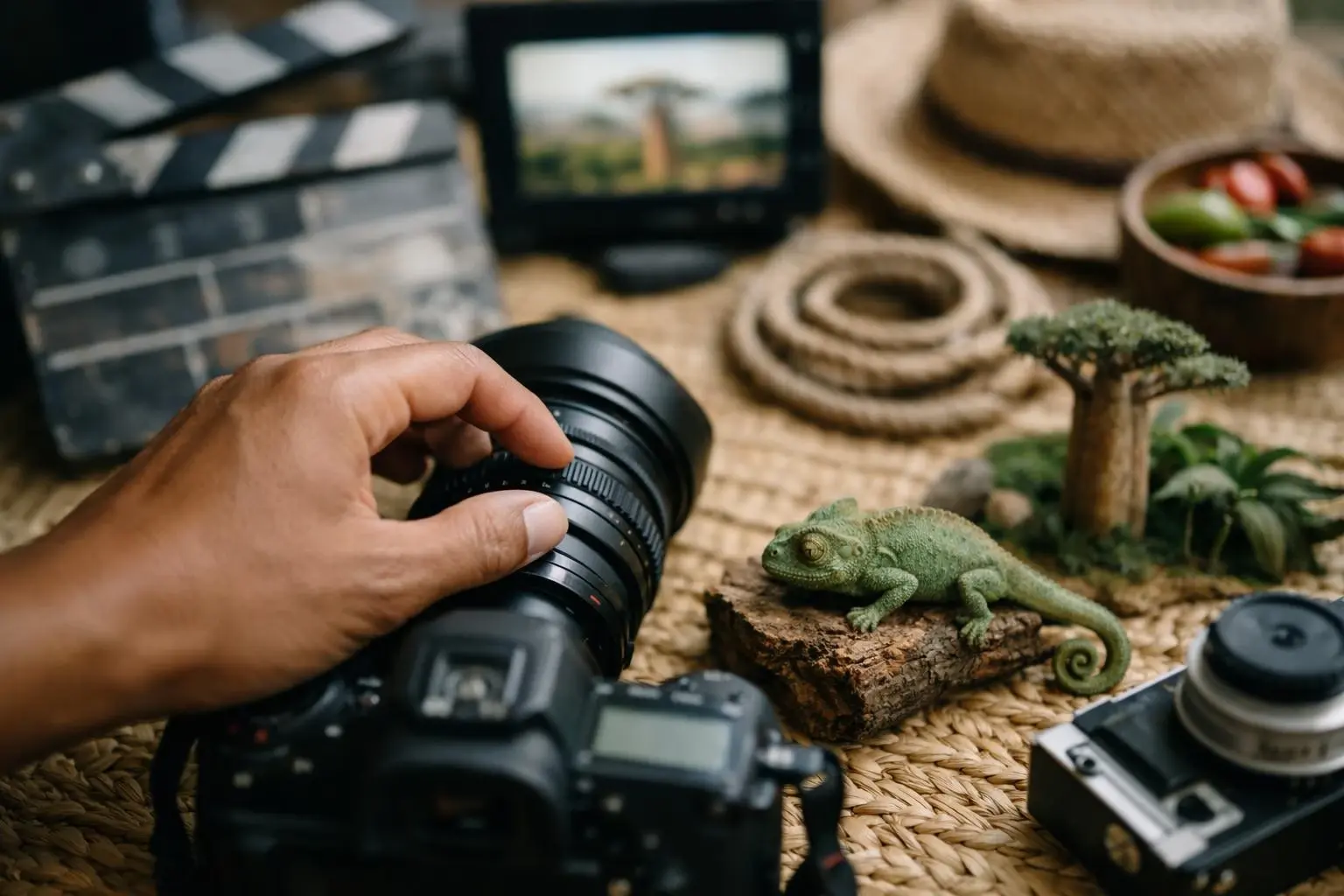
Depth of field is the area in a scene that looks sharp. This zone sits both in front of and behind where the camera focuses.
Related glossary terms: Cinematographer, ND filter, Aerial cinematography.
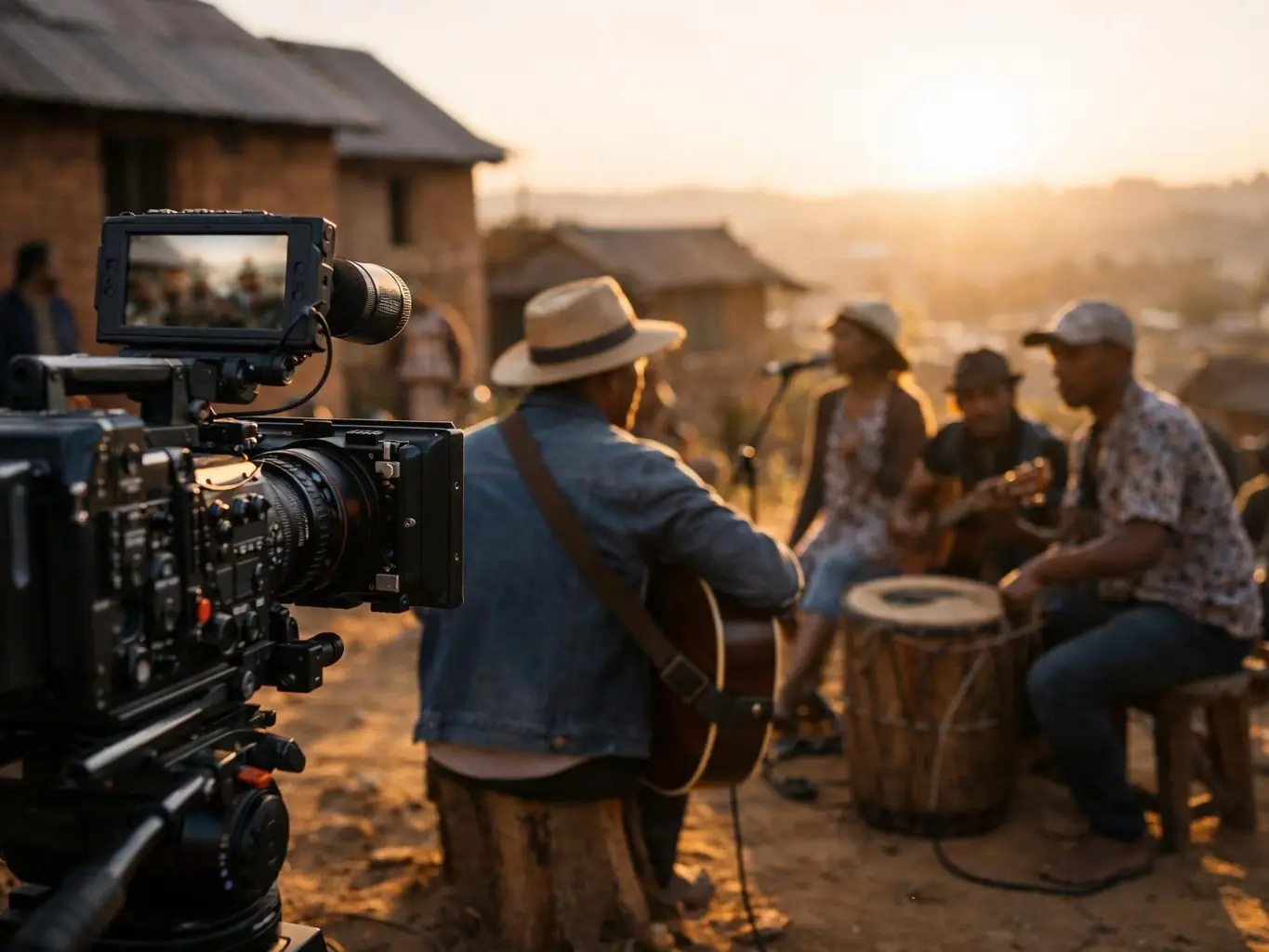
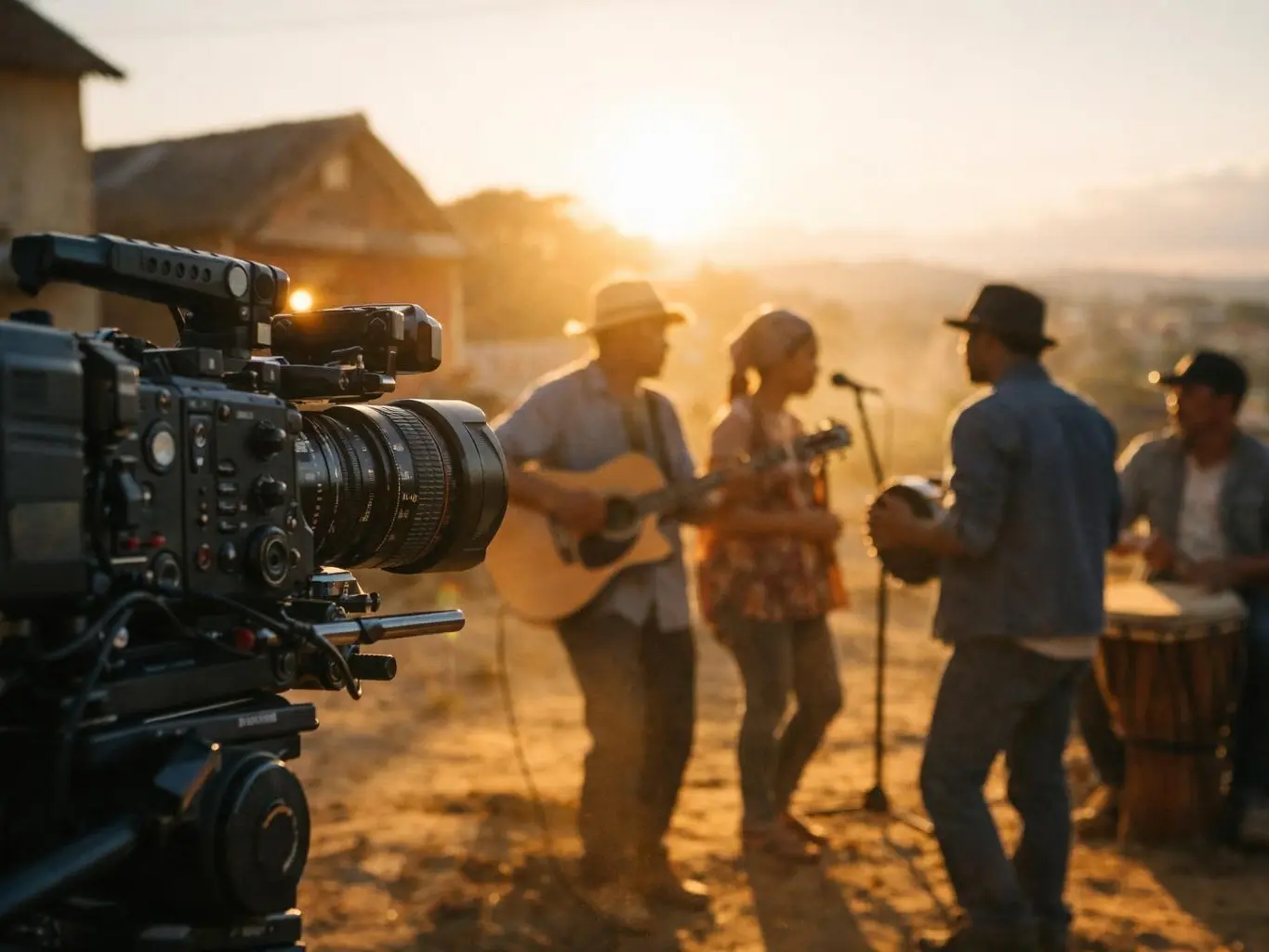
A shallow depth of field means only a small part is sharp. Often, just the main subject stays clear while everything else blurs.
A deep depth of field keeps most of the scene sharp. It shows both close objects and far backgrounds clearly.
This choice helps guide viewers' eyes. It shows them what matters most in the scene.
Depth of field isn't just technical. It's a creative tool for filmmakers.
They use it to set mood or separate characters from their surroundings. It can also reveal important details.
For example, a shallow depth of field can make a character pop. The background blurs. So their emotions stand out.
A deep depth of field works well in documentaries. It shows both the subject and their environment clearly.
Knowing how depth of field works helps filmmakers tell better stories.
Three things affect depth of field. They are aperture, focal length. And distance to the subject.
Aperture controls how much light enters the lens. It's measured in f-stops.
A wide aperture, like f/1.8, lets in more light. It also creates a shallow depth of field and blurs backgrounds.
A narrow aperture, like f/16, lets in less light. But it keeps more of the scene sharp.
That's why photographers use narrow apertures. They want everything from rocks to mountains to stay in focus.
Focal length matters too. Longer lenses, like 85mm, compress the scene.
They make depth of field shallower, even at the same aperture. Wide-angle lenses, like 16mm, do the opposite.
They stretch the scene and increase depth of field. This makes them great for big shots where everything needs to be sharp.
The distance to the subject also plays a role. The closer the camera, the shallower the depth of field.
That's why close-ups often have very little sharpness beyond the main focus.
Filmmakers mix these factors to get the look they want. For example, they might use a long lens with a wide aperture.
This creates a dreamy, blurred background for romantic scenes. Documentary filmmakers might do the opposite.
They use a wide-angle lens with a narrow aperture. This keeps both the person and their surroundings sharp.
Understanding these elements helps filmmakers control depth of field. They can make it work for their story, not against it.
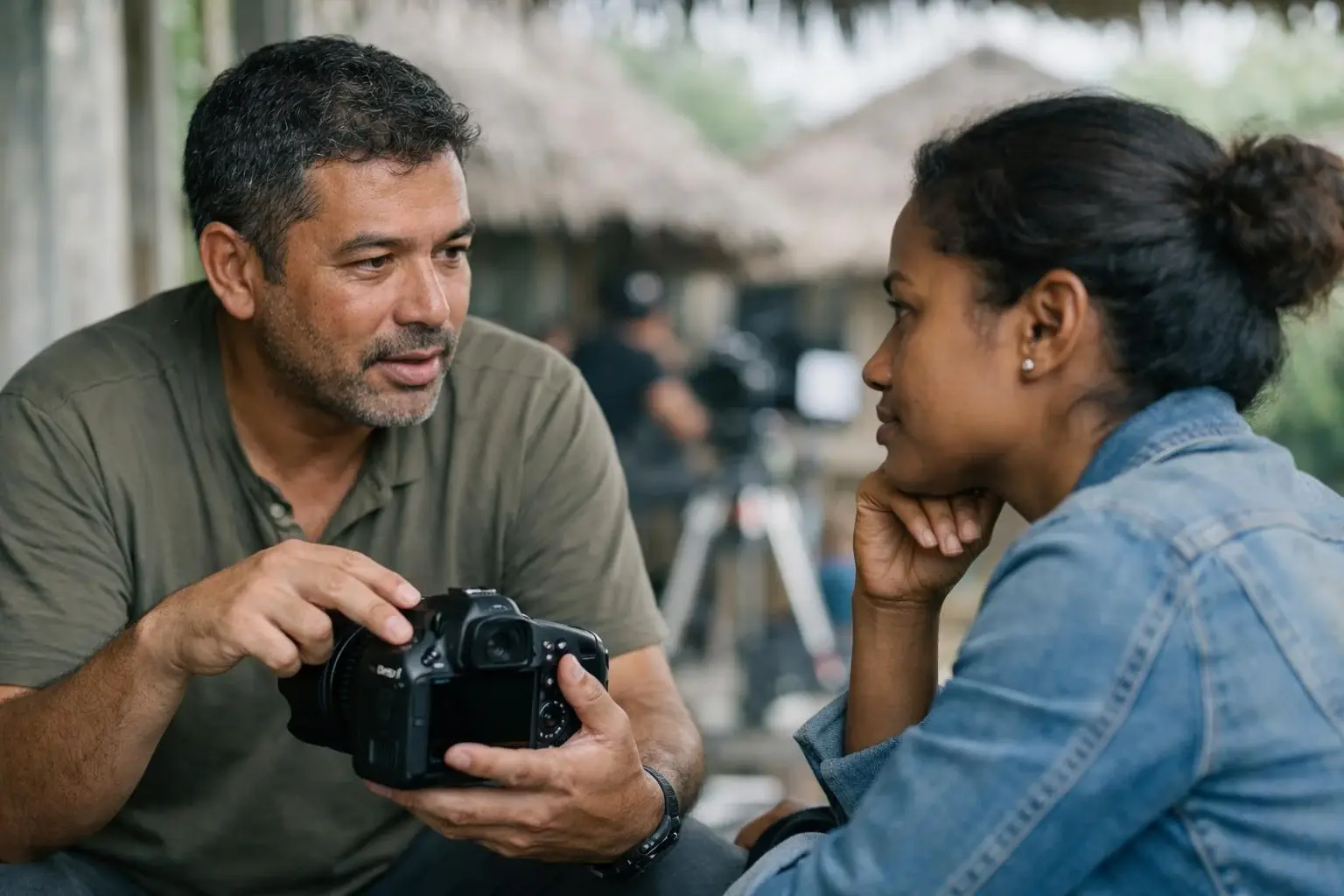
Depth of field does more than just show sharp images. It changes how viewers experience a film.
A shallow depth of field can focus on one thing. It might be a face or a small object.
This draws attention to that element. It's often used in dramas or thrillers to create tension.
A deep depth of field lets viewers see more. They can explore the whole scene and notice important details.
This works well in documentaries or films where the setting tells part of the story.
Depth of field also shapes a film's style. A shallow depth of field can look cinematic and high-end.
A deep depth of field feels more natural. It's like what you see with your own eyes.
Filmmakers pick depth of field based on their story. They think about the emotions they want to create.
The wrong choice can distract viewers. It might even weaken the scene's impact.
Depth of field is key when focus tells the story. In a scene with two people talking, it can shift focus between them.
This guides the audience's attention. It shows who is speaking or reacting.
In action scenes, a deep depth of field keeps everything sharp. Viewers can follow the movement and chaos.
Depth of field matters in low light too. Filmmakers balance aperture, ISO. And shutter speed to get the right exposure.
A wide aperture helps in dim light. But it might make depth of field too shallow for the shot.
Then, filmmakers must choose. They pick between sharpness, exposure. Or creative look.
In documentaries, depth of field helps too. It keeps real-life moments clear without unwanted blur.
In Madagascar, filming spots vary a lot. They range from rainforests to busy markets.
A shallow depth of field can isolate a subject in a crowd. A deep one can show the beauty of a vast scene.
Knowing how to use depth of field helps filmmakers. They can work around limits and create strong visuals anywhere.
Depth of focus refers to the range within the camera where the image remains sharp. While depth of field refers to the range in front of the camera where objects appear sharp.
Bokeh describes the quality and aesthetic of the out-of-focus areas in a shot. While depth of field determines how much of the scene is in focus.
Depth of field is not just about sharpness—it’s about storytelling. A well-chosen depth of field can make a scene feel intimate or expansive. But it must align with the narrative. Always test your settings on location, as lighting and environment can change the effect dramatically.
In a wildlife documentary filmed in Madagascar’s Andasibe-Mantadia National Park, the cinematographer uses a shallow depth of field to isolate a lemur sitting on a branch. The background blurs into soft greens and browns, drawing the viewer’s attention to the animal’s expressive face and subtle movements. This technique helps convey the lemur’s emotions and creates a sense of intimacy with the subject.
Cinematographer is the creative and technical professional responsible for capturing a film’s visual style through camera work, lighting. And shot composition. Cinematographers collaborate with directors to translate scripts into compelling images, ensuring each frame supports the story’s mood, tone. And narrative. Their decisions influence color, movement, depth.
An ND filter is a glass piece you put in front of a lens. It cuts light that hits the sensor. The colors and contrast stay the same. Filmmakers use it to keep a blurry background or slow shots in bright light. It lets them open the lens wide while keeping the shot dark enough.
Aerial cinematography is the practice of capturing moving images from elevated perspectives using aircraft, drones. Or other airborne platforms. It involves specialized cameras, stabilization systems. And skilled operators to film scenes that ground-based equipment can't reach, such as sweeping landscapes, dynamic action sequences. Or large-scale events. This technique enhances visual storytelling by providing unique angles and immersive views.
A camera stabilizer cuts shakes and bumps while filming. It keeps video smooth. This helps when you walk, run. Or ride. The shots stay steady even in rough places.
Color grading is the process of adjusting and enhancing the color, contrast. And overall visual tone of film or video footage in post-production. Color grading refines raw footage to achieve a consistent look, evoke emotions.
PRO FIXERS MADAGASCAR
Contact PRO FIXERS MADAGASCAR for practical guidance on Depth of field and related film production madagascar work in Madagascar.