Storyboard is a visual sequence of illustrations, sketches. Or images arranged in order to pre-visualize a film, animation, commercial. Or video project. Storyboards help directors, cinematographers. And crew members plan shots, camera angles, lighting.
Category
Pre-production planning tool
Used for
Visualizing scenes, shot planning. And team alignment
Common confusion
Storyboards are not final animations or finished frames
Also called
Storyboard panels, Shot board
Often discussed with
Film permit Application service, Post production Video Editing Service
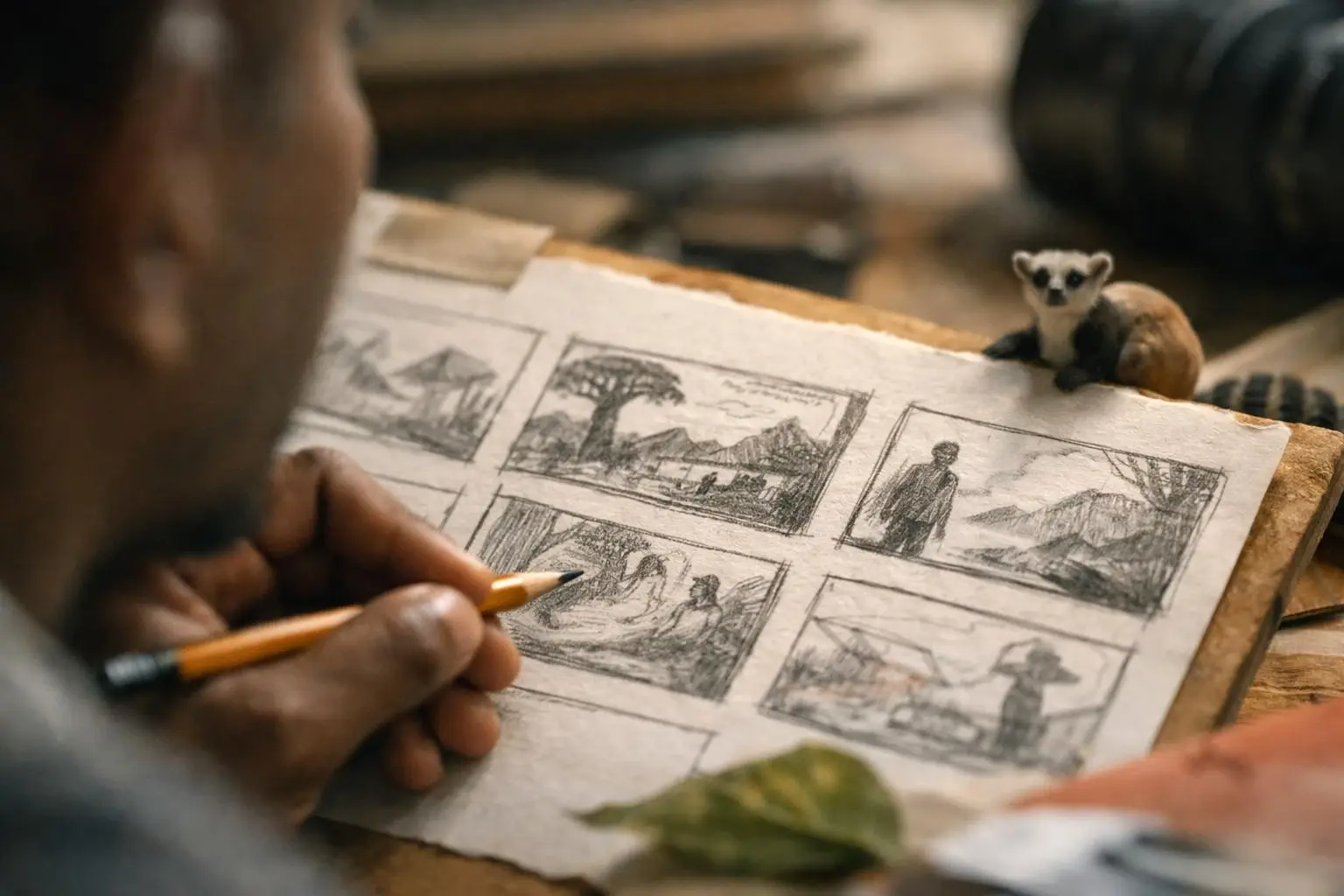
A storyboard is a series of images or illustrations displayed in sequence to outline the key visual moments of a film, video. Or animation. Think of it as a comic-strip version of a script, where each panel represents a specific shot, camera angle. Or action. Storyboards help filmmakers, directors. And crew members visualize how scenes will look and flow before any filming takes place. This pre-visualization step is crucial because it allows teams to spot potential issues, adjust compositions. And agree on creative choices early in the process, reducing costly mistakes during production.
Related glossary terms: Script breakdown, Cinematographer, Post-production supervisor.
Storyboards can range from rough sketches on paper to polished digital renderings, depending on the project’s needs and budget. While big-budget films often use detailed storyboards for complex scenes, smaller productions or commercials might use simple stick figures or photographs. Regardless of the style, the goal remains the same: to translate written ideas into visual plans that guide the entire production team. This includes cinematographers deciding on camera movements, art directors planning set designs. And editors understanding how scenes will cut together.
Creating a storyboard typically begins with breaking down the script into individual shots or scenes. Each shot is then sketched or described in a panel, along with notes about camera angles, movement, dialogue. Or sound effects. For example, a panel might show a wide shot of a character entering a room, followed by a close-up of their facial expression. These panels are arranged in order, often on a board or digital timeline, to reflect the sequence of the final edit. So you can the director to experiment with pacing, transitions. And visual storytelling before committing to filming.
In professional productions, storyboards are often paired with shot lists, which provide additional technical details like lens choices, lighting setups. Or actor blocking. Some teams also use animatics—rough animated versions of the storyboard—to test timing and movement. For instance, an action sequence might require multiple storyboard panels to show a chase scene from different angles, helping the stunt coordinator and cinematographer plan safely and efficiently. Digital tools like Storyboard Pro, Adobe Photoshop. Or even simple apps allow teams to create, edit. And share storyboards collaboratively, making the process faster and more flexible.
Storyboards are not just for live-action films. Animators, game designers. And advertisers also rely on them to plan scenes, character movements. And visual effects. In animation, storyboards serve as the foundation for the entire project, guiding animators through each frame. In advertising, they help clients visualize commercials before production begins, ensuring the message is clear and the creative vision aligns with the brand. Whether for a 30-second ad or a feature-length film, storyboards simplify communication and reduce guesswork during production.
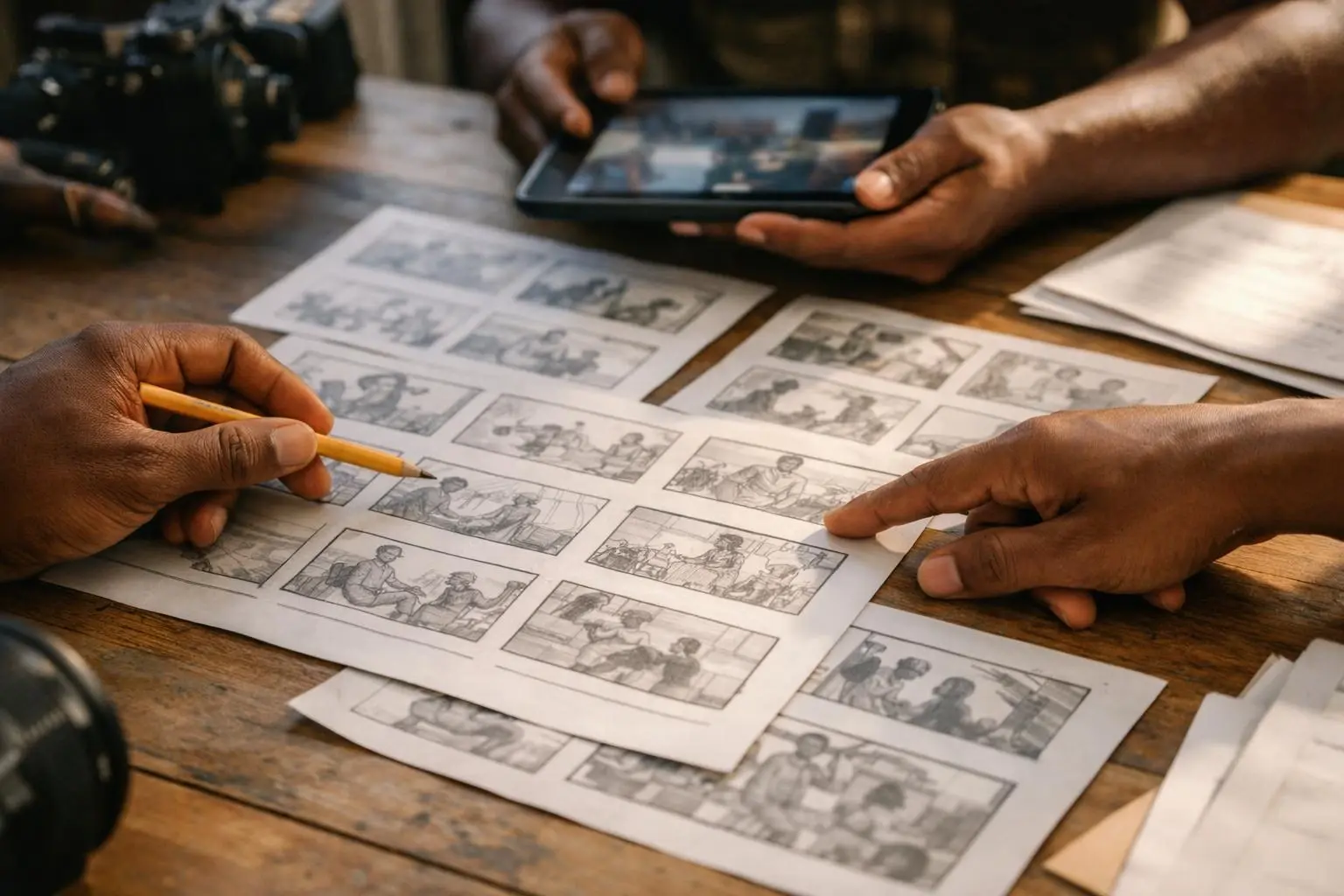
Storyboards are essential because they bridge the gap between a written script and the final visual product. Without them, filmmakers risk miscommunication, wasted time. And costly reshoots. For example, a director might imagine a scene one way. While the cinematographer interprets it differently. A storyboard ensures everyone shares the same vision, reducing confusion and aligning the team’s efforts. That means especially important in large productions, where dozens or even hundreds of crew members need to work together smoothly. Storyboards also help secure funding or approval from producers and clients by providing a tangible preview of the project’s look and feel.
Beyond logistics, storyboards boost creativity by allowing filmmakers to experiment with different compositions, camera angles. And pacing. A director can try out multiple versions of a scene—such as a dramatic close-up versus a wide shot - to see which works best before filming begins. This iterative process saves time and resources compared to making changes on set or in post-production. And storyboards help editors understand the intended flow of a scene, making the editing process smoother and more efficient. Ultimately, storyboards turn abstract ideas into actionable plans, ensuring the final product matches the original vision.
Storyboards are particularly critical in high-stakes productions where time, budget. Or safety are concerns. For example, action sequences, visual effects-heavy scenes. Or complex camera movements benefit greatly from pre-visualization. A storyboard can help the stunt team plan a car chase, ensuring each shot is feasible and safe. Similarly, scenes involving expensive special effects, like CGI creatures or explosions, require detailed storyboards to coordinate the practical and digital elements smoothly. Without this planning, productions risk overshooting, going over budget. Or delivering a final product that doesn’t meet expectations.
Storyboards are also invaluable for projects with tight schedules or remote locations. In Madagascar, for instance, filming in remote areas or during short weather windows demands careful planning to avoid costly delays. A storyboard ensures that every shot is accounted for, reducing the risk of missing critical moments. And storyboards help teams working across languages or cultures align their creative vision, as visuals transcend verbal communication barriers. Whether for a documentary, commercial. Or feature film, storyboards ensure that the production stays on track, on budget. And true to the director’s vision.
Even in smaller projects, storyboards add value by clarifying the director’s intent and helping the team work more efficiently. For example, a corporate video or low-budget short film can use simple storyboards to plan shots, saving time during filming and editing. In these cases, storyboards don’t need to be polished, they just need to communicate the key ideas clearly. Ultimately, storyboards are a tool for every filmmaker, regardless of budget or scale, to bring their vision to life with precision and creativity.
A script breakdown lists all elements needed for a scene (props, costumes, locations). While a storyboard visually plans how the scene will look on screen.
A shot list is a written inventory of every camera setup. While a storyboard shows those setups visually in sequence.
An animatic is a rough animated version of the storyboard, often with temporary sound, used to test timing and movement before filming.
Storyboards don’t need to be works of art—clarity and communication are what matter. Even rough sketches can save hours of filming time by ensuring everyone understands the vision before cameras roll.
For a scene in a Madagascar wildlife documentary, the storyboard might include a wide shot of lemurs in a forest canopy, followed by a close-up of a lemur’s face. And then a tracking shot as the lemurs move through the trees. Notes might specify natural lighting and a handheld camera for a documentary feel.
Script breakdown is a step-by-step look at a film or video script. It finds and lists all items needed to make the film. This includes places, people, props, clothes, special effects. And sounds. The list helps plan costs, schedules. And resources before filming starts.
Cinematographer is the creative and technical professional responsible for capturing a film’s visual style through camera work, lighting. And shot composition. Cinematographers collaborate with directors to translate scripts into compelling images, ensuring each frame supports the story’s mood, tone. And narrative. Their decisions influence color, movement, depth.
Post-production supervisor is a senior role responsible for overseeing all technical and creative stages after filming ends, including editing, sound design, visual effects, color grading. And final delivery. Post-production supervisors coordinate teams, manage budgets.
Film permit is film permits are official documents issued by government authorities that grant legal permission to film crews to conduct production activities in specific public or private locations. They ensure compliance with local laws, protect locations from unauthorized use. And outline conditions such as filming hours, equipment restrictions.
Documentary filmmaking is a non-fiction filmmaking process that captures real-life events, people, places. Or issues to educate, inform. Or raise awareness. Unlike fictional films, it relies on factual content, interviews, archival footage.
PRO FIXERS MADAGASCAR
Contact PRO FIXERS MADAGASCAR for practical guidance on Storyboard and related film production madagascar work in Madagascar.