Script breakdown is a step-by-step look at a film or video script. It finds and lists all items needed to make the film. This includes places, people, props, clothes, special effects. And sounds. The list helps plan costs, schedules. And resources before filming starts.
Category
Pre-production planning
Used for
Budgeting, scheduling. And resource allocation
Common confusion
Mistaken for scriptwriting or storyboarding
Also called
Script analysis, Production breakdown
Often discussed with
Film permit Application service, Location scouting

Script breakdown is a fundamental step in pre-production that transforms a written script into a practical blueprint for filming. Every scene in a script contains hidden details—characters, props, wardrobe, vehicles, animals. And locations—that must be identified before cameras roll. Without a thorough breakdown, production teams risk overlooking critical elements, leading to delays, cost overruns. Or compromised creative vision. The process involves reading each scene carefully and tagging every requirement, ensuring nothing is missed.
Related glossary terms: Film permit, Production assistant, Storyboard.
While script breakdown is often associated with big-budget films, it's equally important for documentaries, corporate videos. And commercials. Even a short script for a promotional video may require specific props, talent. Or locations that must be secured in advance. The breakdown serves as the bridge between the creative script and the logistical realities of production, making it indispensable for producers, directors. And department heads.
The script breakdown process typically begins with a line-by-line analysis of the script. Each scene is reviewed. And every element is categorized using a standardized system. Common categories include props, costumes, makeup, special effects, stunts, vehicles, animals. And locations. For example, if a scene requires a vintage car, a prop gun. And two actors in period costumes, each of these items is listed separately under its respective category. This categorization helps production teams assign responsibilities and track requirements efficiently.
Once the elements are identified, they're compiled into breakdown sheets or digital reports. These sheets are shared with department heads, such as the art director, costume designer. And location manager, who use them to prepare their teams. The breakdown also feeds into the shooting schedule, ensuring that scenes with similar requirements—such as those needing the same location or props, are grouped together to save time and resources. Software tools like Movie Magic Scheduling or Celtx are often used to simplify the process. But manual breakdowns remain common for smaller productions.

A well-executed script breakdown is the foundation of a smooth production. It ensures that all departments are aligned and prepared, reducing the risk of last-minute scrambles for missing props, costumes. Or locations. For example, if a scene requires a rare prop that takes weeks to source, the breakdown alerts the production team early, allowing them to secure it before filming begins. This level of preparation minimizes downtime on set, which can be costly, especially for productions with tight schedules or limited budgets.
Beyond logistics, the script breakdown also plays a critical role in budgeting. By identifying every requirement upfront, producers can estimate costs accurately and allocate funds appropriately. For instance, scenes requiring special effects or stunts may require additional funding, which can be accounted for in the initial budget rather than discovered mid-production. This financial clarity helps avoid overspending and ensures that creative decisions are made within realistic constraints.
Script breakdown is most critical during the pre-production phase. But its impact extends throughout filming and even into post-production. For productions with complex scenes - such as those involving large crowds, period settings. Or special effects, the breakdown ensures that every detail is accounted for before shooting begins. Without it, productions risk facing unexpected challenges, such as unavailable locations or missing props, which can derail schedules and increase costs.
In Madagascar, where film productions often involve unique locations, wildlife. Or cultural elements, script breakdown takes on added importance. For example, a scene set in a remote national park may require permits, safety measures. And coordination with local authorities. The script breakdown helps identify these requirements early, allowing the production team to plan accordingly and avoid delays. Similarly, productions involving local talent or traditional costumes benefit from a thorough breakdown, ensuring that cultural details are respected and logistically feasible.
A storyboard visualizes scenes with sketches or images. While script breakdown identifies production elements like props and locations.
A shooting schedule organizes filming days. While script breakdown provides the raw data needed to create that schedule.
A script breakdown is only as good as its accuracy. Missing even small details—like a minor prop or background actor—can lead to costly delays. Always cross-check the breakdown with department heads to ensure nothing is overlooked.
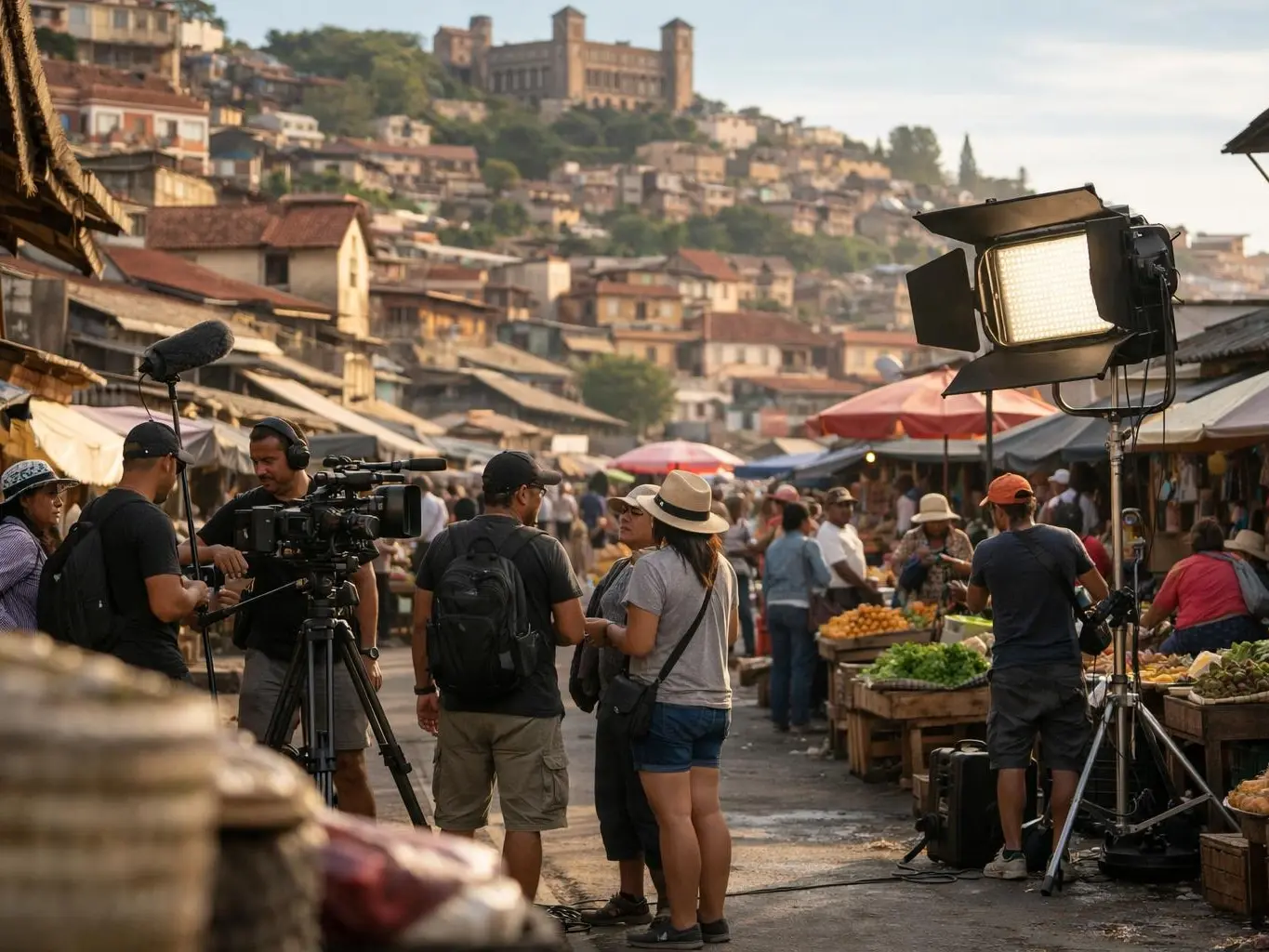
For a scene in a Madagascar market, the list would note local extras, traditional clothes, market stalls. And permits. This helps the team get everything ready before filming.
Film permit is film permits are official documents issued by government authorities that grant legal permission to film crews to conduct production activities in specific public or private locations. They ensure compliance with local laws, protect locations from unauthorized use. And outline conditions such as filming hours, equipment restrictions.
Production assistants are new crew members. They help film, TV. Or video projects. They do tasks like moving gear, running errands. And setting schedules. They make sure work flows well on set or before filming starts. They also help teams talk to each other. They link different groups.
Storyboard is a visual sequence of illustrations, sketches. Or images arranged in order to pre-visualize a film, animation, commercial. Or video project. Storyboards help directors, cinematographers. And crew members plan shots, camera angles, lighting.
Post-production supervisor is a senior role responsible for overseeing all technical and creative stages after filming ends, including editing, sound design, visual effects, color grading. And final delivery. Post-production supervisors coordinate teams, manage budgets.
PRO FIXERS MADAGASCAR
Contact PRO FIXERS MADAGASCAR for practical guidance on Script breakdown and related film production madagascar work in Madagascar.