Production assistants are new crew members. They help film, TV. Or video projects. They do tasks like moving gear, running errands. And setting schedules. They make sure work flows well on set or before filming starts. They also help teams talk to each other. They link different groups.
Category
Entry-level film crew role
Used for
Logistics, coordination. And department support
Common confusion
Mistaken for personal assistants or higher-level coordinators
Also called
PA, Set PA
Often discussed with
Film permit Application service, Location scouting

Production assistants, often abbreviated as PAs, are the backbone of film, television. And video productions. They perform a wide range of tasks that keep the production running smoothly, from administrative work to hands-on support for departments like camera, sound. Or art. Unlike specialized roles such as cinematographers or sound engineers, PAs are generalists who adapt to the needs of the production, whether on set, in an office. Or during pre-production planning. Their work is often behind the scenes but critical to meeting deadlines and maintaining organization.
Related glossary terms: Film permit, Location release, Script breakdown.
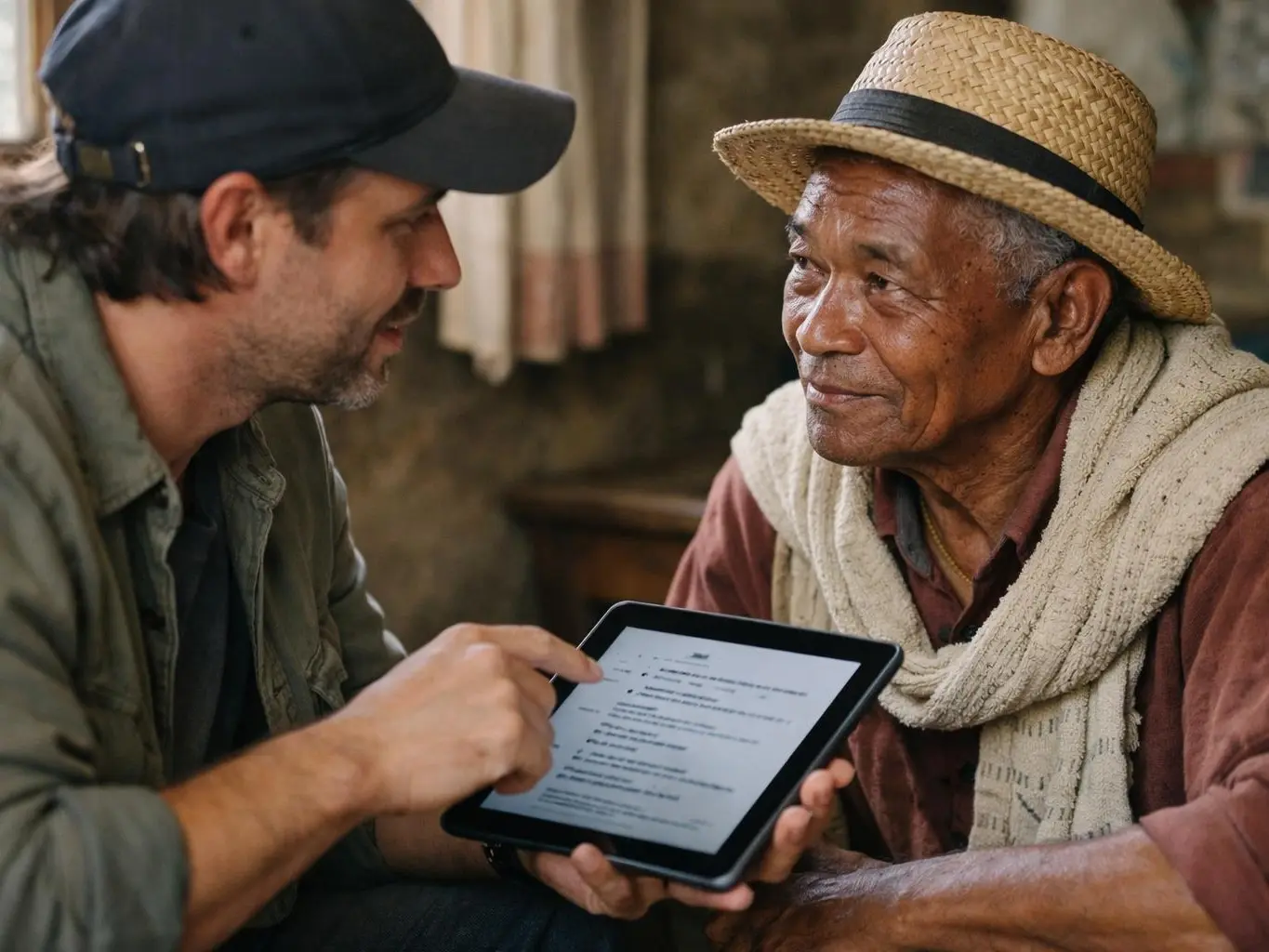
In Madagascar, where film productions may face unique logistical challenges—such as remote locations, limited infrastructure. Or language barriers—production assistants play an even more vital role. They help bridge gaps between local crews and international teams, ensuring that equipment, permits. And schedules align with the production’s goals. For example, a PA might coordinate transportation for crew members traveling to a rural filming site or assist with securing local permits required for filming in protected areas. Their ability to problem-solve and multitask makes them indispensable in environments where resources may be limited.
The role of a production assistant varies depending on the size and type of production. On large studio sets, PAs may specialize in specific areas, such as assisting the camera department with equipment setup or managing paperwork for the production office. On smaller indie films or documentaries, PAs often take on a broader range of tasks, including setting up lights, running cables. Or even helping with craft services (food and beverages for the crew). Regardless of the production scale, PAs typically report to the production coordinator, assistant director. Or department heads, who assign tasks based on daily needs.
A typical day for a production assistant might start with reviewing call sheets (documents outlining the day’s schedule) and ensuring that all crew members receive them. On set, they may assist with setting up equipment, marking actor positions. Or managing crowd control for scenes filmed in public spaces. During breaks, PAs might run errands, such as picking up supplies or delivering messages between departments. In pre-production, their tasks could include scouting locations, coordinating with local vendors. Or assisting with script breakdowns—analyzing scripts to identify required props, costumes. And logistics. The role demands flexibility, as PAs must pivot quickly between tasks and adapt to last-minute changes.
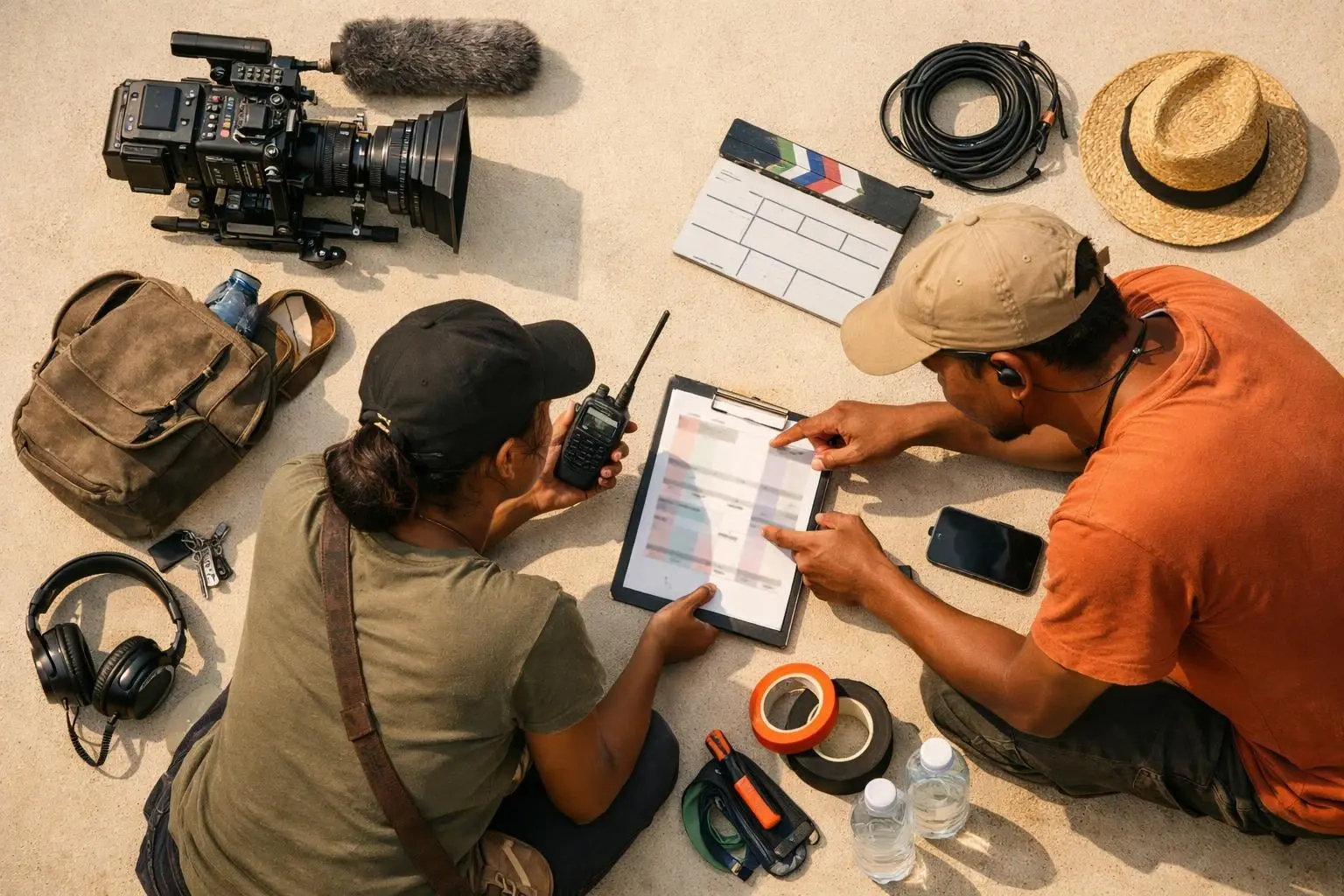
Production assistants are essential because they allow specialized crew members to focus on their core responsibilities. For example, a cinematographer can concentrate on framing shots while a PA handles equipment transport or sets up reflectors. Without PAs, productions would struggle with inefficiencies, as department heads would need to manage both creative and logistical tasks. And PAs often serve as the eyes and ears of the production, identifying potential issues, such as missing props or scheduling conflicts - before they escalate into costly delays.
Beyond logistics, PAs contribute to the collaborative spirit of a production. They interact with nearly every department, building communication and teamwork. For individuals aspiring to careers in film or television, the PA role provides invaluable experience and networking opportunities. Many industry professionals, including directors and producers, began their careers as PAs, gaining firsthand knowledge of how productions operate from the ground up. This role also teaches adaptability, resilience. And resourcefulness, skills that are transferable to any career in the entertainment industry.
Production assistants are most critical during fast-paced or complex productions, such as feature films, commercials. Or live events. In these scenarios, tight schedules and multiple moving parts require efficient coordination. And PAs help ensure that tasks are completed on time. For example, during a location shoot in Madagascar, where permits, weather. And local logistics can be unpredictable, PAs might need to problem-solve quickly - such as arranging alternative transportation if a road is blocked or coordinating with local authorities to secure filming permissions.
PAs also play a key role during pre-production, when planning and organization are vital. Tasks like script breakdowns, location scouting. And vendor coordination require careful workmanship. And PAs often assist with these processes. On set, their presence is especially valuable during long shooting days, where fatigue can lead to oversights. By managing smaller but essential tasks, such as distributing call sheets, tracking equipment. Or assisting with set changes, PAs help maintain the production’s momentum and reduce the risk of errors. In post-production, they may assist with logging footage, organizing files. Or coordinating between editors and other departments.
Production coordinators manage administrative and logistical planning for entire productions. While production assistants focus on executing tasks and supporting departments on set or in the field.
Assistant directors oversee scheduling, crew management. And on-set logistics. While production assistants handle smaller, hands-on tasks and errands to support the AD’s work.
A strong production assistant anticipates needs before they arise—whether it’s preparing equipment for the next scene or identifying potential logistical hurdles. This proactive mindset often distinguishes top performers in the role.
A PA worked on a documentary in Isalo National Park. They got permits from local guides. They set up rides for the crew. They moved gear. Rain came. The PA changed the plan. They told the team. They got backup spots ready.
Film permit is film permits are official documents issued by government authorities that grant legal permission to film crews to conduct production activities in specific public or private locations. They ensure compliance with local laws, protect locations from unauthorized use. And outline conditions such as filming hours, equipment restrictions.
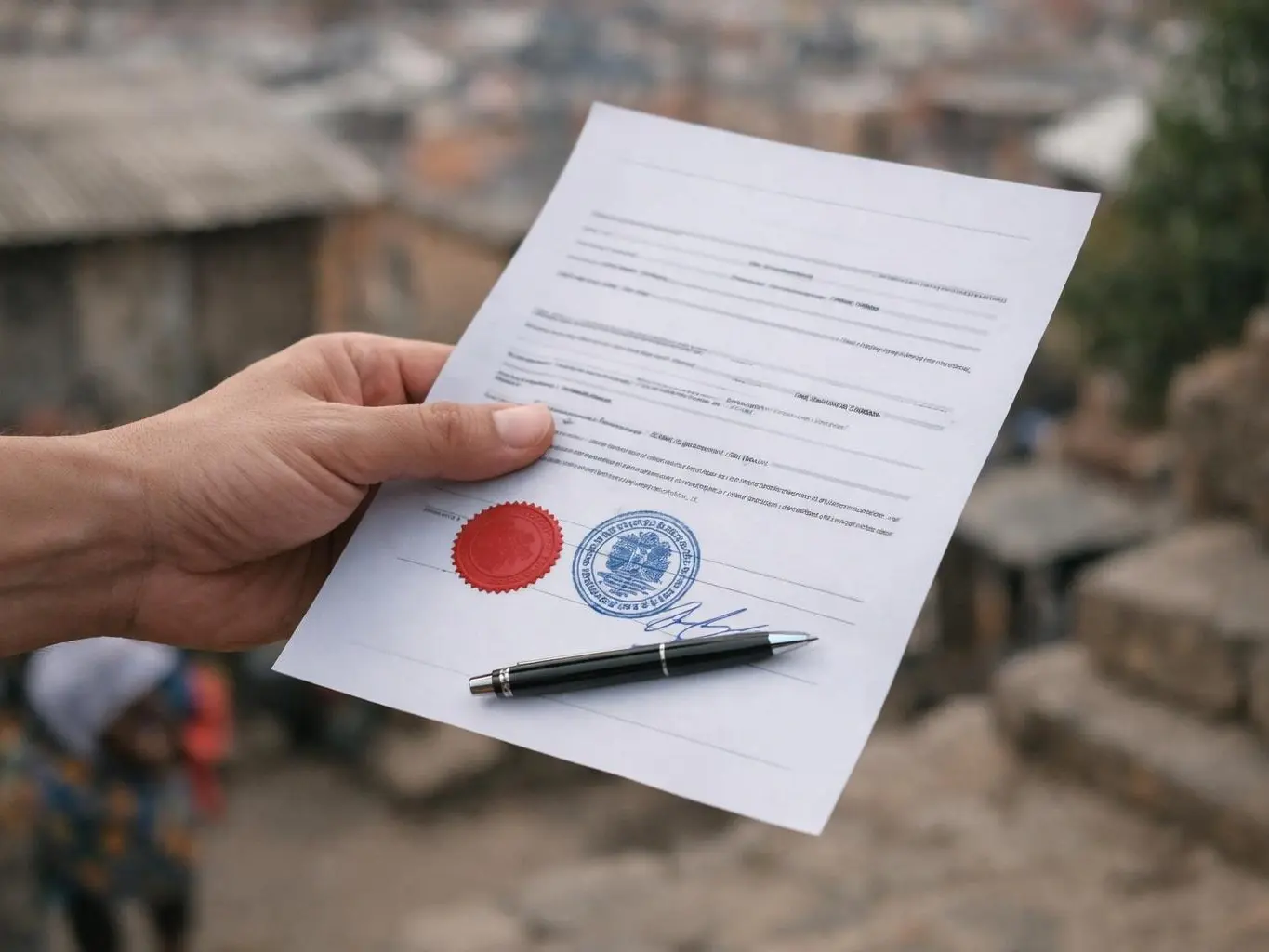
A location release is a paper the owner signs. It lets crews film on their land. The paper shows when, how. And what they can film. It may list pay.
Script breakdown is a step-by-step look at a film or video script. It finds and lists all items needed to make the film. This includes places, people, props, clothes, special effects. And sounds. The list helps plan costs, schedules. And resources before filming starts.
Permit coordinator is permit coordinators are professionals responsible for securing all necessary legal permissions, licenses. And approvals required for film, television. Or commercial productions. They ensure compliance with local, regional.
Documentary filmmaking is a non-fiction filmmaking process that captures real-life events, people, places. Or issues to educate, inform. Or raise awareness. Unlike fictional films, it relies on factual content, interviews, archival footage.
PRO FIXERS MADAGASCAR
Contact PRO FIXERS MADAGASCAR for practical guidance on Production assistant and related film production madagascar work in Madagascar.