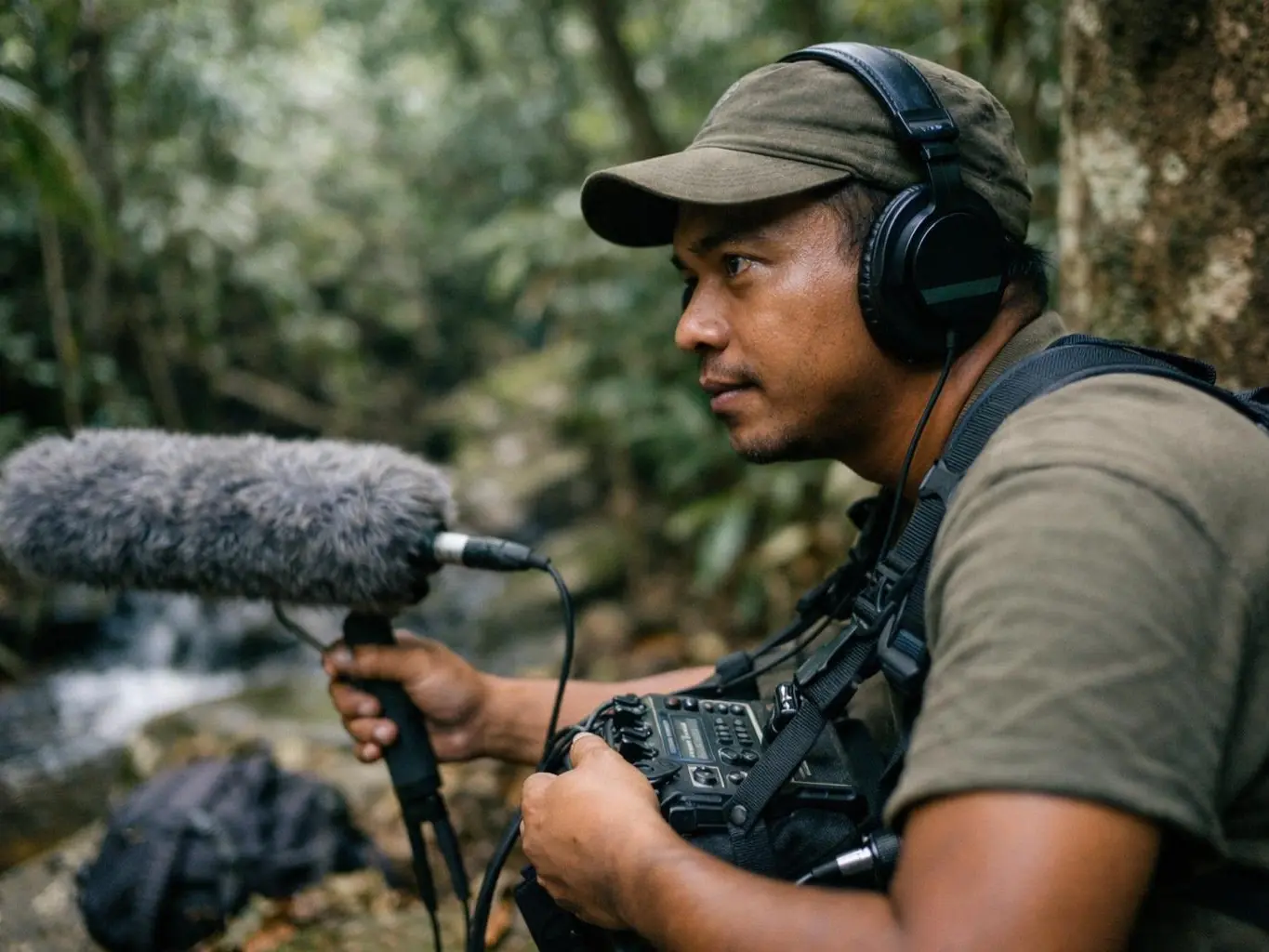
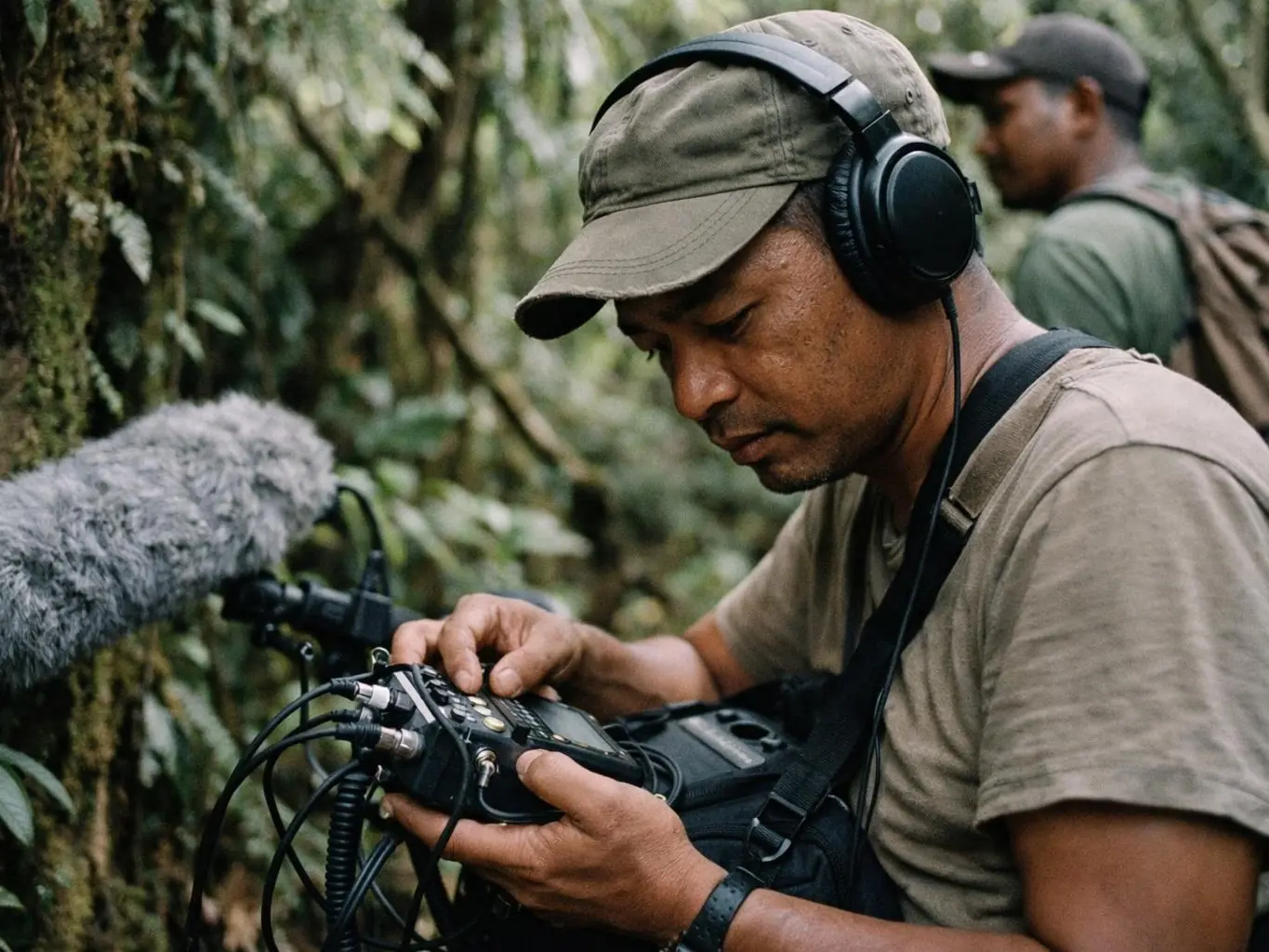
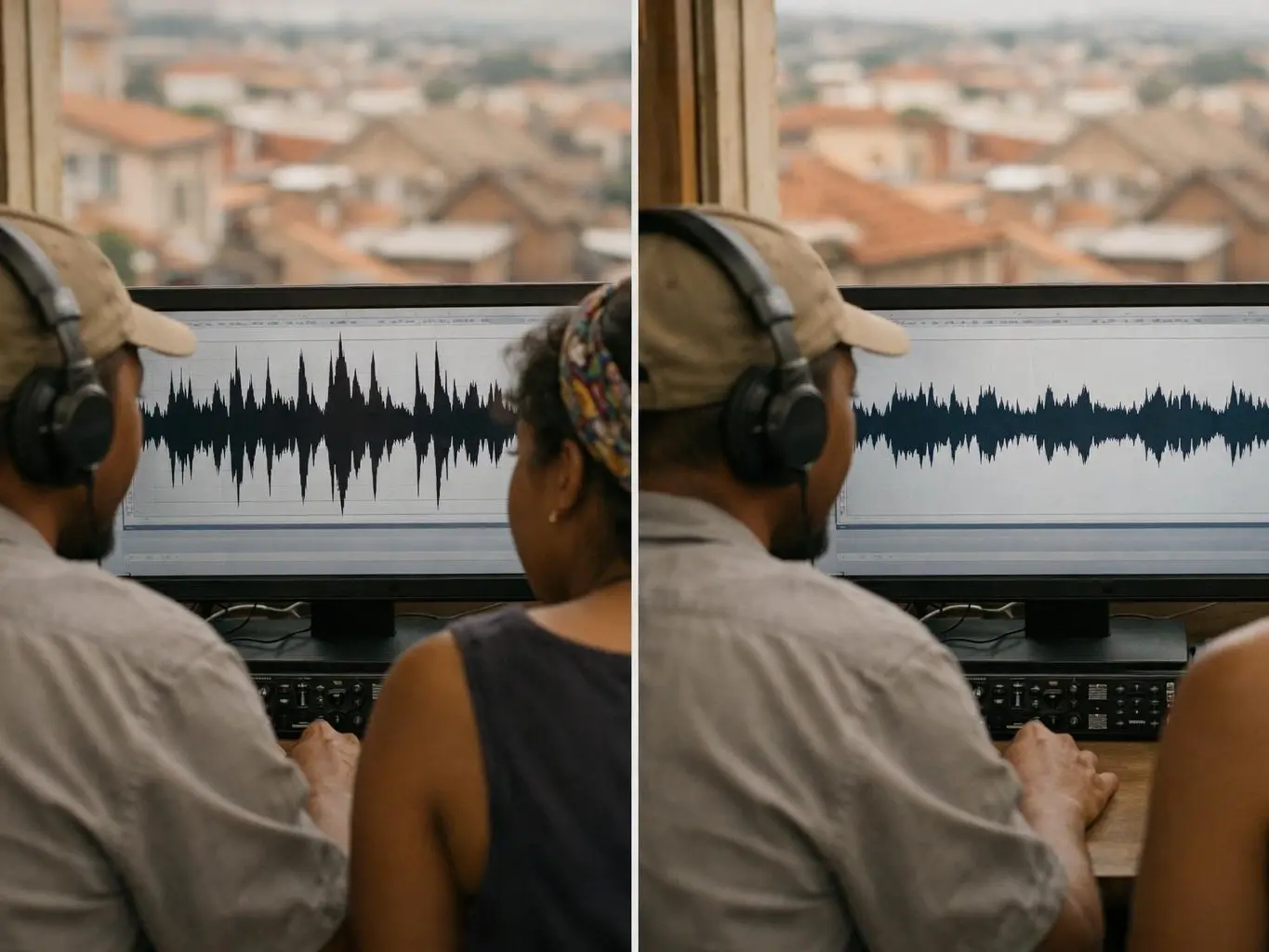
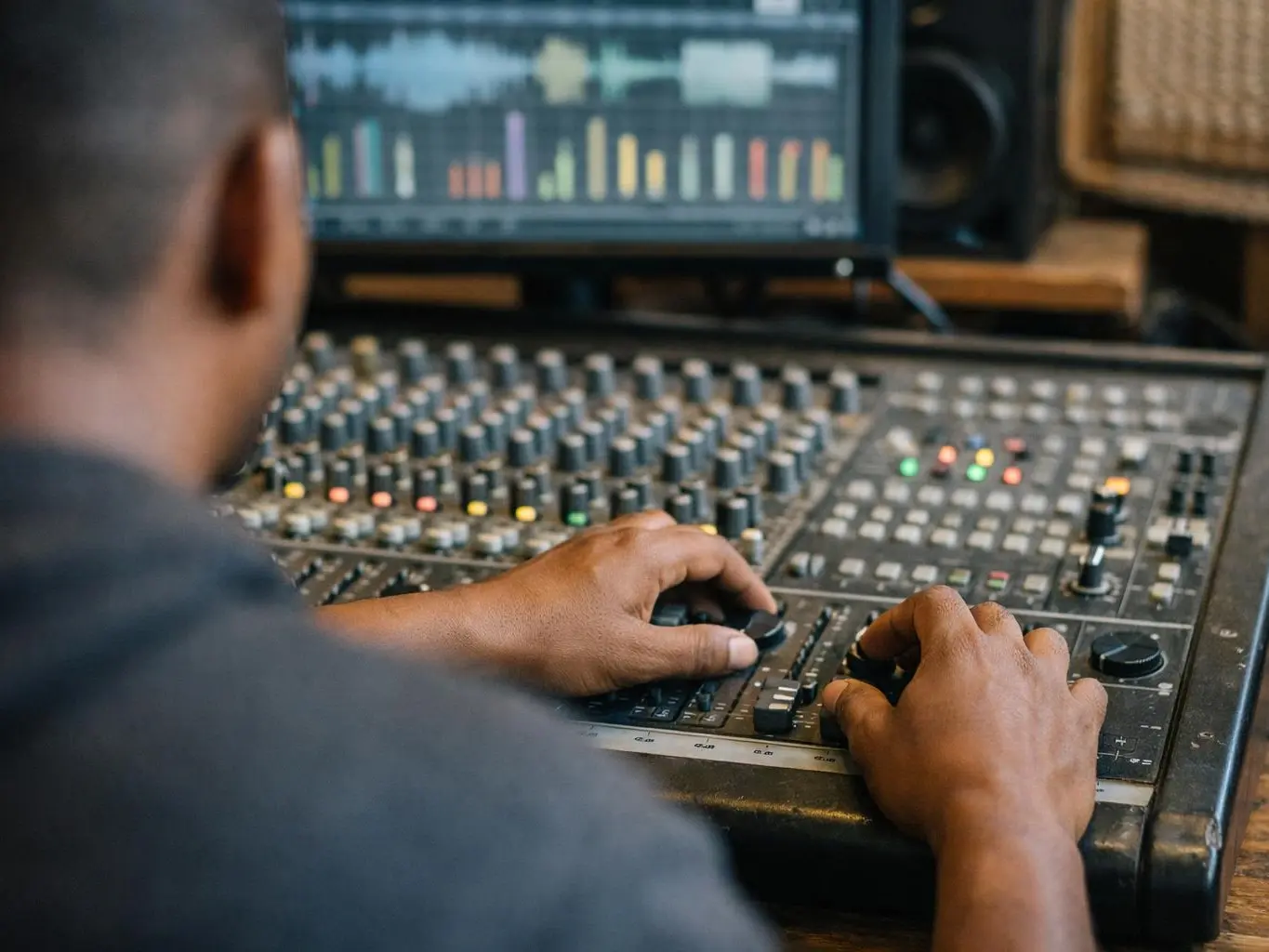
A field mixer is a small audio box. It mixes and records many mics at once. Sound crews use it on film sets. They change volumes and check sound live. This gives clean sound for movies or shows.
Category
Audio recording equipment
Used for
On-location sound mixing and recording
Common confusion
Often mistaken for audio interfaces, which are studio-based
Also called
Portable mixer, Location mixer
Often discussed with
Sound Recording Services
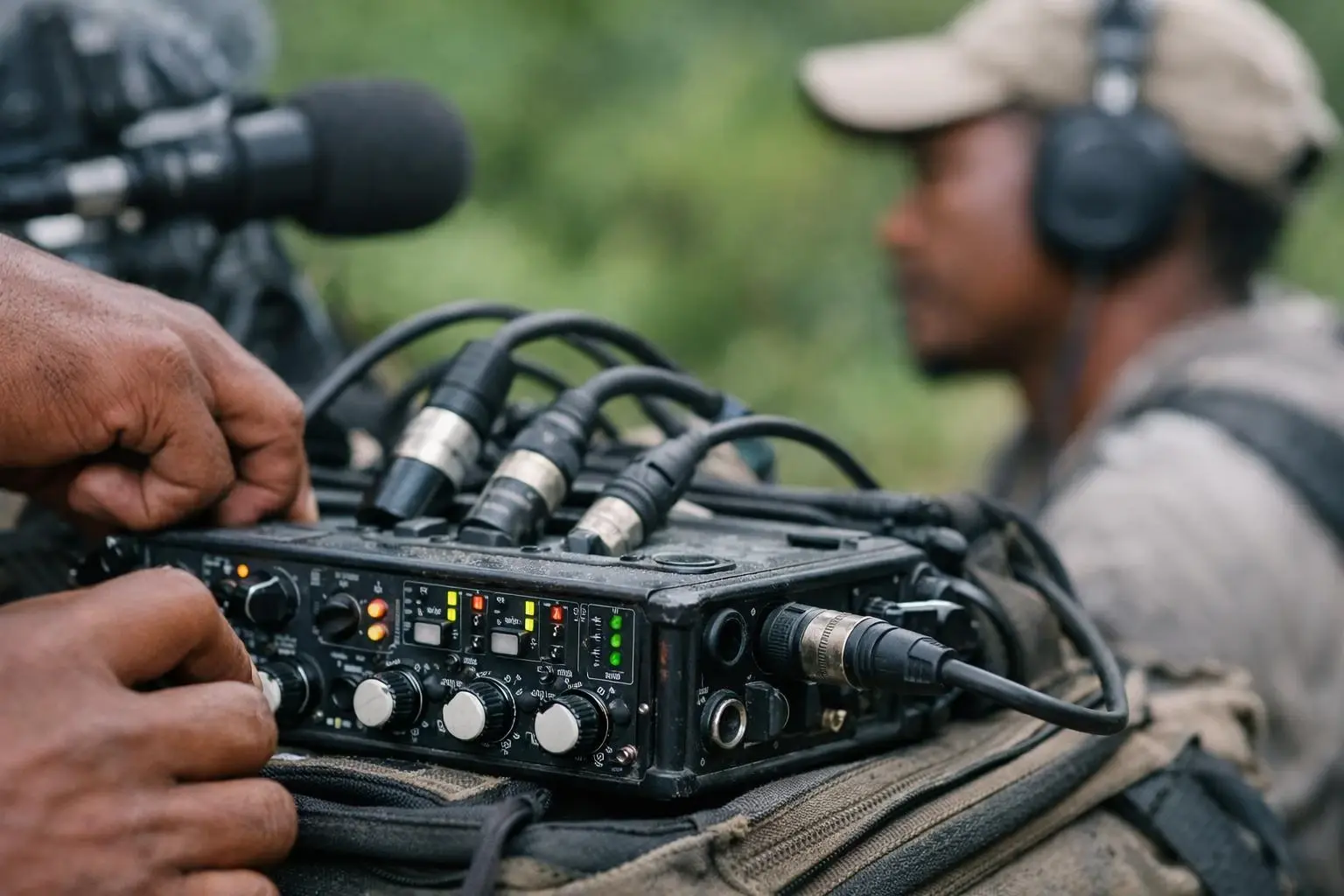
A field mixer is a compact, battery-powered audio device designed for use outside of a studio environment. Unlike studio mixers, field mixers are built to withstand the challenges of outdoor filming, including dust, humidity. And movement. They typically feature multiple input channels, allowing sound technicians to connect several microphones at once—such as lavalier mics for dialogue, boom mics for ambient sound. And wireless transmitters for mobility. The mixer’s primary role is to balance these signals, adjust their levels. And ensure consistent audio quality before sending the output to a camera or a dedicated audio recorder.
Related glossary terms: Lavalier microphone, Direct sound recording, Timecode.
Field mixers are a critical tool in professional film production because they provide flexibility and control over sound in unpredictable environments. In Madagascar, where filming often takes place in remote or acoustically challenging locations—such as dense forests, coastal areas. Or bustling markets—a field mixer helps mitigate issues like wind noise, background chatter. Or inconsistent microphone placement. Without one, audio recorded directly into a camera’s built-in microphone often lacks clarity, depth. Or the ability to isolate specific sounds, leading to costly post-production fixes.
Field mixers operate by receiving audio signals from microphones or wireless transmitters, amplifying them. And then combining them into a single or dual-channel output. Each input channel on a field mixer typically includes controls for gain (volume), high-pass filters (to reduce low-frequency rumble or wind noise). And pan (to position the sound in stereo). Some advanced models also offer phantom power, which is necessary for powering condenser microphones, as well as limiters to prevent audio distortion during sudden loud noises, like explosions or shouting.
The workflow for using a field mixer begins with connecting the microphones - whether wired or wireless - to the mixer’s input channels. The sound technician then monitors the audio through headphones, adjusting the gain on each channel to ensure a balanced mix. For example, dialogue from an actor wearing a lavalier microphone might need a higher gain setting than ambient sounds captured by a boom mic. The mixed output is then sent to a camera’s audio input or to a separate digital recorder, where it's stored alongside the video footage. Timecode synchronization is often used to align the audio and video tracks during post-production.
Many field mixers also include features like metering, which provides visual feedback on audio levels. And slate tones, which are brief audio signals used to mark the beginning of a take. These tools help simplify the editing process by making it easier to identify and synchronize clips. In Madagascar’s diverse filming environments, where weather conditions and background noise can vary dramatically, these features are invaluable for maintaining consistent audio quality.
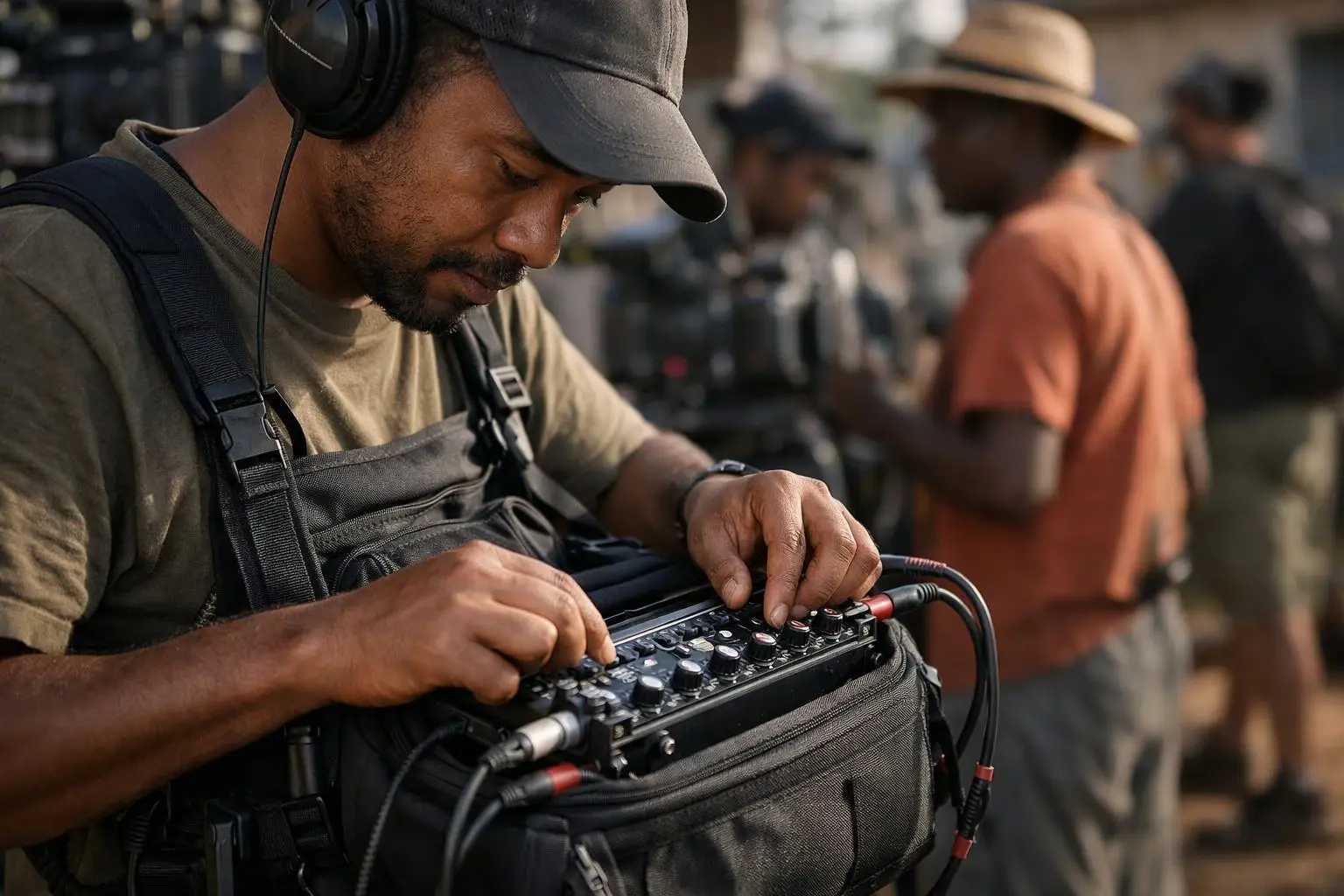
The quality of audio in a film or video production can significantly impact the viewer’s experience, often more than visual quality. Poor audio, such as muffled dialogue, background noise. Or inconsistent levels, can distract audiences and undermine the professionalism of a production. Field mixers address these challenges by giving sound technicians the tools to capture clean, balanced audio in real-time, reducing the need for costly and time-consuming fixes in post-production. For productions in Madagascar, where filming often takes place in locations with unique acoustic challenges, a field mixer is not just a convenience but a necessity for achieving broadcast-quality sound.
Beyond technical quality, field mixers also contribute to efficiency on set. By allowing technicians to monitor and adjust audio levels on the fly, they reduce the likelihood of retakes due to poor sound. This is particularly important for projects with tight schedules or limited budgets, where every minute of filming counts. In practice. And field mixers enable greater creative control over the audio scene of a scene. For example, a technician can emphasize the sound of waves crashing on a Madagascar beach or the rustling of leaves in a rainforest, adding depth and realism to the final product.
Field mixers are most critical in situations where audio can't be easily controlled or where multiple sound sources need to be captured simultaneously. This includes outdoor shoots, such as documentaries, nature films. Or travel productions, where background noise and environmental factors like wind or wildlife can interfere with sound quality. In Madagascar, where filming often takes place in remote or acoustically complex locations, such as national parks, rural villages. Or crowded urban markets, a field mixer ensures that dialogue and ambient sounds are captured clearly and consistently.
Field mixers are also essential for multi-camera shoots, interviews. Or scenes involving multiple actors, where each person may require their own microphone. For example, a documentary interviewing local community members in Madagascar might use lavalier microphones for each participant, with the field mixer balancing their voices to ensure clarity. Similarly, in narrative filmmaking, a field mixer allows the sound technician to adjust levels for actors speaking at different volumes or distances from the camera, ensuring that every line of dialogue is audible.
In practice, Another key scenario is live or near-live productions, such as news broadcasts or event coverage, where audio must be transmitted in real-time without the opportunity for post-production editing. In these cases, a field mixer’s ability to monitor and adjust levels on the fly is crucial for maintaining professional sound quality. Finally, field mixers are invaluable for productions with limited access to power sources, as their battery-operated design allows for hours of use in remote locations without reliable electricity.
Audio interfaces are designed for studio use and typically connect to computers. While field mixers are portable, battery-powered. And built for on-location recording.
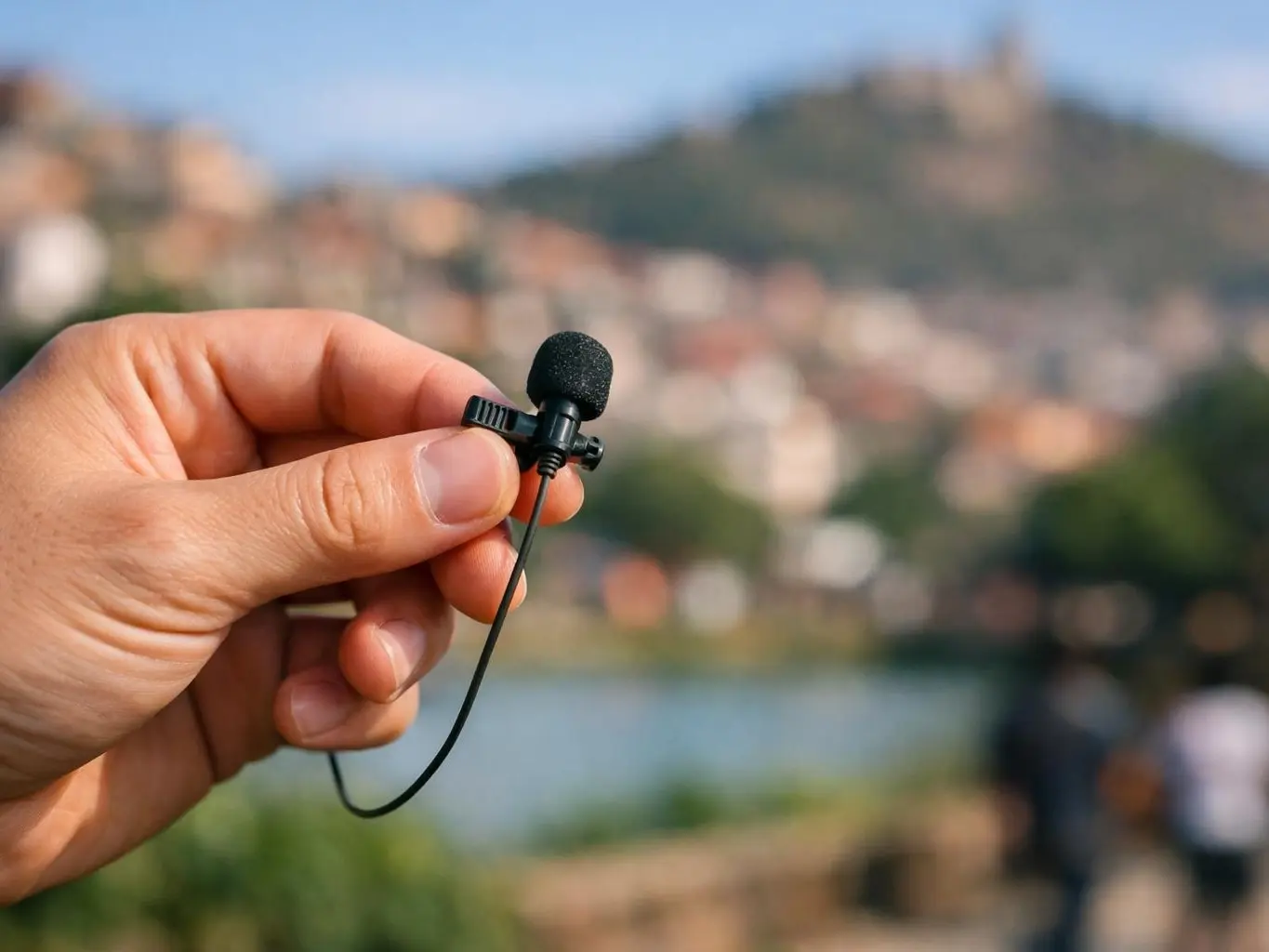
A lavalier microphone is a small, clip-on mic used to capture individual voices. While a field mixer combines and balances signals from multiple microphones, including lavaliers.
A boom microphone is mounted on a pole to capture sound from a distance. While a field mixer processes and records the audio signals from boom mics and other sources.
A high-quality field mixer can make the difference between usable audio and a production plagued by noise or distortion. In Madagascar’s humid and windy environments, features like robust build quality, reliable phantom power.
A crew filmed a nature show in Andasibe-Mantadia National Park. The sound tech mixed a boom mic and mics on hosts. Filters cut wind noise. Limiters stopped loud lemur calls from hurting sound. The mix gave clear audio for the edit.
A lavalier microphone is a small mic. It clips to clothes. It records clear sound from a speaker’s voice. It sits near the chest. It connects to wireless or wired devices. It is used in film, TV, interviews. And talks.
Direct sound recording grabs audio on set while filming. Mics and recorders catch live talk and sounds. This keeps the real sound clear. It cuts the need for later voice work.
Timecode is an electronic signal or digital metadata that assigns a unique numerical address to each frame of video or audio, formatted as hours:minutes:seconds:frames. Timecode enables precise synchronization of cameras, sound recorders.
Foley artist is foley artists are specialized sound professionals who create and record custom sound effects for films, television shows. And other media. Foley artists perform sounds synchronously with on-screen action—such as footsteps, rustling clothes.
Drone certification is a legal check. It shows a pilot can fly safely. Pilots take tests on rules and skills. They learn how to handle emergencies. This keeps people and places safe.
PRO FIXERS MADAGASCAR
Contact PRO FIXERS MADAGASCAR for practical guidance on Field mixer and related film production madagascar work in Madagascar.