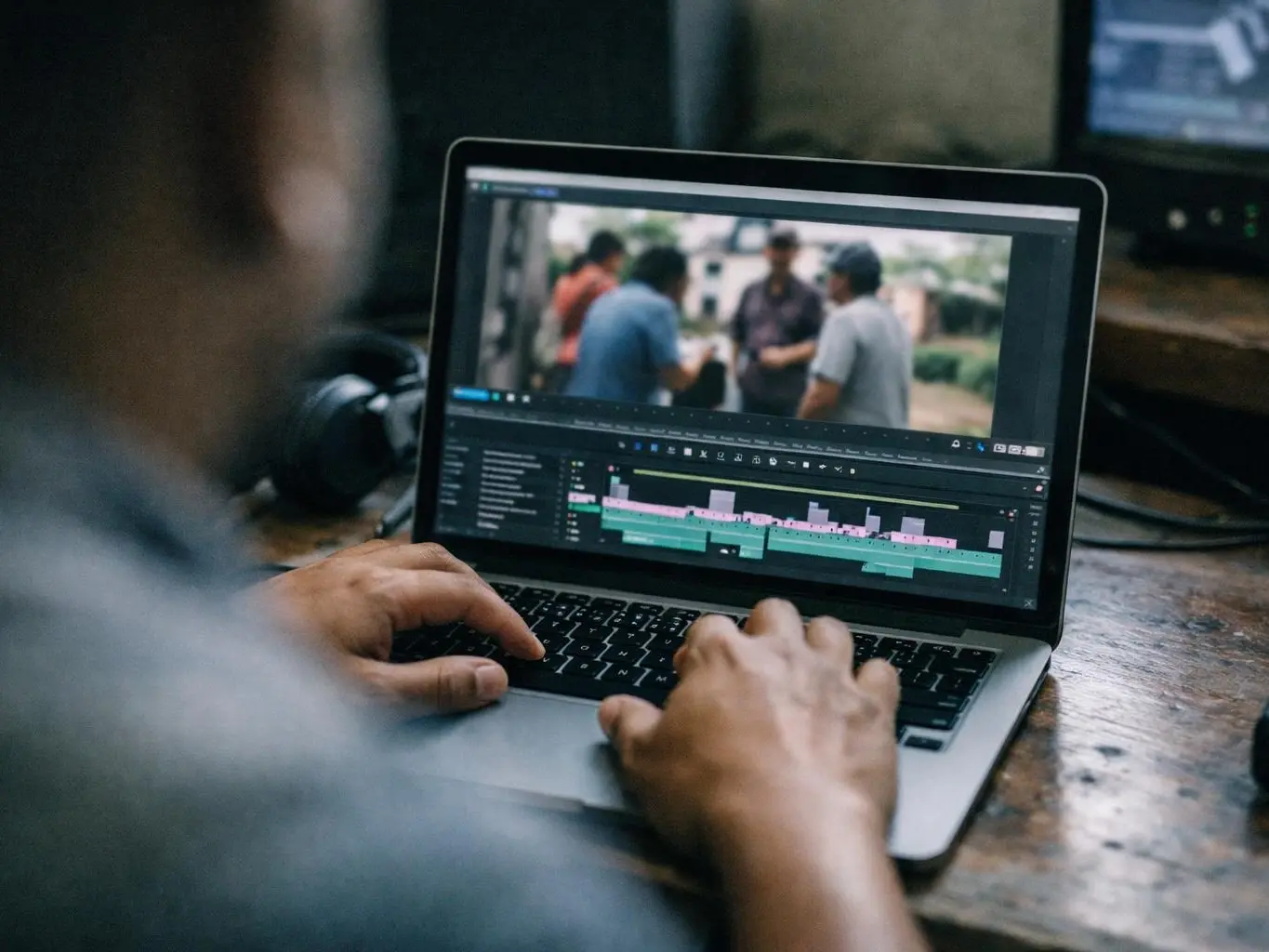
A lavalier microphone is a small mic. It clips to clothes. It records clear sound from a speaker’s voice. It sits near the chest. It connects to wireless or wired devices. It is used in film, TV, interviews. And talks.
Category
Wireless or wired clip-on microphone
Used for
Speech recording in film, TV. And live events
Common confusion
Often mistaken for headset microphones
Also called
lav mic, lapel mic
Often discussed with
Sound Recording Services

A lavalier microphone, often called a lav mic or lapel mic, is a compact microphone designed to pick up sound from a single speaker while remaining unobtrusive. Unlike handheld or boom microphones, lavalier microphones attach directly to clothing, typically near the chest or collar, allowing the speaker to move freely without holding a microphone. This makes them ideal for situations where visual aesthetics matter, such as interviews, documentaries. Or live broadcasts.
Related glossary terms: Direct sound recording, Field mixer, Documentary filmmaking.
Lavalier microphones come in both wired and wireless versions. Wired lavaliers connect directly to a recording device. While wireless systems use a small transmitter (often clipped to a belt or hidden in clothing) to send audio to a receiver. Wireless lavaliers offer greater mobility but may require additional setup and battery management. Both types are valued for their ability to capture consistent, high-quality audio without the need for a boom operator.
Lavalier microphones operate by converting sound waves into electrical signals, which are then transmitted to a recording device. The microphone’s small diaphragm vibrates in response to sound, creating an electrical current that mirrors the audio waveform. This signal is sent either through a cable or via a wireless transmitter to a receiver, which then passes the audio to a recorder, mixer. Or camera.
The placement of a lavalier microphone is critical to its performance. When clipped near the chest, the microphone captures the speaker’s voice clearly while minimizing interference from ambient noise. But improper placement—such as too far from the mouth or near rustling fabric—can result in muffled or inconsistent audio. Many lavaliers include foam windscreens or clips to reduce handling noise and improve sound quality.
For local customers, Wireless lavalier systems consist of three main components: the microphone, a transmitter (often the size of a small pack). And a receiver. The transmitter sends the audio signal to the receiver via radio frequencies, allowing the speaker to move freely within a certain range. Battery life, signal interference. And range are key considerations when using wireless lavaliers, especially in outdoor or crowded environments.
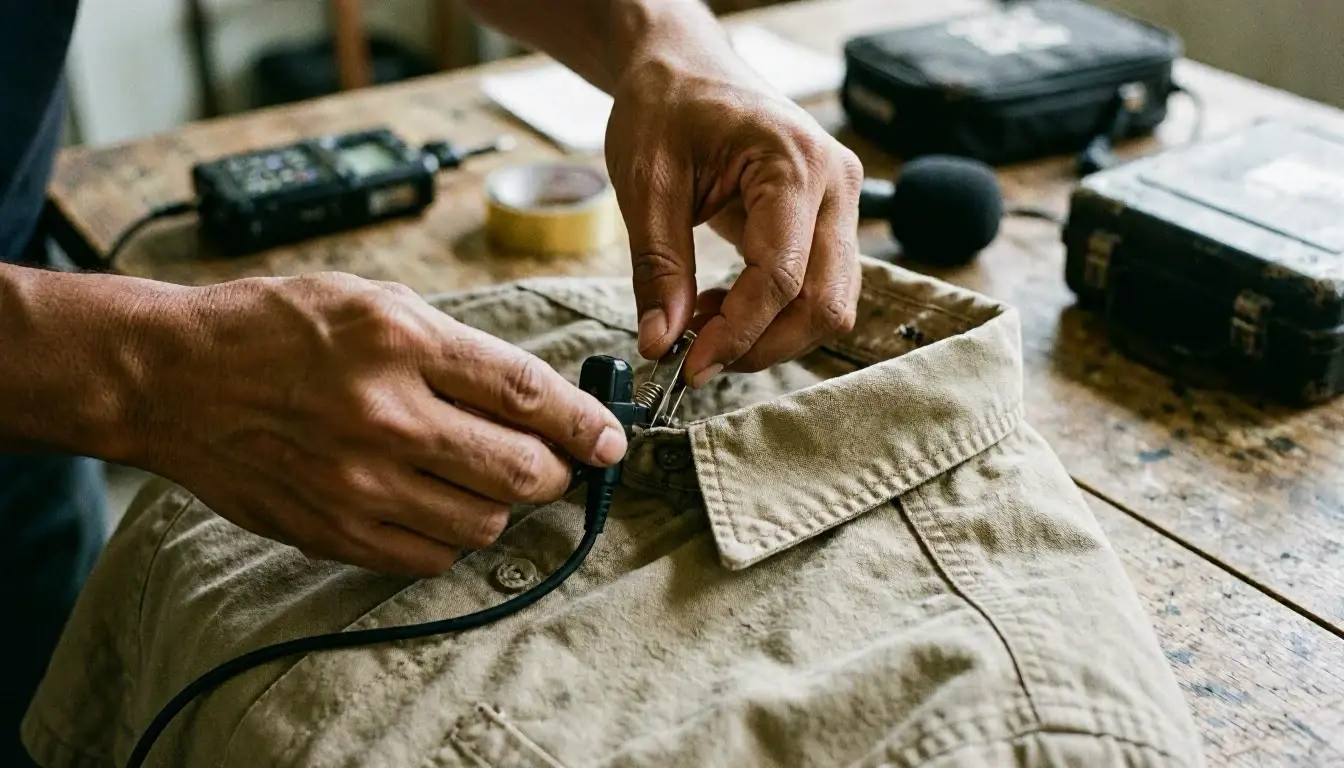
Lavalier microphones play a crucial role in productions where clear, consistent audio is essential but visibility of the microphone is undesirable. In film and television, they allow actors to deliver dialogue naturally without the distraction of a boom microphone hovering overhead. For interviews and documentaries, lavaliers provide a discreet way to capture a subject’s voice without drawing attention to the recording equipment, which can help subjects feel more at ease.
Beyond aesthetics, lavalier microphones improve audio quality by maintaining a consistent distance from the speaker’s mouth. This reduces fluctuations in volume and clarity that can occur with handheld or boom microphones, especially in dynamic environments. In live settings, such as conferences or presentations, lavaliers enable speakers to move freely while ensuring their voice remains audible to the audience or recording device.
Lavalier microphones are particularly valuable in situations where mobility, discretion. Or hands-free operation is required. In documentary filmmaking, for example, subjects may need to walk, gesture. Or interact with their environment while speaking. A lavalier microphone ensures their voice remains clear and intelligible, even as they move. Similarly, in corporate videos or training materials, presenters can focus on delivering content without worrying about holding a microphone or staying within range of a boom.
Outdoor shoots or noisy environments also benefit from lavalier microphones. Because they're placed close to the speaker’s mouth, lavaliers can isolate the subject’s voice from background noise, such as wind, traffic. Or crowds. But challenges like wind interference or signal dropout (in wireless models) may require additional accessories, such as windscreens or signal boosters, to maintain audio quality. Proper testing and sound checks are essential before recording begins to avoid issues during production.
In Madagascar, where diverse filming locations—from urban settings to remote natural landscapes, are common, lavalier microphones help ensure reliable audio capture in varying conditions. Their versatility makes them a staple in both studio and field productions, particularly for interviews, documentaries. And live events where clear, professional-grade sound is non-negotiable.
Boom microphones are mounted on a pole and positioned above or below the subject. While lavalier microphones clip directly to clothing for hands-free use.
Headset microphones wrap around the head and position the mic near the mouth, offering stability but less discretion compared to lavalier microphones.
While lavalier microphones excel in capturing clear speech, their small size makes them sensitive to placement. Always test audio levels and listen for fabric rustle before recording, especially in outdoor or high-movement scenes.
A filmmaker in Antananarivo used a wireless lavalier mic. It clipped to the artisan’s shirt. It caught the voice well. The artisan could work without noise from the market.
Direct sound recording grabs audio on set while filming. Mics and recorders catch live talk and sounds. This keeps the real sound clear. It cuts the need for later voice work.
A field mixer is a small audio box. It mixes and records many mics at once. Sound crews use it on film sets. They change volumes and check sound live. This gives clean sound for movies or shows.
Documentary filmmaking is a non-fiction filmmaking process that captures real-life events, people, places. Or issues to educate, inform. Or raise awareness. Unlike fictional films, it relies on factual content, interviews, archival footage.
Wildlife filming ethics is the set of moral principles and guidelines that govern how filmmakers interact with animals and their habitats during production. It ensures minimal disturbance to wildlife, prioritizes animal welfare, avoids misrepresentation.
PRO FIXERS MADAGASCAR
Contact PRO FIXERS MADAGASCAR for practical guidance on Lavalier microphone and related film production madagascar work in Madagascar.