Timecode is an electronic signal or digital metadata that assigns a unique numerical address to each frame of video or audio, formatted as hours:minutes:seconds:frames. Timecode enables precise synchronization of cameras, sound recorders.
Category
Post-production synchronization
Used for
Syncing video and audio in film/TV production
Common confusion
Timecode vs. Time-of-day clock (timecode is frame-based)
Also called
SMPTE timecode, TC
Often discussed with
Post production Video Editing Service, Sound Recording Services
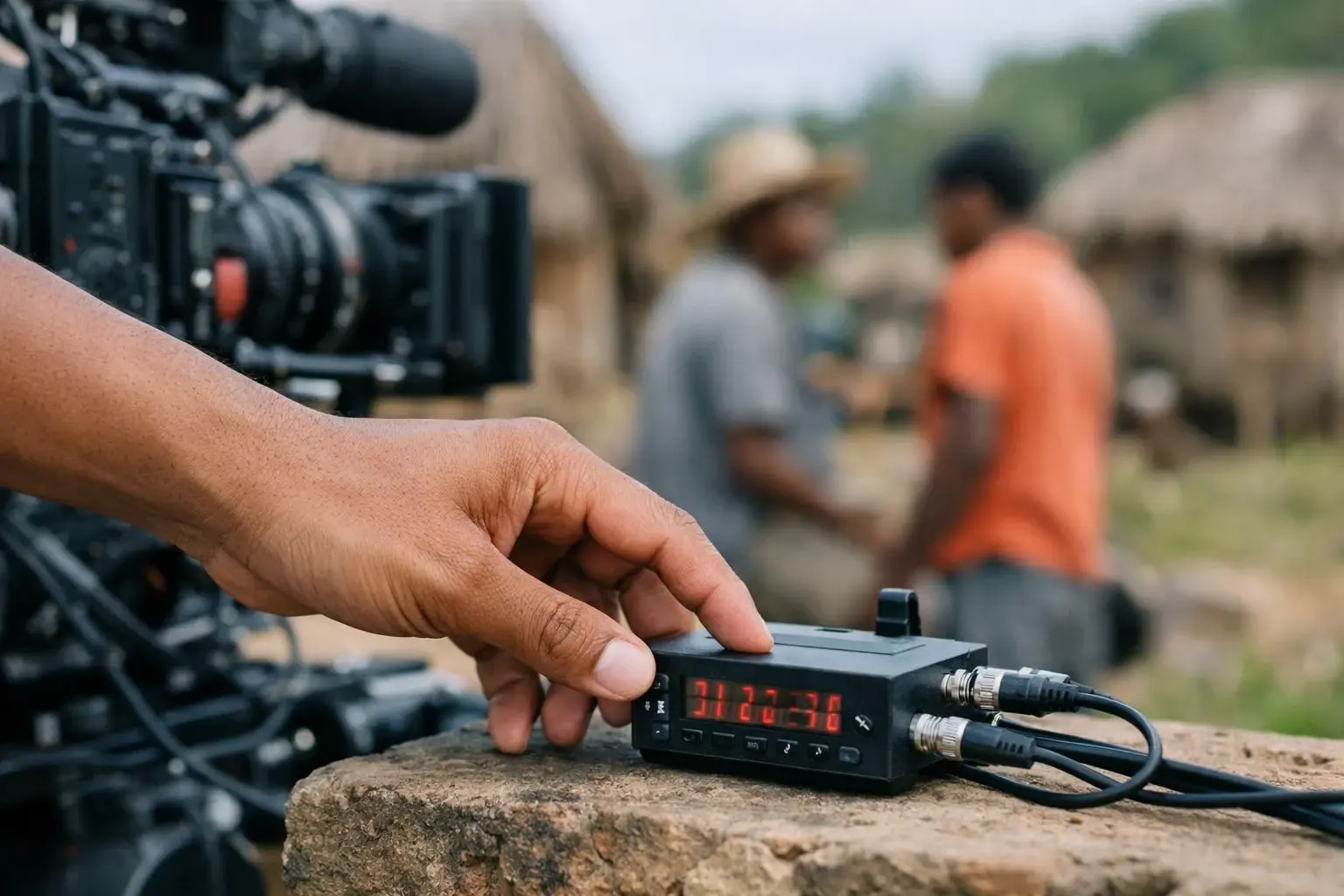
Timecode helps film and TV crews. It gives each video or audio frame a unique number. This number shows as hours:minutes:seconds:frames (HH:MM:SS:FF).
Related glossary terms: Direct sound recording, Post-production supervisor, B-roll.
Without timecode, matching footage from different cameras would take longer. It could also cause mistakes like bad audio or visual problems. Fixing these issues might mean costly reshoots.
SMPTE created timecode in the 1960s. They wanted a standard way to sync professional video gear. Before timecode, crews used manual claps or visual cues. These weren't reliable for big projects.
Today, timecode is in digital video files as metadata. It can also be sent as a signal between devices. This keeps everything in sync from start to finish.
Timecode counts frames at a set rate. Common speeds are 24, 25. Or 30 frames per second (fps). For example, 01:23:45:12 means 1 hour, 23 minutes, 45 seconds. And 12 frames.
This exact labeling lets editors match footage from many cameras or audio recorders. In editing, software reads the timecode to line up clips automatically. This saves hours of work.
There are two main types: linear timecode (LTC) and vertical interval timecode (VITC). LTC is an audio signal on a special track. It's often recorded on tape or sent between devices.
VITC is part of the video signal. It's readable even when the video is paused. Both types do the same job but fit different workflows. LTC is common in field work. While VITC is used in studios.
Drop-frame timecode is used in NTSC video. NTSC runs at 29.97 fps, not true 30 fps. Without adjustment, timecode would drift out of sync.
Drop-frame skips frame numbers at set times. This keeps timecode matching real time. It's key for live shows and long projects where timing must be perfect.

Timecode is key for modern film and TV. It helps teams work together smoothly. Cameras and sound recorders create timecode at the same time.
This lets editors match audio and video without guessing. It's very important for shoots with many cameras. Without timecode, editors would line up clips by hand.
That would raise the chance of mistakes and slow down work. In live shows like news or sports, timecode keeps many feeds in sync. It stops delays or mismatches.
A live broadcast might use timecode for cameras, graphics. And audio. Everything airs at the right moment. Timecode also helps with visual effects (VFX).
VFX artists need to match CGI with live-action frames. Accurate timecode makes sure their work fits smoothly into the final product.
Timecode matters most for projects with many cameras or complex audio. It's also key for long content. In documentaries, crews film over weeks or months.
They often record audio separately. Timecode makes sure interviews, b-roll. And sound sync during editing. This works even if shots were taken on different days.
In scripted TV or film, timecode helps match performances from many takes. This keeps continuity and saves time. Live events like concerts or sports also need timecode.
It coordinates cameras, replays. And graphics. Everything airs at the right time. Even small projects like corporate videos use timecode.
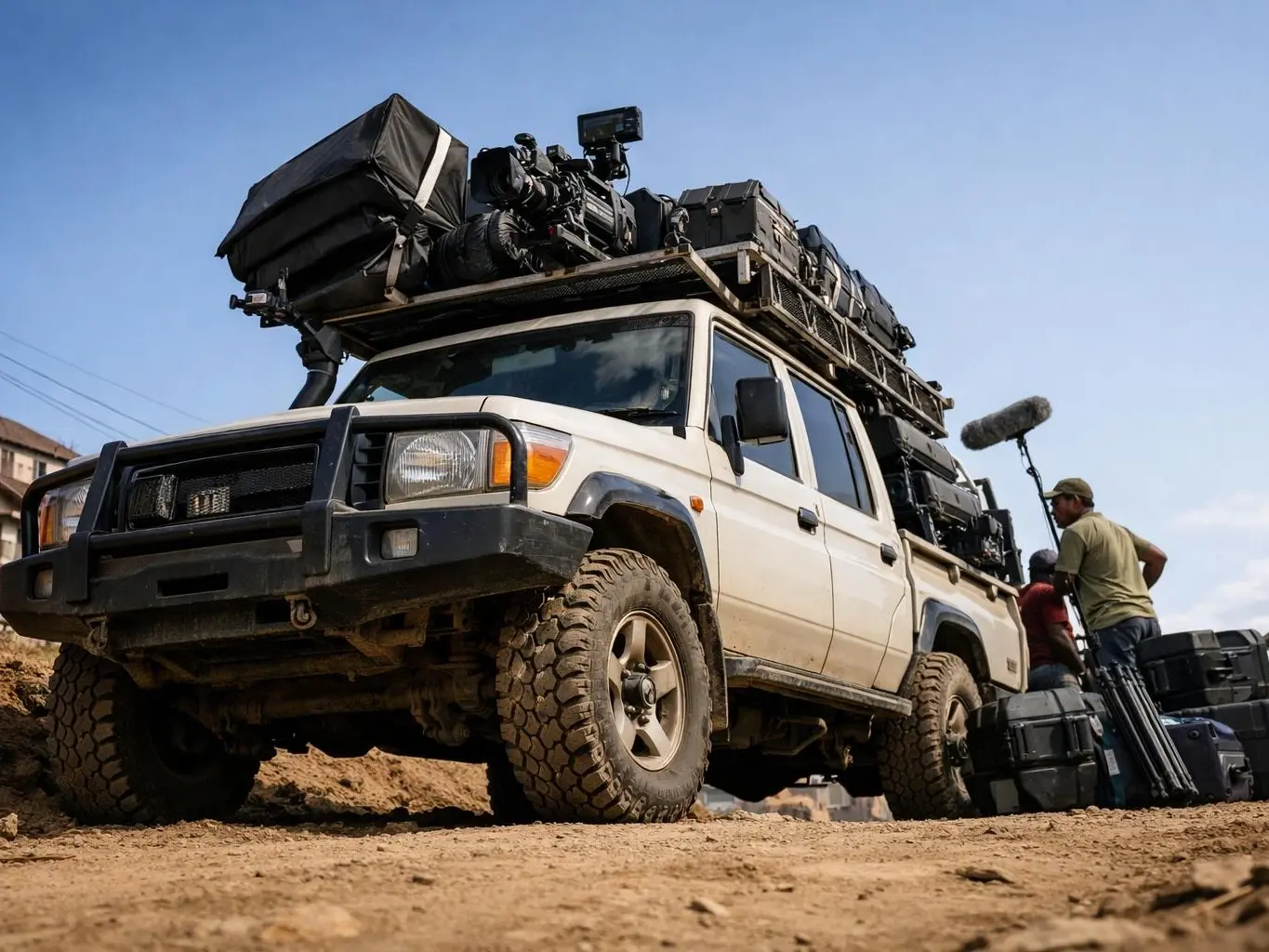
It makes editing easier by lining up footage and audio automatically. This cuts down on errors. In Madagascar, film crews often work in remote places.
They may have limited gear. Reliable timecode keeps devices in sync. It works for wildlife documentaries or commercials.
Timecode makes sure footage from tough locations fits smoothly into the final edit.
Genlock synchronizes the timing of video signals to prevent flicker or rolling. While timecode labels frames for synchronization in editing.
A time-of-day clock tracks real-world time. While timecode is a frame-based counter used for production synchronization.
While timecode is essential for synchronization, it’s not foolproof. Always double-check sync points in editing software, especially when working with multiple frame rates or drop-frame adjustments. A small error in timecode can lead to costly delays in post-production.
During a wildlife documentary shoot in Madagascar’s rainforests, a filmmaker records video on one camera and audio on a separate recorder. Both devices generate timecode at 25 fps. In post-production, the editor uses the timecode metadata to automatically align the footage and audio, ensuring that the sounds of lemurs match their movements on screen without manual adjustment.
Direct sound recording grabs audio on set while filming. Mics and recorders catch live talk and sounds. This keeps the real sound clear. It cuts the need for later voice work.
Post-production supervisor is a senior role responsible for overseeing all technical and creative stages after filming ends, including editing, sound design, visual effects, color grading. And final delivery. Post-production supervisors coordinate teams, manage budgets.
B-roll is supplementary footage intercut with the main shot (A-roll) in film and video production. B-roll visually supports the story, adds context, hides edits. And enhances engagement by showing details, locations, actions.
Documentary filmmaking is a non-fiction filmmaking process that captures real-life events, people, places. Or issues to educate, inform. Or raise awareness. Unlike fictional films, it relies on factual content, interviews, archival footage.
PRO FIXERS MADAGASCAR
Contact PRO FIXERS MADAGASCAR for practical guidance on Timecode and related film production madagascar work in Madagascar.