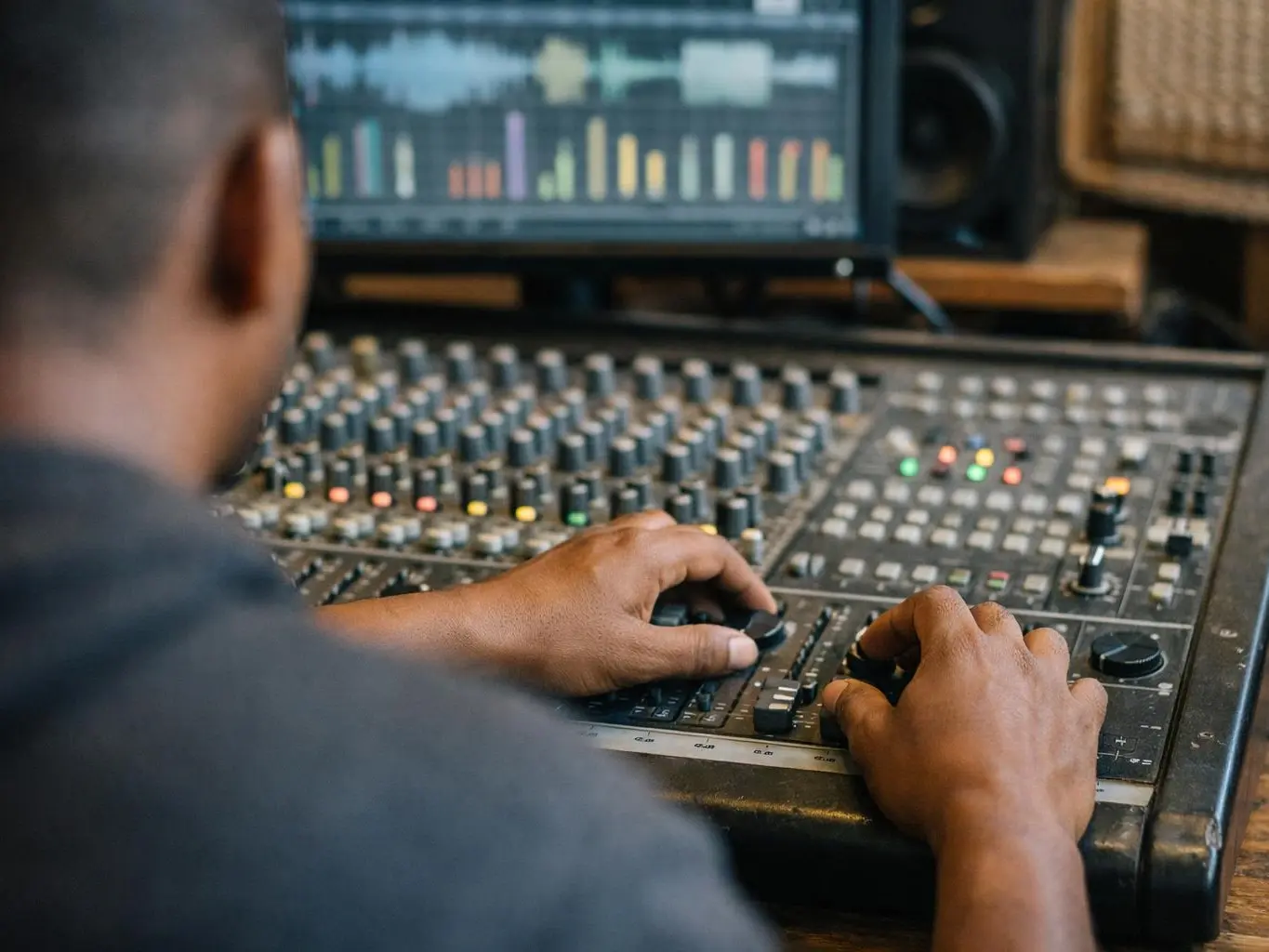
Gimbal is a motorized mechanical device designed to stabilize cameras, drones. Or other equipment by maintaining a steady, level orientation regardless of movement. Gimbals use sensors and brushless motors to counteract unwanted vibrations, tilts. Or shakes, allowing smooth footage even during dynamic shots like walking, running. Or vehicle mounts. They're essential tools in professional filmmaking, videography.
Category
Camera stabilizer
Used for
Smooth video footage during movement
Common confusion
Often mistaken for tripods or steady cams
Also called
Camera stabilizer, Motorized gimbal
Often discussed with
Drone Operator & Aerial filming, Filming Equipment rental
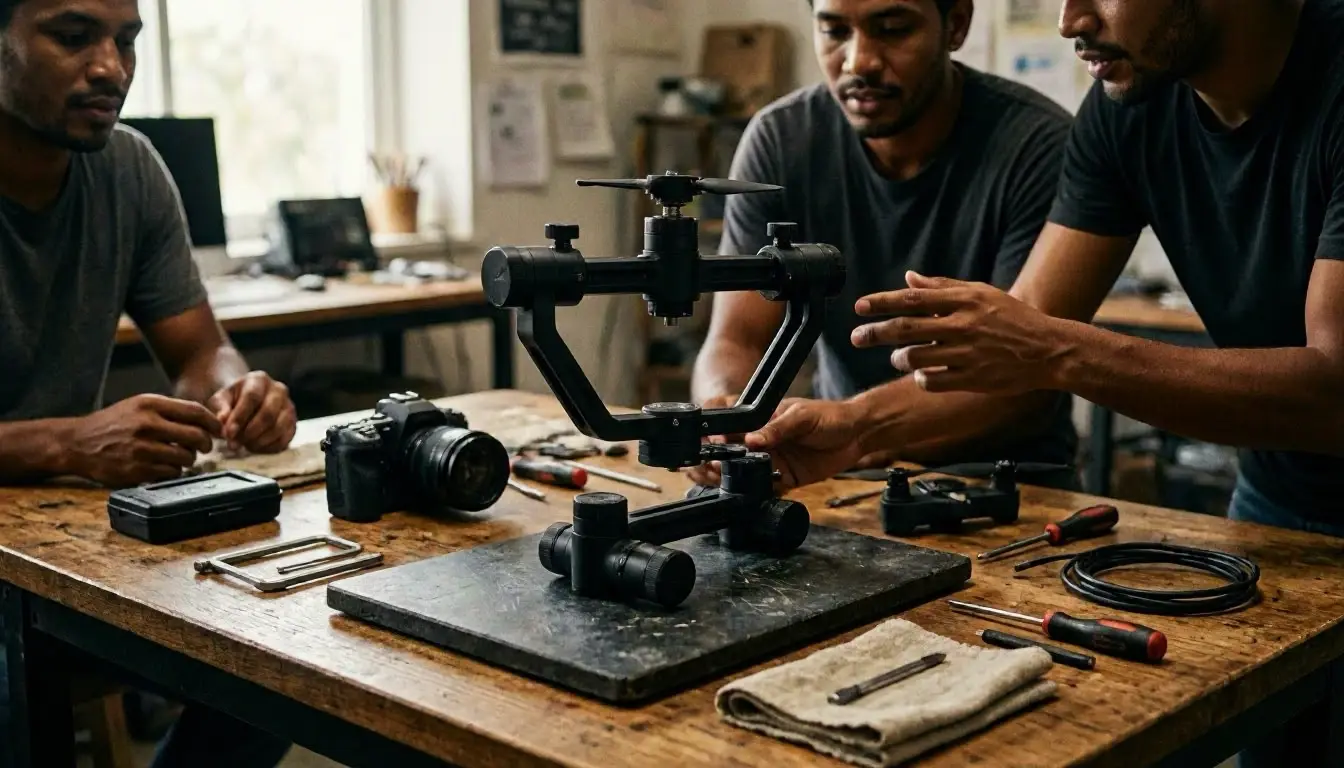
A gimbal keeps cameras level and steady. It does this even when the base moves around. Tripods and monopods can't do this since they stay in one spot.
Related glossary terms: Camera stabilizer, Aerial cinematography, Drone certification.
Gimbals use motors and sensors to adjust. They counteract motion so your shots stay smooth. This helps when you walk, run. Or film from a moving car.
Filmmakers use gimbals for professional videos. They're great for documentaries and drone shots too. You get cinematic-quality footage every time.
Gimbals come in many sizes. Small ones work for handheld cameras. Larger ones fit cinema cameras and drones. But they all work the same way.
Three axes work together to keep the camera stable. These are pan, tilt. And roll. This tech helps in bumpy places like boats or uneven ground.
Gimbals block outside shakes. This lets filmmakers focus on shots and stories. They don't have to worry about technical problems.
A gimbal uses sensors, motors. And a control system. Gyroscopes and accelerometers detect unwanted movement. They send this info to the gimbal's brain.
The control system figures out what to do. Then brushless motors make quick adjustments. They move along three axes: pan, tilt. And roll.
This all happens very fast. Your footage stays smooth even with quick moves. The gimbal reacts almost instantly to any shake.
You must balance a gimbal before using it. Adjust the camera so weight is even. If it's unbalanced, motors work too hard.
This can kill your battery fast. It also makes footage less stable. Most gimbals come with tools to help you balance.
Modern gimbals have special modes. Follow mode lets the camera move with you. Lock mode keeps it fixed in one direction.
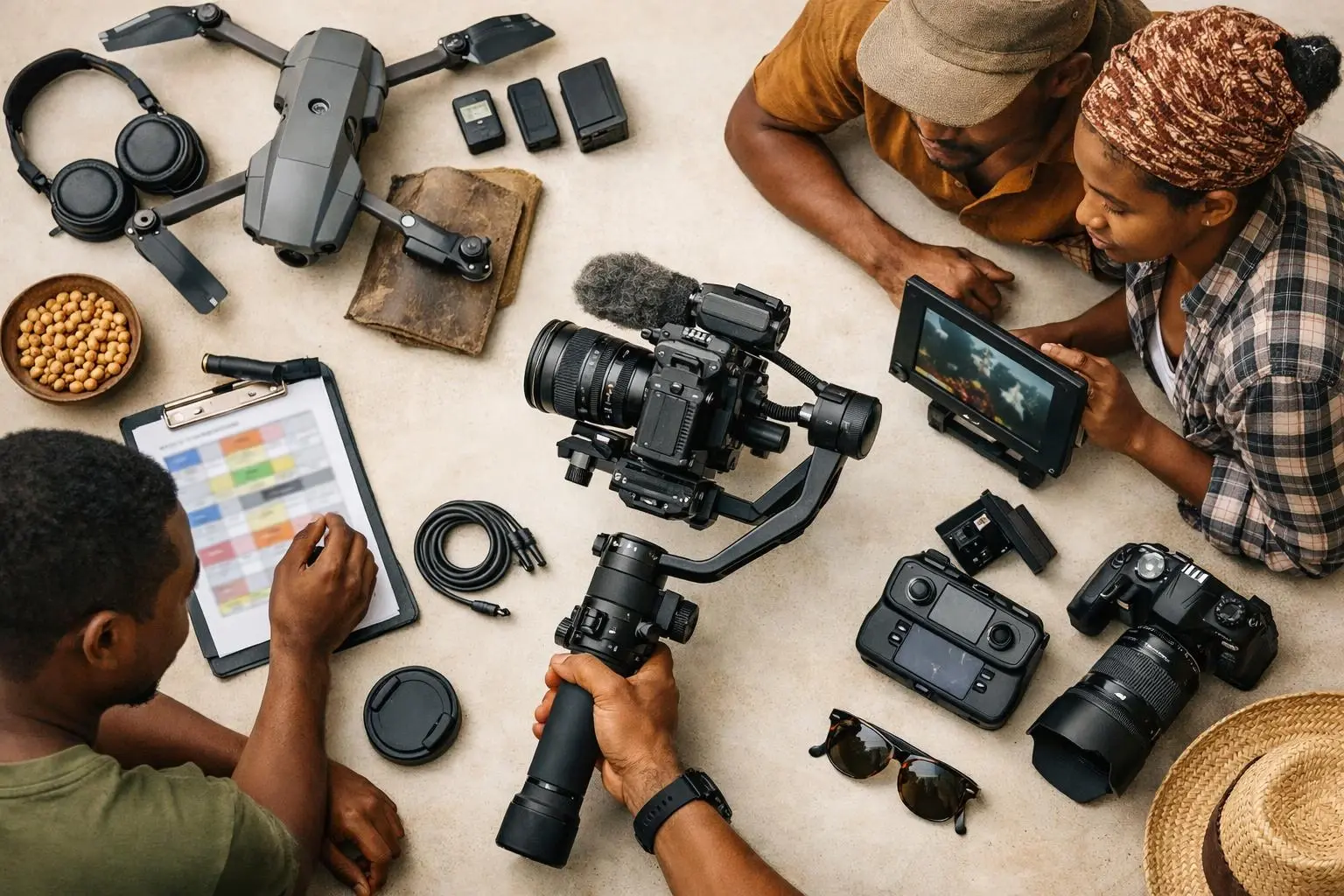
Gimbals help filmmakers get smooth, pro footage. You don't need expensive dollies or cranes. And you won't have to fix shaky shots later.
This gives you more creative freedom. You can shoot moving scenes without losing quality. Smooth footage helps tell better stories too.
Shaky video can distract viewers. It can even ruin your message. Gimbals cut down on editing time and costs as well.
Gimbals make sets run smoother. You can move fast and adapt quickly. No need to reset gear between shots.
This is great for documentaries or live events. Gimbals are light and easy to carry. They're perfect for location shoots where space is tight.
Their versatility makes them a smart buy. Both indie creators and pro teams love them. They're useful for many types of projects.
Gimbals shine when you need movement but steady shots. They're perfect for action scenes, documentaries. And travel videos. You can follow subjects smoothly.
Drones with gimbals capture amazing aerial shots. They film landscapes or chase scenes without shakes. The gimbal keeps the camera steady as the drone moves.
Gimbals also help in low light. Even small shakes can ruin these shots. The gimbal lets you use slower shutter speeds without blur.
This is great for night scenes or indoor shoots. Live broadcasts use gimbals too. Sports and news coverage need smooth, real-time footage.
Gimbals are more reliable than manual methods. They're also easier to use. You won't get inconsistent or tiring results.
A Steadicam is a mechanical stabilizer worn by an operator, relying on counterweights and manual balance. While a gimbal uses motors and sensors for active stabilization.
A tripod provides a fixed, stable base for stationary shots, whereas a gimbal actively stabilizes the camera during movement.
A drone stabilizer is a specific type of gimbal designed to stabilize cameras mounted on drones, often with additional features for aerial filming.
Gimbals excel in dynamic environments but require practice to master. Even small errors in balance or calibration can lead to motor strain or uneven footage. Always test your setup before critical shoots to ensure smooth performance.
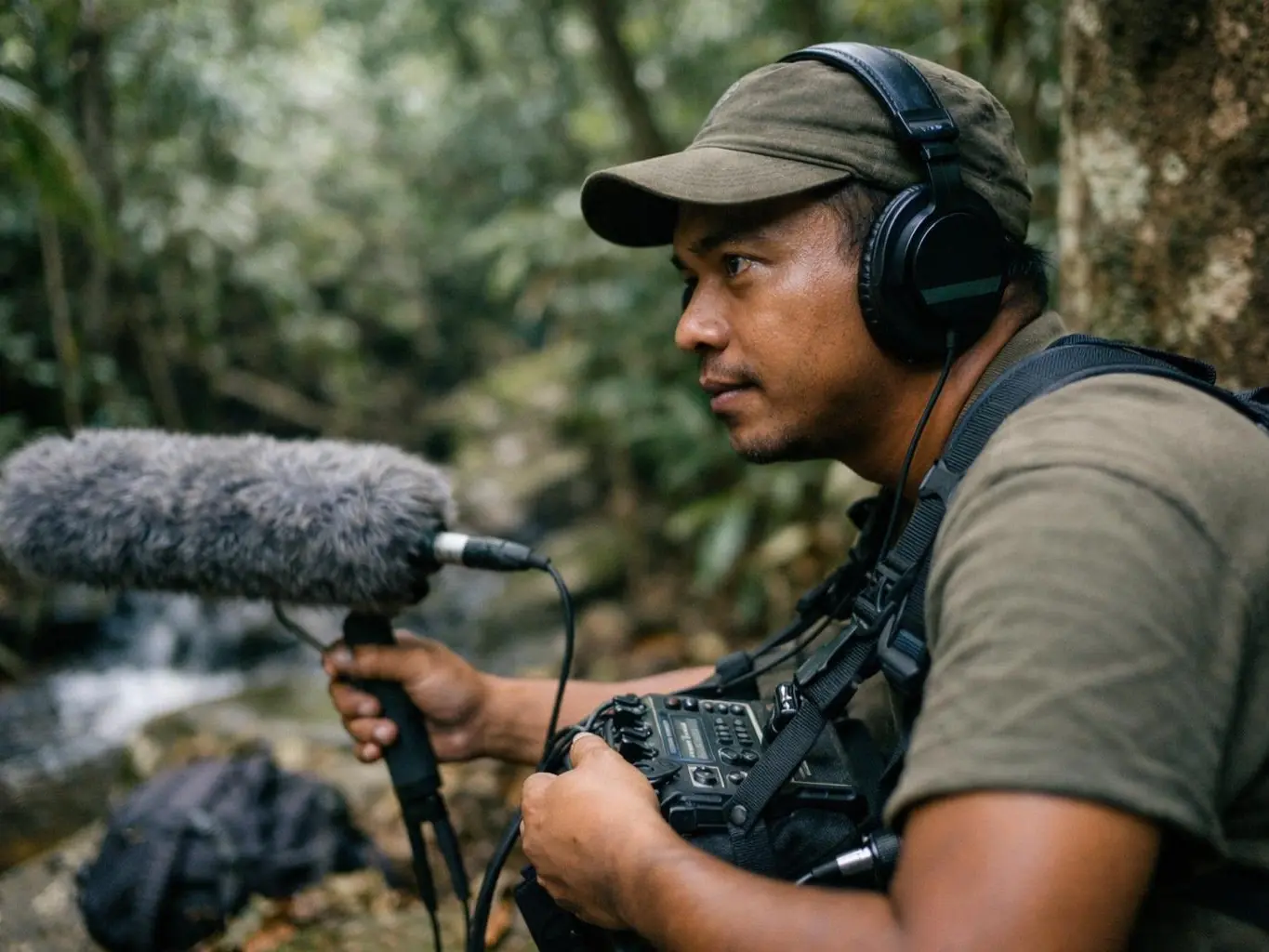
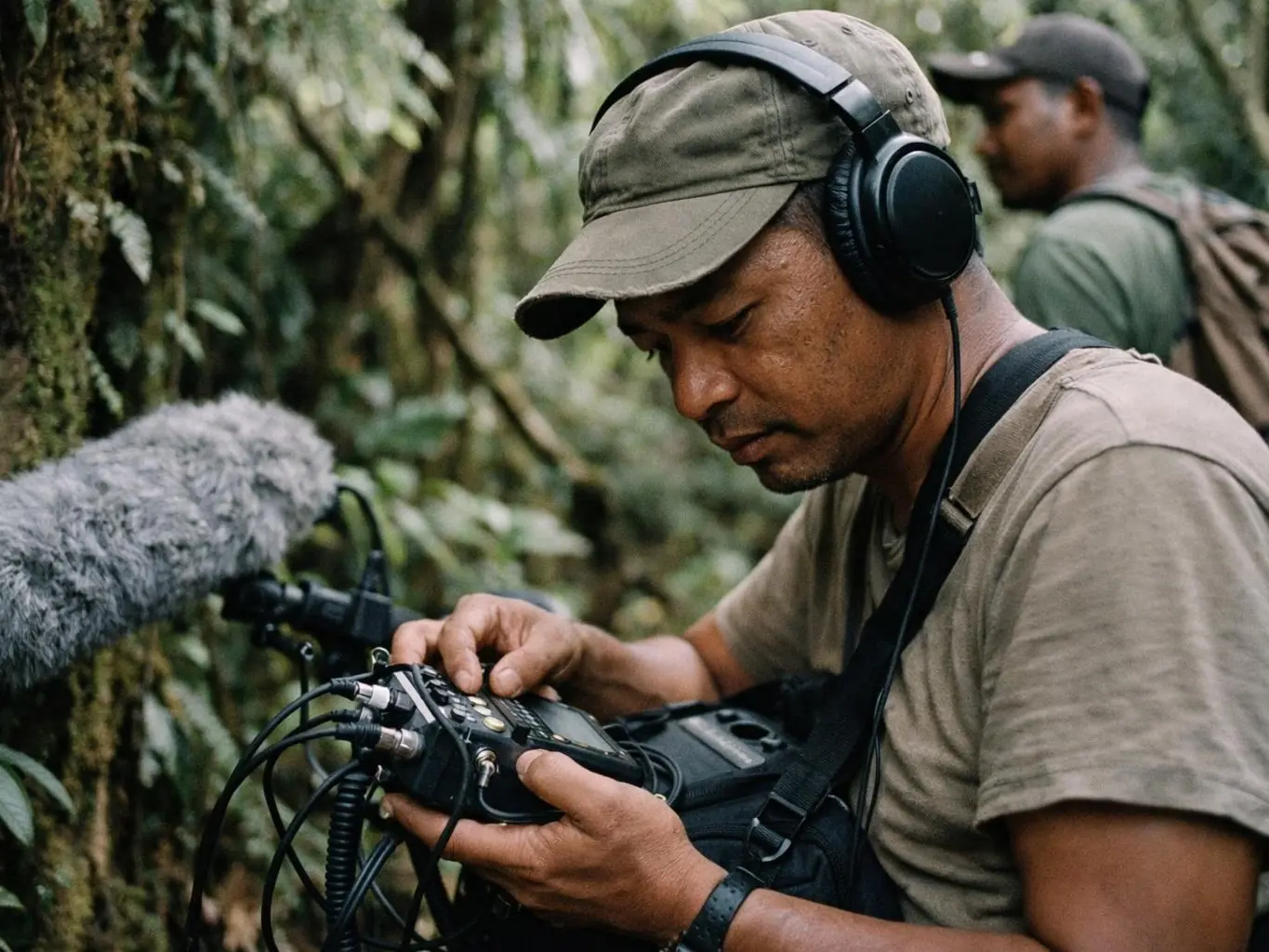
During a wildlife documentary shoot in Madagascar’s rainforests, a filmmaker used a handheld gimbal to follow lemurs through dense foliage. The gimbal’s stabilization allowed smooth footage despite uneven terrain and rapid movements, resulting in professional-quality shots that would have been impossible with a handheld camera alone.
A camera stabilizer cuts shakes and bumps while filming. It keeps video smooth. This helps when you walk, run. Or ride. The shots stay steady even in rough places.
Aerial cinematography is the practice of capturing moving images from elevated perspectives using aircraft, drones. Or other airborne platforms. It involves specialized cameras, stabilization systems. And skilled operators to film scenes that ground-based equipment can't reach, such as sweeping landscapes, dynamic action sequences. Or large-scale events. This technique enhances visual storytelling by providing unique angles and immersive views.
Drone certification is a legal check. It shows a pilot can fly safely. Pilots take tests on rules and skills. They learn how to handle emergencies. This keeps people and places safe.
B-roll is supplementary footage intercut with the main shot (A-roll) in film and video production. B-roll visually supports the story, adds context, hides edits. And enhances engagement by showing details, locations, actions.
Cinematographer is the creative and technical professional responsible for capturing a film’s visual style through camera work, lighting. And shot composition. Cinematographers collaborate with directors to translate scripts into compelling images, ensuring each frame supports the story’s mood, tone. And narrative. Their decisions influence color, movement, depth.
PRO FIXERS MADAGASCAR
Contact PRO FIXERS MADAGASCAR for practical guidance on Gimbal and related film production madagascar work in Madagascar.